Equine gastric ulcer syndrome (EGUS) is a major equine health problem worldwide. Multiple studies have reported an incidence of ulcers in performance horses in excess of 90% of horses training.
Ulcers negatively – and sometimes severely – affect a horse’s ability to perform. They cause pain and discomfort. They may reduce a horse’s appetite which in turn limits its capacity to maintain bodyweight. Gastric ulcers can also possibly lead to the development of vices including windsucking and crib biting.
While gastric ulcers in horses have long been recognised as a major health concern, there is an evident lack of understanding in the horse community about what causes them and how they can be prevented.
Continue reading to find out a little bit more about what gastric ulcers are, how your horse’s stomach functions, and a few little things you can do that will dramatically reduce the risk of your horse’s stomach developing this painful condition.
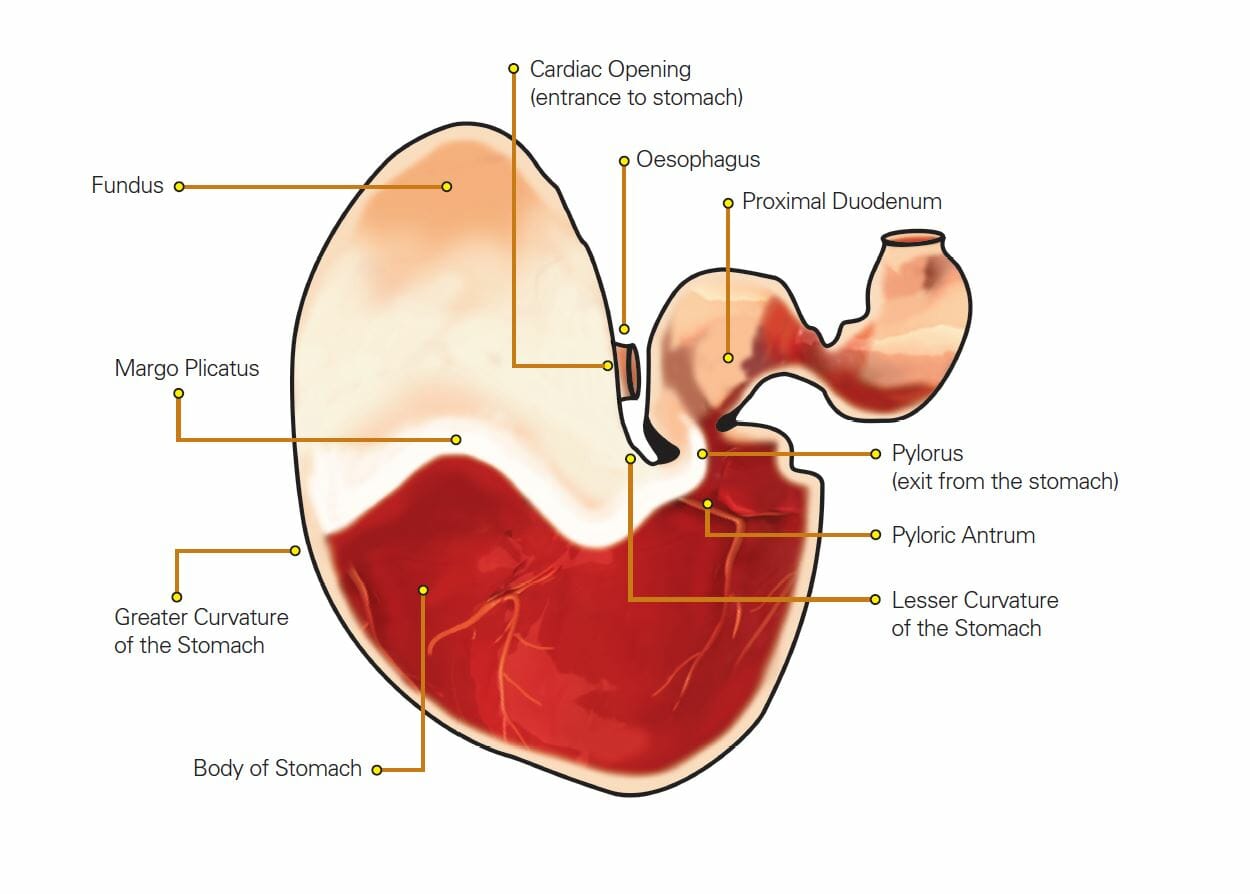
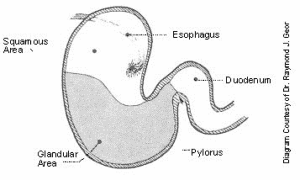
Gastric ulcers are lesions that are found in the stomach of horses. The horse’s stomach is made up of 2 major regions, the upper ‘squamous’ area and the lower ‘glandular’ area. Gastric ulcers are categorised by their location in the stomach being either squamous gastric ulcers or glandular gastric ulcers – these are two distinct diseases with different risk factors.
The horse evolved as a grazing animal and, when left to their own devices, will eat for 17 hours or more per day. This means they are constantly chewing and salivating, and their stomach is always full. Because of this pattern of eating, their stomach never developed an on-off-switch for gastric acid production. The equine stomach secretes gastric acid 24-hours a day, regardless of whether they are actually eating or not.
When you think about this from the perspective of our modern-day horses, it is not an ideal situation. Many horses are now stabled with limited access to free choice forage, or they work, compete, and travel, leaving them in situations where they go for extended periods of time without feed.
When a horse eats it produces saliva and one of saliva’s roles is to buffer the gastric acid in the stomach. So, when they aren’t eating, they aren’t salivating. BUT they are still secreting gastric acid. This results in a pool of unbuffered (and therefore very acidic) gastric fluid accumulating in the lower section of the horse’s now empty stomach.
The lower part of the horse’s stomach was smart enough to protect itself from gastric acids, and, provided it is well-nourished, is able to produce enough sticky mucous to protect itself from its own acid secretions. BUT, the upper part of the stomach doesn’t have this same protection. In a grazing horse, the stomach is always full, so the top of the stomach was never exposed to gastric acid simply because the forage a horse ate stopped the acid from ever splashing up there. However, in modern-day, meal-fed horses, the stomach is often empty and the upper section of the stomach is left totally exposed to the highly acidic fluids that are allowed to accumulate in empty stomachs.
When a horse with an empty stomach trots, canters, gallops, or even simply tenses up its abdominal muscles the gastric fluids are splashed or squeezed up onto the unprotected upper section of the stomach. Simply put, the acid starts to burn holes in the stomach wall lining. If you allow this to occur repeatedly, the horse will eventually develop ulcers. This can happen in just a matter of days.
The following situations have been identified as factors that can influence the risk of squamous gastric ulcers:
Some feeding management practices that may help reduce the incidence of squamous ulcers are:
The following situations have been identified as potential risk factors for glandular ulcers:
Diet does not appear to a key risk factor but does form part of the management of horses at risk of glandular ulcers. One study looking at the effect of diet composition on glandular ulcers does support this (Julliand et al., 2023). Some of the key findings of this study were:
Some feeding management practices that may help reduce the incidence and severity of glandular ulcers are:
In the above-mentioned study, horses receiving approximately 5-6kg of grain concentrate per day transitioned to a diet of approximately 3kg grain concentrate and 2.8kg of alfalfa pellets per day. As a guide, inclusion of 2-2.5kg of alfalfa (lucerne) pellets or alike to feeds may be beneficial.
While one study has shown that feeding lucerne hay can reduce the severity of ulcers already present in horses and long periods of pasture turnout will sometimes allow a horse to resolve gastric ulcer issues, if your horse already has gastric ulcers, treating them with veterinary prescribed medication is important for a quick resolution. Talk to your veterinarian about the best treatment regime for your horse.
Gastric ulcers are a serious and common health problem in horses that will affect their overall wellbeing and performance. While we still don’t have a full understanding of how and why they occur with such a high incidence, using the feeding and management strategies outlined above will help to reduce your horse’s risk of developing gastric ulceration.
Image provided by RandLab (https://www.randlab.com.au)

We would love to welcome you to our FeedXL Horse Nutrition Facebook Group. Ask questions and have them answered by PhD and Masters qualified equine nutritionists and spend time with like-minded horse owners. It’s free!
Click here to join the FeedXL Horse Nutrition Facebook Group
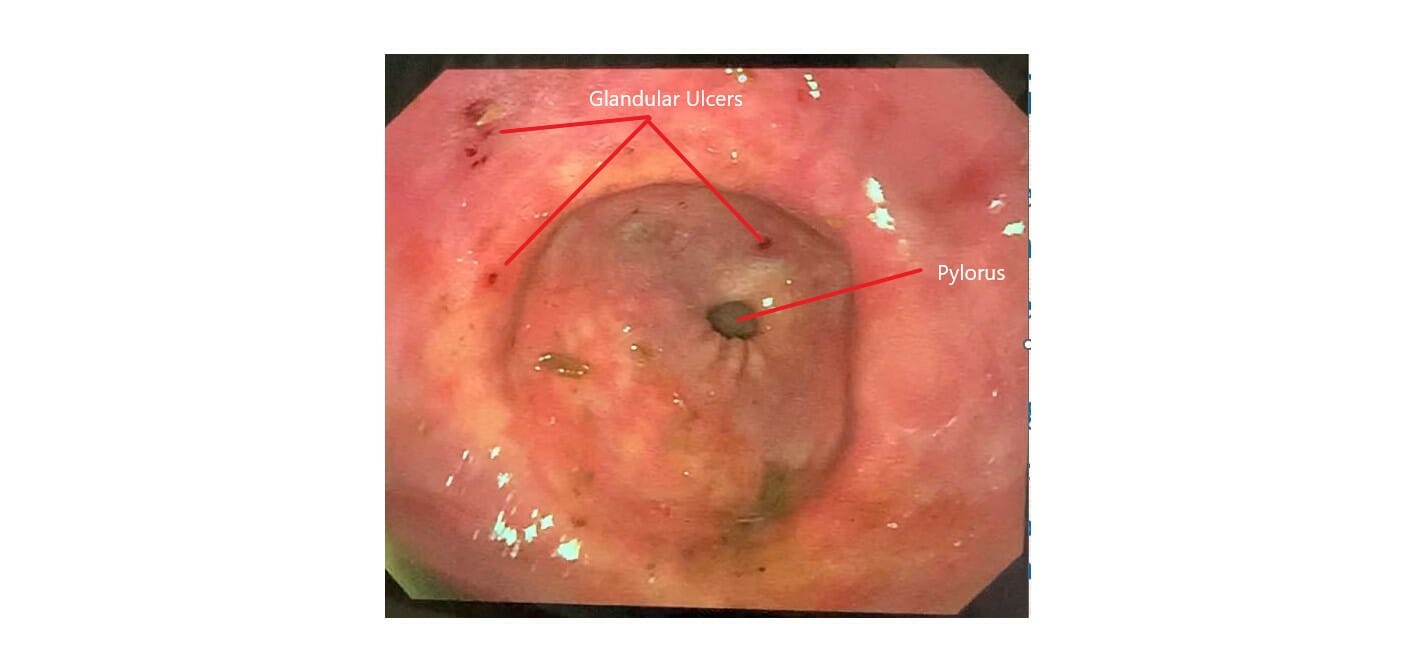
My ears pricked when I received an email alert about a study that had just been published “Effect of diet composition on glandular gastric disease in horses”. That’s because up until recently, we’d thought that glandular disease risk factors were management and stress related, and diet didn’t really play a role. Of course, I needed to know more, with mounting evidence that diet may indeed play a role in glandular ulcers in some horses.
This particular study looked at the effect on glandular scores of substituting half of the grain concentrates in the diet with alfalfa pellets. Those which remained on the full rate of grain concentrate in their diets were called the Control group and those receiving half grain concentrate and half alfalfa were called the Alfalfa group. Trainers were instructed to feed their horses the same diet for 4 weeks prior to the study commencing (Day 0) – the before diet was the same as the Control diet.
This is where things took an unexpected and interesting turn. The researchers compared the non-ulcerated horse group (glandular scores 0-1) with ulcerated horse group (glandular scores ≥2) at Day 0. They found that simple sugar intake of the diet these horses were on before Day 0 was significantly different between these two groups. I know what you’re thinking…high sugars blah blah blah…but no! When comparing many variables including diet, the non-ulcerated group had a significantly higher daily intake of simple sugars in their before Day 0 diets, compared with the ulcerated group.
The researchers thought that higher daily intake of simple sugars which supports certain strains of Lactobacillus may have a protective effect in the stomach. Lactobacilli adhere to the gastric mucosa, forming biofilms and outcompeting pathogenic bacteria. This has been explored in rat models and supports the theory proposed by the authors.
Looking at the effect of substituting half the concentrate grain ration with alfalfa pellets, a positive effect was seen, with fewer horses with GGD at Day 42. The authors propose that this may be the results of a reduced amount of starch available to starch-utilising bacteria in the stomach. These starch-utilising bacteria produce fermentation products which change the pH of the stomach content, which cause other short chain fatty acids such as butyric acid to be more harmful, resulting in mucosal damage. The authors also add that alfalfa pellets offer a buffering effect within the stomach and can contribute to maintaining a higher pH despite acid secretions of strong fermentations associated with grain meals.
Many interesting findings! If you’d like to know the nitty gritty details or read the full article, it is available open access at: https://onlinelibrary.wiley.com/doi/epdf/10.1111/jvim.16747
We would love to welcome you to our FeedXL Horse Nutrition Facebook Group. Ask questions and have them answered by PhD and Masters qualified equine nutritionists and spend time with like-minded horse owners. It’s free!
Click here to join the FeedXL Horse Nutrition Facebook Group
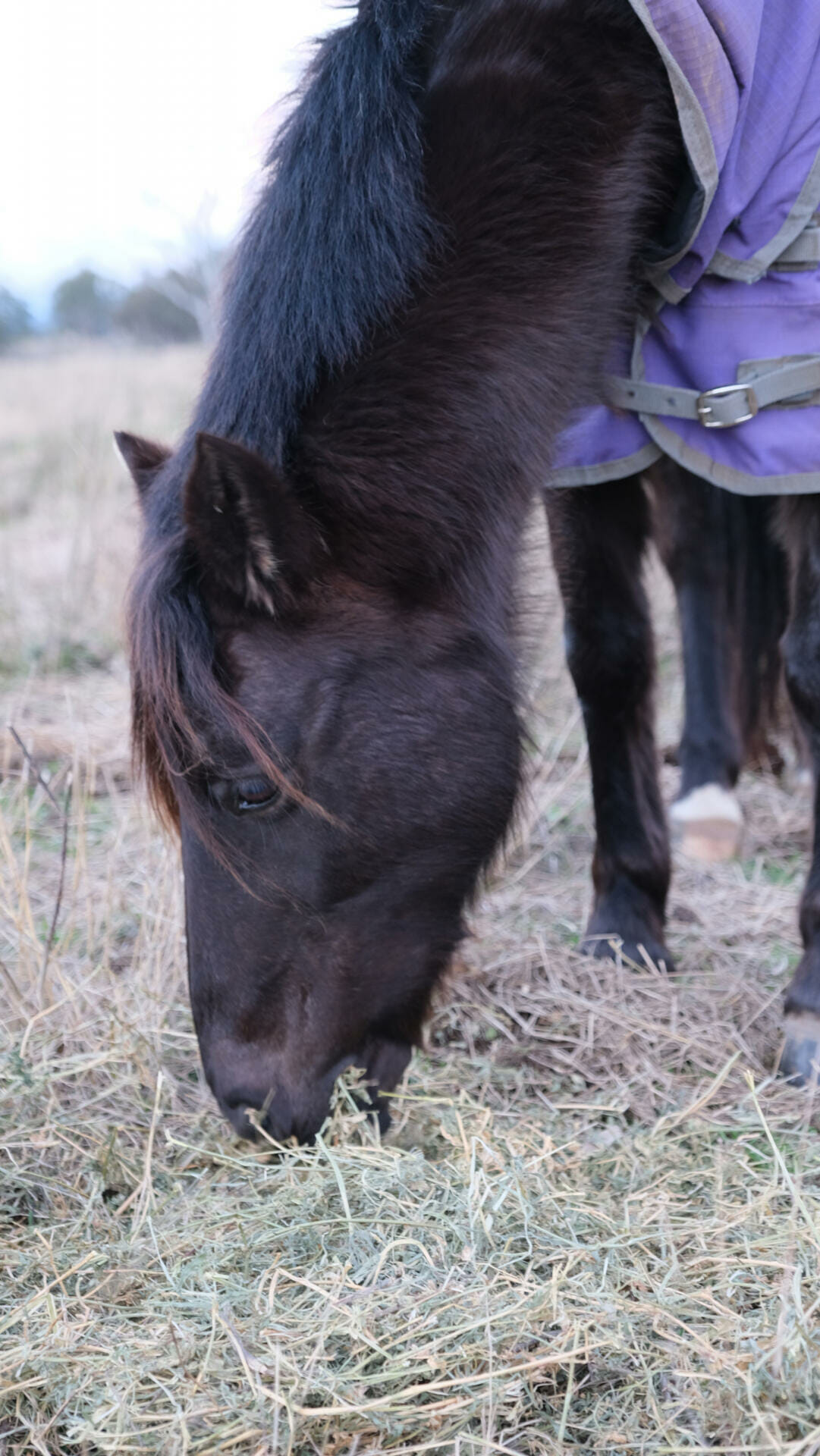
Back in May last year we scoped our new pony Spotty and found she had mild glandular ulcers. The only risk factor we could ‘see’ was the fact she had been a chronic ‘sweet itch’ pony for years. You can read the backstory here.
Our dilemma at the time of scoping was she had already been with us for 2 months, on a balanced diet, including a gut supplement because I was suspicious of ulcers and with constant access to fibrous pasture.
So what we didn’t know was were these ‘mild’ ulcers healing and on their way out? OR were they persistent (like Galaxy’s) and will remain despite her new diet and the removal of her source of chromic stress (no midges at my place and therefore no itching).
At the time, in consultation with my vet, we chose to not medicate Spotty and rescope. Due to Covid lockdowns, the next rescope we could do was 6 months later… in late November 2021.
In the period between May and November her picky eating disappeared, she was happily eating salt and while her stubbornness didn’t disappear under saddle she certainly was content being ridden when she was doing something that didn’t involve repetition (hates being ridden in an arena!).
And I am RELIEVED to report that for Spotty, on re-scoping, her glandular ulcers had resolved!! After the experience with Galaxy (who was scoped first on the same day) my heart was in my mouth when Spotty was being done, so I was beyond relieved to find her glandular stomach in excellent shape!
She did have some hyperkeratosis (Grade 1 squamous ulcers)… sigh. I expect this was due to her grazing being restricted via strip grazing in the 2 months prior to the scoping and the grazing she did have access to was very lush!
My suspicion is that with just lush, watery pasture in the mornings as I moved their strip grazing fence and lucerne/alfalfa hay once a day in the late afternoon there is long periods of time where there is unlikely to be protective fibre in the stomach.
AND they probably don’t produce much saliva when eating lush pasture. There is at least one study (Bell et al 2007) that shows in racehorses that time at pasture was not protective against ulcers.
My plan is to provide access to straw next spring to make sure they always have something fibrous to chew on without blowing their calorie budget!
Fast forward to now though (late summer), Spotty is now living on a giant track with her pasture buddies Poet and Popcorn. They have lots of low quality, fibrous pasture to munch on all day and they get new pasture in a strip graze paddock right at the end of their track each day. So fingers crossed her squamous region is doing better.
She certainly looks good on the outside, but as Galaxy has so beautifully shown us, this is NOT an indicator of internal stomach health!
We would love to welcome you to our FeedXL Horse Nutrition Facebook Group. Ask questions and have them answered by PhD and Masters qualified equine nutritionists and spend time with like-minded horse owners. It’s free!
Click here to join the FeedXL Horse Nutrition Facebook Group
Here is an interesting little case for you!
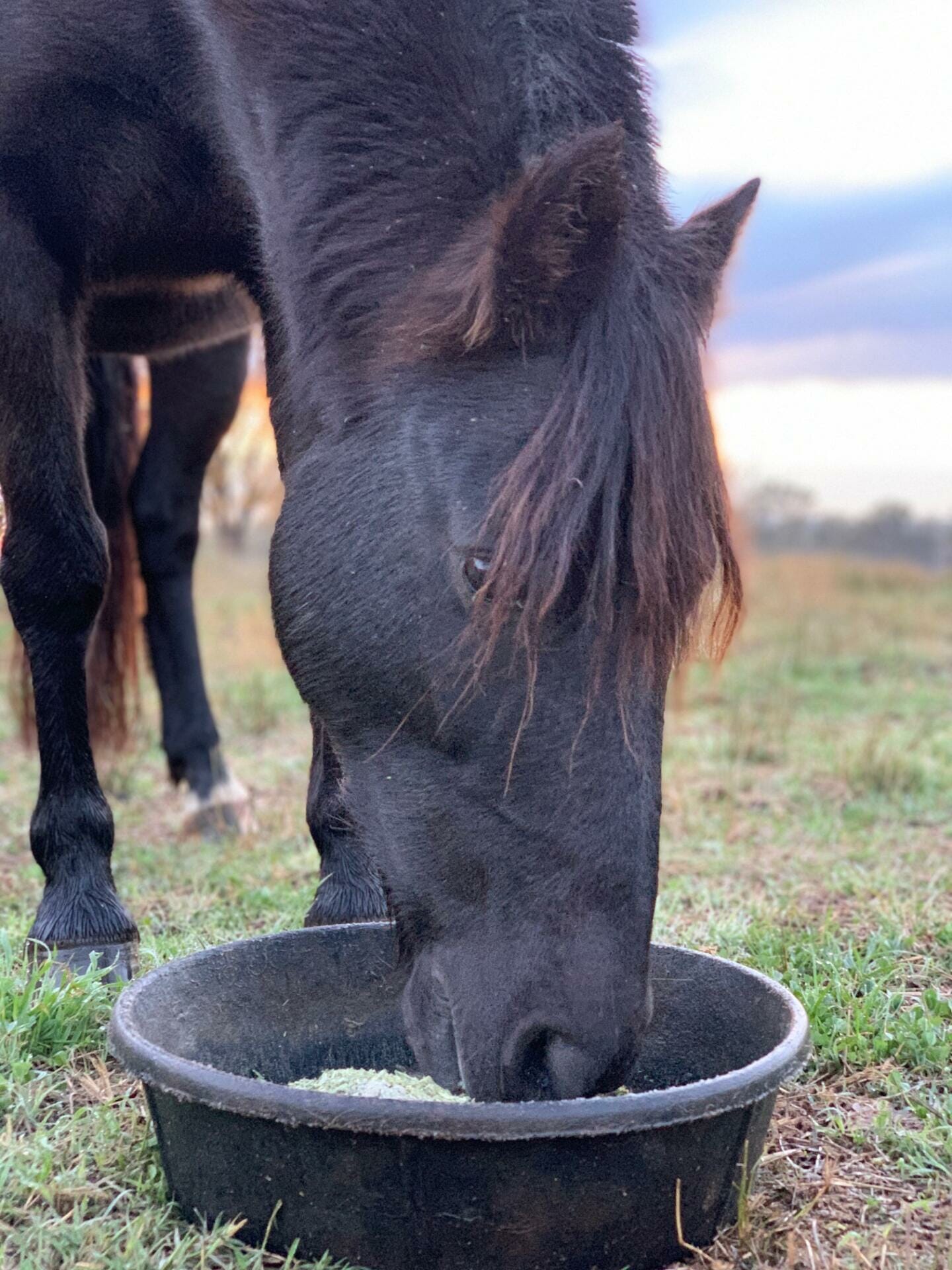
Meet Spotty… who isn’t spotty … her full name is Spotlight!
Spotty has just joined our little herd of equines and has fitted in beautifully with Popcorn and Poet.
I bought her from a friend who wanted to sell her as she was a chronic ‘QLD Itch’ (sweet itch) pony and my friend wanted her to go somewhere with no midges!
I was looking for a pony and she is just perfect for us. And we have no midges!
What is interesting about this you ask… nothing, yet!
BUT, the first few times I fed Spotty I noticed she was pretty finicky. For a pony she was also in excellent (not fat) condition, despite having had free access to pasture. AND if I added salt to her feed she wouldn’t eat it.
Plus she could be a little grouchy when getting saddled up and is a bit hesitant to go forward some days, (which yes, could be just her being a pony who knows she can beat her inexperienced rider, but for now I have given her the benefit of doubt).
My brain is putting all of this together… chronic underlying stress from being itchy (despite my friend doing an a-mazing job keeping her rugged and as protected as possible!), weird appetite for a pony and not fat despite lots of pasture, girthy and not happy in her work.
It was suggesting ulcers to me, and it was suggesting glandular ulcers (the ones down the bottom of the stomach), as I couldn’t see how there were any risk factors for the squamous ulcers up the top of the stomach.
So, into a scoping day we go, and look what we found, mild pyloric ulcers.
In a way it didn’t surprise me. BUT when we think about the typical risk factors for ulcers, this pony had none, aside from the fact she was itchy/stressed all the time!
The interesting dilemma for me is she has been with us for 2 months already. She has been (of course) on a well balanced diet since she arrived, gets a gut supplement (because I was suspicious of ulcers) and always gets lucerne before she is ridden (my daughter makes sure of this, I love seeing her get the lucerne as the first thing she does when saddling up!). The top (squamous) section of her stomach was pristine on scoping.
So what we don’t know is, are these ulcers healing and on their way out? Or are they persistent and will remain despite the non-itching and new diet.
I have chosen, in discussion with my vet not to treat these ulcers with any form of medication for now, keep up the diet and the supplement and rescope in 4 to 6 weeks and see what we can see!
I wanted to share though as it is such a good example of how (I suspect) stress can lead to ulceration as truly this pony had no other risk factors (aside from not being mineral supplemented on her pasture, which could lead to zinc deficiency and an inability to heal any lesions in the gut).
I hope you find this as fascinating as I did!
We would love to welcome you to our FeedXL Horse Nutrition Facebook Group. Ask questions and have them answered by PhD and Masters qualified equine nutritionists and spend time with like-minded horse owners. It’s free!
Click here to join the FeedXL Horse Nutrition Facebook Group
Recent research indicates perhaps not.
Prescribing ulcer medication and alongside bute for horses has become common to reduce the negative impact the pain medication is thought to have on gut health and development of gastric and colonic ulcers.
A recent study, published in the Equine Veterinary Journal by the team at Louisiana State University set out to evaluate the effect of omeprazole on phenylbutazone-induced gastric ulcers, including squamous and glandular ulcers.
Their major findings were:
The take home message?
The use of these two drugs together needs to be carefully considered as it is not universally safe to do so. If you can avoid using both at the same time and use other ways of supporting gut health while horses are on bute, then you probably should.
If you love the details like we do, keep reading!
Twenty-two horses from the universities teaching herd were enrolled in the study based on inclusion criteria of >3 years old, with squamous and glandular ulcer scores less than 2 and no signs of systemic disease.
Horses were acclimatised 2-3 days prior to initial gastroscope. Prior to this, the horses were fed a diet containing pasture, mixed grass hay and 1kg of pelleted feed (starch max. 17%).
During the study period, horses were individually stalled and fed a diet consisting of mixed grass hay and 1kg grain-based feed (starch max. 33%). Grain based feed was changed from 1kg Purina Omolene 100 to 0.5kg Omolene and 0.5kg Purina Strategy (starch max. 10%) daily after the first cohort due to observations of colic signs.
Horses were allocated into one of three groups (randomised block design based on initial glandular score) and treated for 7-14 days with one of three treatments:
Treatment 1. phenylbutazone paste 4.4mg/kg orally every 12 hours
Treatment 2. phenylbutazone paste 4.4mg/kg orally every 12 hours + omeprazole 4mg/kg orally every 24 hours
Treatment 3. placebo (control) of corn syrup 10ml orally every 12 hours.
There were four cohorts due to stall availability.
Horses were fed two biscuits of hay at 4pm in the evening alongside feed and no hay was present at time of medication administration in the morning. Omeprazole was administered first the following morning, followed by phenylbutazone 30 minutes later, followed by hay and feed.
On day 0, 7 and 14, following 16-18 hours fast, gastroscope was performed by an investigator blinded to treatment. Signs of colic and diarrhoea were observed and recorded throughout the study period.
Gastric fluid and blood was collected on day 0 and day 14 (unless withdrawn earlier). Horses were withdrawn from the study if adverse effects (colic, lethargy, diarrhoea) were identified that required medical intervention or if glandular or squamous ulcers grade 4 was observed.
Due to adverse effects seen in treatment groups in the first cohorts, the last study cohort underwent treatment for 7 days only.
The results from this study are quite complex due to the complications within treatment groups and as a result, horses being withdrawn from the study but here are the main findings.
No effect of treatment on squamous ulcers was seen. Glandular ulcers increased by one score in the phenylbutazone group compared with no significant change in the phenylbutazone + omeprazole group.
Interestingly, no obvious change in glandular ulcer scores was seen in the control group however a trend towards increasing squamous ulcer scores which may indicate the role diet and management may play in squamous ulcer formation.
This was also seen in the phenylbutazone group but not in the phenylbutazone + omeprazole group. One horse in the control group appeared not to cope with changes in management with increase of glandular and squamous ulcer scores from 1 to 4 in just 7 days.
Intestinal complication was observed in both treatment groups. These included two out of a total of seven in the phenylbutazone group (including large colon impaction and small colon impaction).
And six out of eight in the phenylbutazone + omeprazole group (including large colon impaction, small colon impaction, colic of undetermined cause, diarrhoea, colitis and secondary sepsis resulting in death and ulcerative colitis with septic peritonitis leading to euthanasia).
No horses in the control group developed complications.
The authors acknowledge that a high dose of phenylbutazone was used (4.4mg/kg twice daily) however justified that this dose is occasionally used in clinical practice. Lower doses of phenylbutazone (2.2mg/kg twice daily) are generally recommended.
Sudden changes (2-3 days adaption) in dietary and housing management were also confounding factors however not dissimilar to clinical practice where horses may be brought in off pasture and hospitalised or stalled due to an injury.
Previous studies have shown changes in diet alter intestinal microbiome in horses and both dietary and housing management changes have been associated with colic. Therefore, this may have predisposed horses in the treatment groups to intestinal complications.
BUT it was not the determining factor as no complications were observed in the control group.
Care must be taken when using omeprazole alongside phenylbutazone for the treatment of horses.
The exact cause of complications in treatment groups is unclear however the authors of this study suggest changes to microbial populations in the gut, altered gut motility and intestinal inflammation may have all contributed.
Talk to your veterinarian about any concerns prior to starting these medications, particularly if you are using both at once.
Importantly, try to minimise changes in management practices at the same time especially if you are introducing grain-based feed.
If your horse requires pain relief in the form of phenylbutazone, investigate alternatives to omeprazole that support gut health through other actions e.g. marine source calcium to buffer gastric acid, pectin or lecithin to protect the stomach lining and supplying the amino acids, glutamine and threonine, which help repair and protect the gut mucosa.
Plus be sure to reduce stress as stress is one of the biggest predisposing factors for glandular ulceration.
Ricord M, Andrews FM, Yñiguez FJM, et al. Impact of concurrent treatment with omeprazole on phenylbutazone-induced equine gastric ulcer syndrome (EGUS). Equine Vet J. 2021;53:356–363. https://doi.org/10.1111/evj.13323
We would love to welcome you to our FeedXL Horse Nutrition Facebook Group. Ask questions and have them answered by PhD and Masters qualified equine nutritionists and spend time with like-minded horse owners. It’s free!
Click here to join the FeedXL Horse Nutrition Facebook Group
In humans, rebound acid hypersecretion (RAHS) is when gastric acid production actually INCREASES above normal levels when long-term treatment with proton pump inhibitors like omeprazole (the most common drug used to treat ulcers in horses) stops.
RAHS is known to occur in humans using drugs like omeprazole to suppress gastric acid secretion for extended periods of time (8 weeks+). The mechanism is understood to be:
It is important to remember that a human’s and horse’s pattern of gastric acid secretion is different, so we can’t just assume that what happens in one will also happen in the other. But with the number of horses we see who are continually needing treatment for gastric ulcers, we do wonder if RAHS is occurring in horses.
If it is, what does this mean for your horse?
Well, if your horse has gastric ulcers and you can use omeprazole short term (4 weeks) to treat them, there may not be any implications as in humans it seems to be long-term treatment that causes RAHS.
BUT, if you are continually treating your horse for gastric ulcers, without success (i.e. you have one of those horses that no sooner are the ulcers healed then they are back again) or you have an OTTB that had been on long term ulcer treatment while in training (which is unfortunately common) you may need to take RAHS into consideration.
In humans, they have studied a slow withdrawal of the drug to try to stop RAHS occurring. But even with tapering the drug use off over 3 weeks, RAHS still occurred. Still, it is worth discussing this tapering with your veterinarian for any horse that may be at risk.
What will most likely help is making sure the horse goes onto a diet and feed regime post treatment that will help naturally keep your horse’s stomach pH high AND stop the acid from being able to splash and reach the upper regions of the stomach.
A diet high in forage (hay or pasture) with at least some component of alfalfa (Lucerne) will be your best option. Having hay or pasture constantly available and keeping periods of time without feed short (less than 2 hours) will also help.
The more you can make your horse chew, the more he will salivate. And the more he salivates, the more buffered his stomach fluid will be. The more buffered it is, the higher its pH and the less likely it will be to cause ulcers. Supplements designed to elevate gastric pH may also be useful in the short term, post treatment.
And the big one, never ever ride your horse on an empty stomach! Fill him up with hay before you ride!!
For more on feeding to prevent ulcers, read our posts Avoiding Gastric Ulcers and Starch And Ulcers: What’s The Deal?
Want to try FeedXL?
Get EVEN MORE practical and personalised feeding guidance when you sign up to FEEDXL.
SIGNUP TO FEEDXL NOW
We would love to welcome you to our FeedXL Horse Nutrition Facebook Group. Ask questions and have them answered by PhD and Masters qualified equine nutritionists and spend time with like-minded horse owners. It’s free!
Click here to join the FeedXL Horse Nutrition Facebook Group
You may have heard it recommended that horses with ulcers should be fed a ‘grain-free’, low starch diet. It is believed that any starch may make ulcers worse. Or stop them from healing when the horse is being medicated to resolve ulcers. But is there any scientific basis for what has now become a popular recommendation? Let’s take a look!
Like the rest of the horse’s gut, the stomach is full of bacteria. When grains AND forage enter the stomach, they are partially fermented. During fermentation, the bacteria produce volatile fatty acids. These VFAs are the same as what is produced in the hindgut during fermentation there. So they are not harmful to the horse. In fact they are beneficial.
Thing is though, in the stomach, they get mixed with the hydrochloric acid from the stomach and become ‘nonionized’. In this state, they can enter the epithelial cells of the upper part of the stomach, causing them to become inflamed, and swell, and ultimately make the stomach wall lining more prone to ulceration. This is what they understand to happen in pigs.
So everything you feed a horse will be partially fermented in the stomach. We do know however, that when we feed a grain based, high starch ingredients, higher levels of VFAs are produced. But does it increase the risk of gastric ulcers? Not necessarily.
In a study where horses were fed either lucerne + grain OR grass hay only, there was significantly higher levels of VFA in the stomach contents of horses fed lucerne + grain. BUT, the horses on this diet had less severe and fewer gastric ulcers than the horses fed the grass hay only diet. Despite the higher level of VFAs, horses on the lucerne + grain diet had a higher pH (less acidic) for 5 hours after feeding when compared to the grass hay only diet 1.
The researchers in this study suggest the high protein, high calcium characteristics of both the lucerne hay and the ‘grain’ (unfortunately, they do not specify what the grain was except to say it contained over 7 g/kg of calcium and was almost 15% protein, so it must have been a fortified commercial feed) created a buffering effect in the stomach and were able to keep the pH higher.
So here, the starch did increase VFA levels, but the diet containing the grain was also effective at keeping gastric pH higher. Combined, there was a protective effect against ulcers.
In a second study2, researchers found that of horses fed lucerne plus a commercial pelleted feed, 8% developed ulcers. Compared to 75% who developed ulcers when they were fed the same pellet, but with grass hay. In this same study, horses that started with existing ulcers all improved their ulcers scores by more than 2 when fed lucerne + pellet. But on the grass hay, only 2 out of 12 horses showed healing to the same degree. So it does appear lucerne is protective. And that feeding grain/starch doesn’t automatically mean a horse will be prone to ulcers.
We tend to think that a high fibre diet is always going to be better than a low fibre diet for minimising gastric ulcers. And there are varied reports in the literature. Research from the UK3 reported that a low fibre, high concentrate (32% starch pellet) diet had a lower number and severity of lesions versus a high fibre, low concentrate diet. Odd right!
The fibre fed during this study was ryegrass haylage. A trend is starting to appear with grass forage and a higher risk of ulcers! What we don’t know is why? Researchers in Denmark reported that horses with straw as their only source of forage had a higher risk of ulcers4 which may give some clues. Perhaps there are nutrients required for maintaining gut wall integrity that grass hays and straw are unable to provide.
The important point here is to realise that just feeding lots of forage is not enough to protect a horse from ulcers. And to recognise that adding grain to diets is not a risk factor in itself. It comes down to which forages are fed and how much grain/starch is fed AND how feeding is managed.
The studies reported above show that grain can be fed without causing ulceration. So starch is not a simple ‘Cause & Effect’ with gastric ulcers. Or in other words, when it is fed in a certain way, it can be fed without causing ulcers. And can even be fed in a way to allow ulcers to heal. But is there a limit to how much starch you can feed a horse with ulcers?
The answer is YES! In a large study, 201 Danish horses from 23 different non-racing stables were scoped for ulcers. 53% of horses were reported as having an ulcer score of more than 2, with most of these occurring in the upper part of their stomach4.
Two risk factors related to the amount of starch fed were reported in this study;
So some starch it seems is perfectly OK. But there is a limit to how much should be fed ‘per day’ and ‘per meal’.
Feeding grain based feeds carefully is a huge consideration in managing the risk of ulcers. If your horse needs more energy than can be provided by the amounts of grain based feeds specified above, you should look at feeding oils or high energy fibres to meet the rest of your horse’s calorie requirements.
Too much starch increases the risk of ulcers. But when fed in a well put together diet, research has shown that diets containing grains resulted in less ulcers than grass hay only diets. So starch, itself, doesn’t appear to cause ulcers.
Good question! Here are my top tips on feeding a horse prone to ulcers:
| Starch Content (%) | Maximum Amount/Meal for a 500kg Horse (kg) |
|---|---|
| 20 | 2.5 |
| 30 | 1.7 |
| 40 | 1.25 |
| 50 | 1 |
While the studies above show us that feeding grains, in diets that also contain lucerne can result in ulcers resolving, if you are more comfortable going grain-free then it is certainly an option. Using high quality, grain-free products that are high in protein and fortified with calcium are likely going to work well for a horse prone to ulcers. As far as I can see there are no studies to confirm this… something for future research to work on!
It is just important to remember that this is not essential. Grain based feeds can be used, as long as they are used carefully.
Want to try FeedXL?
Get EVEN MORE practical and personalised feeding guidance when you sign up to FEEDXL.
SIGNUP TO FEEDXL NOW
We would love to welcome you to our FeedXL Horse Nutrition Facebook Group. Ask questions and have them answered by PhD and Masters qualified equine nutritionists and spend time with like-minded horse owners. It’s free!
Click here to join the FeedXL Horse Nutrition Facebook Group
You’re probably thinking… What?!?! We know! And we agree… this sounds CRAZY! And goes against everything you might think is going to help a horse with ulcers.
If you have had a horse you have treated, unsuccessfully, for ulcers, keep reading!
Because here is the thing… horses on free choice hay have poor absorption of omeprazole (the drug of choice in treating equine gastric ulcer syndrome; EGUS). And if they don’t absorb it, it simply will not do its job of suppressing acid production. And if it doesn’t suppress acid, ulcers won’t heal.
In a study by Sykes et al (2017) it was shown that 3 out of 6 horses on ad libitum hay diets had minimal if any acid suppression (i.e. medication was totally useless).
Sykes 2019 suggests instead that horses are medicated after an overnight fast. THEN, withhold feed for 60 to 90 minutes after administration. Then feed a large feed of forage, which will stimulate gastrin which then makes omeprazole more effective. After the horse has eaten the hay it can be fed any concentrate it may require in its diet.
So overnight fast, then dose, then wait an hour, then feed lots of hay or allow access to pasture.
The research into this seems conclusive hence why we’re reporting it here, even if it seems to go against the grain (no pun intended).
Once the horse has finished its course of ulcer treatment you should immediately revert back to free choice hay and minimise and periods of time off feed.
Stay abreast of your horse’s health with FeedXL
Get EVEN MORE practical and personalised feeding guidance when you sign up to FEEDXL.
SIGNUP TO FEEDXL NOW
We would love to welcome you to our FeedXL Horse Nutrition Facebook Group. Ask questions and have them answered by PhD and Masters qualified equine nutritionists and spend time with like-minded horse owners. It’s free!
Click here to join the FeedXL Horse Nutrition Facebook Group
Question: Does gastric ulcer medication reduce nutrient digestion in horses?
Answer: Yes
Research shows that starch from grains that were exposed to equine stomach fluid before being digested by small intestinal enzymes was between 17% (extruded rice) and 104% (cracked triticale) more digested than starch that wasn’t exposed to the stomach fluid.
While the research can’t say how much of this increased starch digestion was due to the stomach acid and how much was due to the protein digesting enzymes that are present in the stomach fluid, the stomach fluid was having a definite positive influence on the digestion of starch.
It’s important to remember that the protein digesting enzymes in a horse’s stomach fluid rely on the stomach acid to activate them, so regardless of whether the improved digestion was due to the avid itself or the protein digesting enzymes, if you stop acid production using ulcer medications you will lose both the acid and the enzymes.
If you use gastric ulcer medications for horses like ranitidine and omneprazole to reduce gastric acid secretion, you are very likely reducing the digestion of at least some nutrients further down the gastrointestinal tract.
What should you do about this?
If your horse has ulcers, treating and getting rid of the ulcers as quickly and effectively as possible is by far the most important consideration. However, once the ulcers are gone, it is recommended to use good management practices to keep your horses chewing, their stomachs full and buffered with saliva, and their minds calm instead of constantly using medication to prevent ulcers. This way allows their gastrointestinal tract to function the way it was designed and allows the digestion process to be as effective as possible.
For more info on feeding to prevent ulcers, read our article ‘Avoiding Gastric Ulcers’ here.
Join FeedXL today and take control of your horse’s nutrition
Get EVEN MORE practical and personalised feeding guidance when you sign up to FEEDXL.
SIGNUP TO FEEDXL NOW
We would love to welcome you to our FeedXL Horse Nutrition Facebook Group. Ask questions and have them answered by PhD and Masters qualified equine nutritionists and spend time with like-minded horse owners. It’s free!
Click here to join the FeedXL Horse Nutrition Facebook Group
Equine gastric ulcer syndrome (EGUS) is a major equine health problem worldwide. Multiple studies have reported an incidence of ulcers in performance horses in excess of 90% of horses training.
Ulcers negatively – and sometimes severely – affect a horse’s ability to perform. They cause pain and discomfort. They may reduce a horse’s appetite which in turn limits its capacity to maintain bodyweight. Gastric ulcers can also possibly lead to the development of vices including windsucking and crib biting.
While gastric ulcers in horses have long been recognised as a major health concern, there is an evident lack of understanding in the horse community about what causes them and how they can be prevented.
Continue reading to find out a little bit more about what gastric ulcers are, how your horse’s stomach functions, and a few little things you can do that will dramatically reduce the risk of your horse’s stomach developing this painful condition.
Gastric ulcers are lesions that are found in the stomach of horses. The horse’s stomach is made up of 2 major regions, the upper ‘squamous’ area and the lower ‘glandular’ area. Gastric ulcers are categorised by their location in the stomach being either squamous gastric ulcers or glandular gastric ulcers – these are two distinct diseases with different risk factors.
The horse evolved as a grazing animal and, when left to their own devices, will eat for 17 hours or more per day. This means they are constantly chewing and salivating, and their stomach is always full. Because of this pattern of eating, their stomach never developed an on-off-switch for gastric acid production. The equine stomach secretes gastric acid 24-hours a day, regardless of whether they are actually eating or not.
When you think about this from the perspective of our modern-day horses, it is not an ideal situation. Many horses are now stabled with limited access to free choice forage, or they work, compete, and travel, leaving them in situations where they go for extended periods of time without feed.
When a horse eats it produces saliva and one of saliva’s roles is to buffer the gastric acid in the stomach. So, when they aren’t eating, they aren’t salivating. BUT they are still secreting gastric acid. This results in a pool of unbuffered (and therefore very acidic) gastric fluid accumulating in the lower section of the horse’s now empty stomach.
The lower part of the horse’s stomach was smart enough to protect itself from gastric acids, and, provided it is well-nourished, is able to produce enough sticky mucous to protect itself from its own acid secretions. BUT, the upper part of the stomach doesn’t have this same protection. In a grazing horse, the stomach is always full, so the top of the stomach was never exposed to gastric acid simply because the forage a horse ate stopped the acid from ever splashing up there. However, in modern-day, meal-fed horses, the stomach is often empty, and the upper section of the stomach is left totally exposed to the highly acidic fluids that are allowed to accumulate in empty stomachs.
When a horse with an empty stomach trots, canters, gallops, or even simply tenses up its abdominal muscles the gastric fluids are splashed or squeezed up onto the unprotected upper section of the stomach. Simply put, the acid starts to burn holes in the stomach wall lining. If you allow this to occur repeatedly, the horse will eventually develop ulcers. This can happen in just a matter of days.
The following situations have been identified as factors that can influence the risk of squamous gastric ulcers:
Some feeding management practices that may help reduce the incidence of squamous ulcers are:
For horses requiring a high energy diet, grain-based feeds can be substituted with a combination of high energy fibre such as alfalfa pellets, chaff or alike, beet pulp, soybean hulls, and high fat ingredients such as oilseeds and oils.
The following situations have been identified as potential risk factors for glandular ulcers:
Diet does not appear to a key risk factor but does form part of the management of horses at risk of glandular ulcers. One study looking at the effect of diet composition on glandular ulcers does support this (Julliand et al., 2023). Some of the key findings of this study were:
Some feeding management practices that may help reduce the incidence and severity of glandular ulcers are:
For horses requiring a high energy diet, this can be achieved by substituting grain-based feeds with a combination of high energy fibre feeds like beet pulp, soybean hulls, etc and high fat ingredients such as oilseeds and oils.
In the above-mentioned study, horses receiving approximately 5-6kg of grain concentrate per day transitioned to a diet of approximately 3kg grain concentrate and 2.8kg of alfalfa pellets per day. As a guide, inclusion of 2-2.5kg of alfalfa (lucerne) pellets or alike to feeds may be beneficial.
While one study has shown that feeding lucerne hay can reduce the severity of ulcers already present in horses and long periods of pasture turnout will sometimes allow a horse to resolve gastric ulcer issues, if your horse already has gastric ulcers, treating them with veterinary prescribed medication is important for a quick resolution. Talk to your veterinarian about the best treatment regime for your horse.
Gastric ulcers are a serious and common health problem in horses that will affect their overall wellbeing and performance. While we still don’t have a full understanding of how and why they occur with such a high incidence, using the feeding and management strategies outlined above will help to reduce your horse’s risk of developing gastric ulceration.
Join FeedXL today and take control of your horse’s nutrition
Get EVEN MORE practical and personalised feeding guidance when you sign up to FEEDXL.
SIGNUP TO FEEDXL NOW
We would love to welcome you to our FeedXL Horse Nutrition Facebook Group. Ask questions and have them answered by PhD and Masters qualified equine nutritionists and spend time with like-minded horse owners. It’s free!
Click here to join the FeedXL Horse Nutrition Facebook Group