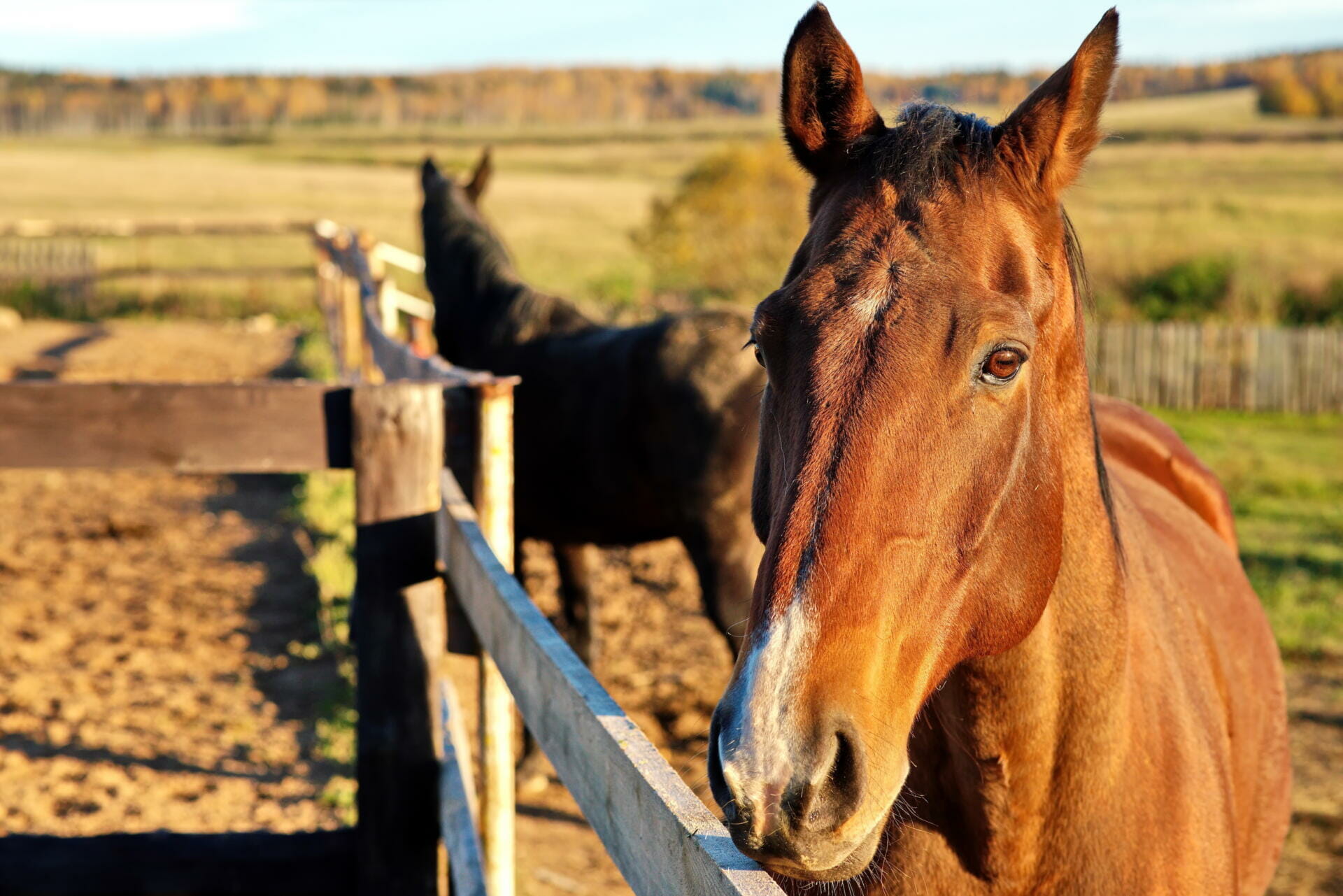
The rain has finally arrived.
But that doesn’t mean your drought feeding plan should stop overnight.
After months of dry conditions, it can be tempting to open the gates and let your horse loose on the first flush of green pasture. However, this can create problems.
For some horses, a sudden change in diet can increase the risk of colic and laminitis. Instead, the end of a drought should be treated as a transition period — and how you manage that transition matters.
When rain finally arrives, pasture can change quickly, with green pick appearing almost immediately.
But the first green shoots aren’t necessarily a sign that pasture is ready to support unrestricted grazing.
Giving pasture time to recover is important for its longer-term productivity. Grazing too early can deplete the remaining root reserves of drought-stressed plants and, in severe cases, cause plants to die.
A horse that has spent weeks or months eating hay and other supplementary forage has a very different diet from a horse grazing actively growing pasture.
Suddenly increasing pasture intake can dramatically change the amount of energy, protein, sugar and water entering the diet. It can also change the amount of fibre being consumed and the rate at which feed passes through the digestive tract.
These changes make the transition back to pasture a high-risk period for colic and laminitis. A slow transition gives your horse — and, importantly, the microbes in the gut — time to adapt.
How quickly you can increase grazing time depends on the pasture, the individual horse and how much pasture is available.
A practical approach is to:
There is no single number of days that will work for every horse when transitioning back to unrestricted pasture access.
The aim is to gradually increase pasture intake while monitoring your horse’s health and body condition, rather than suddenly replacing the entire diet and risking problems such as colic or laminitis.
The end of a drought can bring a surprising change in body condition, and some horses will regain weight quickly once pasture becomes available.
This can be particularly important for easy keepers and horses that have previously struggled to maintain a healthy weight.
Don’t assume that because a horse lost weight during the drought, unrestricted access to fresh pasture is now appropriate.
Continue monitoring body condition and adjust the diet as needed. Some horses may still need supplementary forage or additional calories.
Rapidly growing pasture can be high in non-structural carbohydrates (NSC), although pasture sugar and starch can vary considerably with plant species, maturity and environmental conditions.
This deserves particular attention in horses that are:
A drought ending doesn’t remove these dietary risks.
If your horse requires a low-NSC diet, manage pasture access carefully and consider pasture or forage testing where appropriate.
It’s also important to avoid assuming that the first flush of green pasture is suitable for unrestricted grazing. Allowing pasture time to recover can help both the plants and the horse.
It can be tempting to stop feeding hay as soon as grass appears.
Instead, use hay to help control the rate at which pasture becomes your horse’s main forage source. This also gives pasture plants time to establish before they are subjected to heavy grazing pressure.
For many pasture species, allowing plants to reach an appropriate stage of growth before grazing supports pasture recovery and provides a better balance of nutrients and fibre for horses.
As pasture availability increases, gradually reduce supplementary hay according to how much pasture your horse is consuming.
Horses will generally favour pasture over hay when both are available, so you can use changes in hay intake as one guide to how much pasture they are consuming. However, always ensure adequate forage remains available, particularly during the transition period.
You may need to continue feeding hay for several months after the drought has finished to allow pasture time to recover.
Be aware of weeds that weren’t present in the pasture before the drought but may now appear in your paddock.
These may include toxic plants or simply colonising plants — the first plants to establish when the ground has been bare.
Examples include capeweed (Arctotheca calendula) and false dandelion (Hypochaeris radicata).
If these weeds are present in large enough quantities, horses may consume significant amounts of them, potentially causing health problems or contributing to mineral imbalances.
Your drought diet may have contained a combination of grass hay, straw, lucerne hay, other fibre feeds, commercial feed and supplements.
As pasture intake increases, the contribution from those feeds to the overall diet will change.
A diet that was appropriate when hay provided most of the forage may no longer be appropriate when pasture becomes a significant part of the diet.
For example, a horse may no longer need the same amount of energy-dense feed.
The vitamin and mineral supplement may also need to change because pasture is now supplying nutrients that weren’t previously coming from hay.
This is a good time to reassess the whole diet rather than simply removing feeds as pasture becomes available.
As horses move from dry lots or sacrifice paddocks back onto pasture, their water source and intake may change.
For example, your horse may have been drinking delivered town water while in a dry lot or sacrifice paddock and then have access to bore water when returned to pasture.
Make sure the new water source is clean, palatable and readily available. Monitor your horse’s water intake when there is a change in water source and, where possible, provide a familiar water source during the transition.
Horses should always have access to unlimited, clean, palatable water.
When the drought breaks, don’t switch from drought feeding to unlimited pasture overnight.
Rain may end the drought — but good pasture management and careful dietary transitions help make sure your horse comes through it healthy.
FeedXL members — now’s the perfect time to double-check your horse’s diet.
Log in and review your forage and fibre balance »
Not using FeedXL yet?
Join today to start building scientifically balanced diets for your horse »
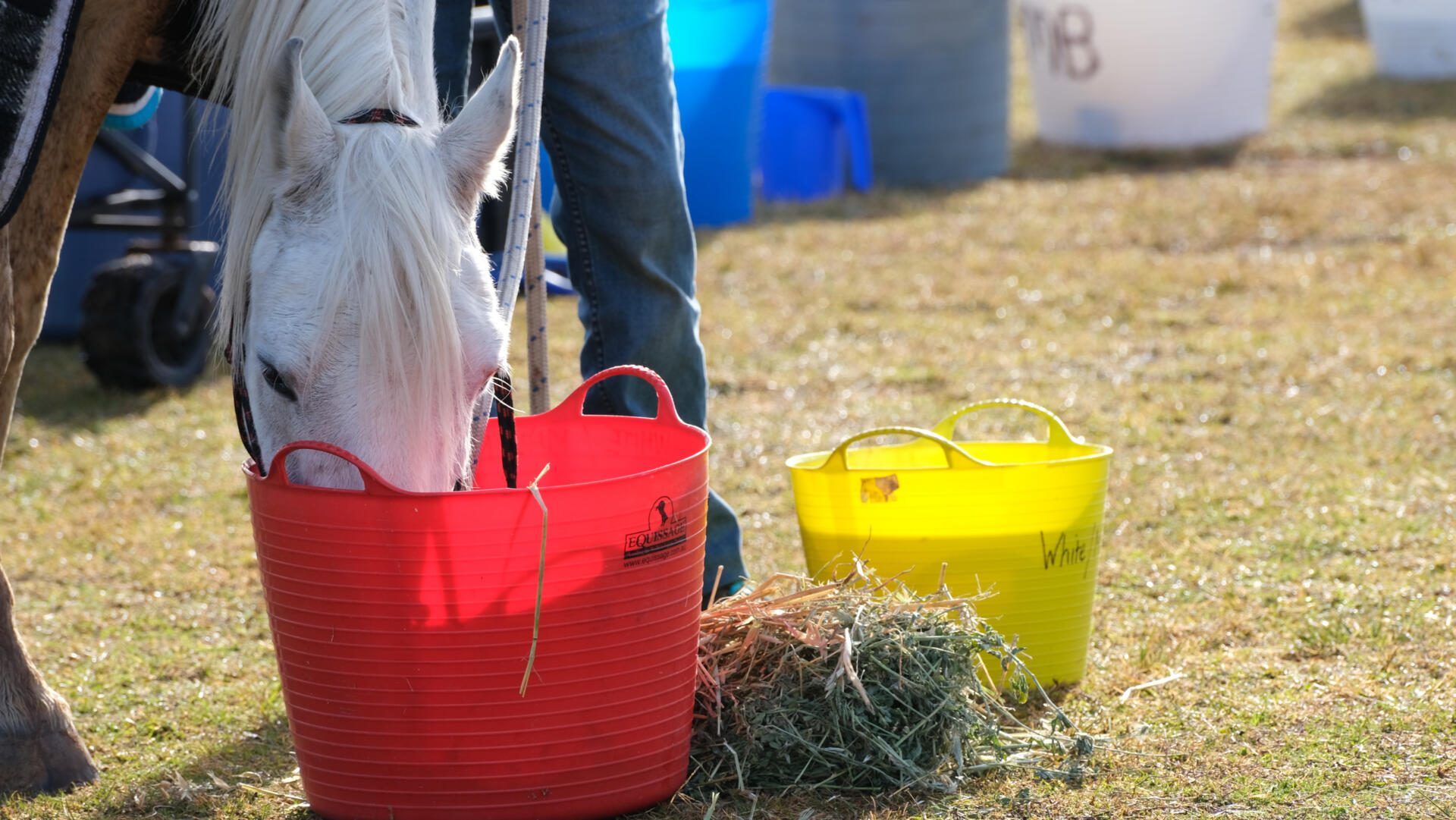
Understanding the difference between “as fed” and “dry matter” helps explain why pasture, hay and haylage can’t be compared by weight alone. It’s also the reason nutritionists evaluate feeds on a dry matter basis when assessing whether a horse’s diet is meeting its nutrient requirements.
“As fed” simply means the feed exactly as your horse eats it, including both its nutrients and its water content.
If you weigh:
each weighs 1 kg as fed.
However, although they weigh the same, they do not provide the same amount of nutrition because they contain very different amounts of water.
Dry matter is the portion of a feed that remains after all of the water has been removed.
It contains the nutrients your horse relies on, including:
Water is essential for hydration and many normal body functions, but it doesn’t contribute energy, protein, vitamins or minerals. Removing the water from the calculation allows feeds with different moisture contents to be compared fairly.
Imagine comparing two buckets.
One is filled mostly with hay. The other is filled mostly with water.
Even if the buckets weigh exactly the same, they clearly don’t contain the same amount of nutrition.
The same principle applies to horse feeds. Water adds weight but very little nutrition. By comparing feeds on a dry matter basis, nutritionists can accurately compare pasture, hay, haylage and concentrates, regardless of how much moisture they contain.
The amount of water in forage varies considerably. This means two feeds that weigh exactly the same can provide very different amounts of nutrition.
| Feed | Typical Water Content | Typical Dry Matter |
|---|---|---|
| Fresh pasture | 75 to 85% | 15 to 25% |
| Haylage | 35 to 50% | 50 to 65% |
| Hay | 10 to 15% | 85 to 90% |
| Pelleted feed | 8 to 12% | 88 to 92% |
You’ll notice that forage analyses are almost always reported on a dry matter basis. This allows hays, haylage and pasture samples to be compared fairly, regardless of how much moisture they contain.
Imagine your horse eats 10 kg of fresh pasture that contains 20% dry matter.
That provides:
Now compare that with 10 kg of hay containing 90% dry matter.
That provides:
Although both meals weigh 10kg, the hay provides more than four times as much dry matter.
This doesn’t mean hay is “better” than pasture. It simply demonstrates why feeds with different moisture contents can’t be compared just by “as fed” weight.
Understanding dry matter helps answer many of the practical questions horse owners face every day, including:
Without considering moisture content, it’s easy to overestimate how much dry matter — and therefore nutrients — a horse is receiving, particularly when grazing lush pasture or feeding high-moisture forages.
You’ll often see recommendations that horses should consume at least 1.5% of their body weight as forage each day.
This recommendation refers to forage dry matter intake, not the fresh weight of the forage.
For example, a 500 kg horse should consume at least 7.5 kg of forage dry matter each day.
That could be approximately:
The amount of forage required changes because the moisture content changes.
Many horses consume around 2% of their body weight as forage dry matter each day, depending on age, workload, body condition and the overall diet.
FeedXL automatically accounts for the moisture content of feeds before calculating nutrient intake.
This means pasture, hay, haylage and other feeds are compared based on the nutrients they actually provide, rather than simply on how much they weigh.
FeedXL evaluates diets on a dry matter basis rather than simply comparing feeds by weight. This allows nutrient intake to be assessed more accurately and helps identify whether any adjustments may be needed.
“As fed” tells you how much feed your horse is eating.
“Dry matter” standardises nutrient levels so you can compare them. It also allows you to calculate forage or total intake and ensure you’re meeting your horse’s requirements.
Understanding the difference removes one of the biggest sources of confusion in horse nutrition.
It’s a simple concept, but one that underpins almost every accurate nutrition calculation. Once you understand dry matter, you’ll have a much clearer picture of what your horse is really eating, and can build a more balanced diet.
FeedXL members — now’s the perfect time to see how dry matter plays out in your own horse’s diet.
Log in and review your forage and fibre balance »
Not using FeedXL yet?
Join today to start building scientifically balanced diets for your horse »
Winter has arrived across the Southern Hemisphere, and for many horse owners the focus shifts to keeping weight on, managing rugs, and making sure hay supplies are adequate.
But beneath these visible seasonal changes, something else is happening.
As pasture growth slows and nutritional quality declines, some of the most important nutrients in your horse’s diet can quietly begin to fall short. The challenge is that deficiencies rarely announce themselves immediately. Instead, they develop gradually, often showing up as subtle changes in coat quality, hoof health, recovery, behaviour, or overall wellbeing.
At FeedXL, we regularly analyze horse diets from across Australia, New Zealand, and South Africa and see the same winter pattern emerge year after year.
Three nutrients deserve particular attention during winter:
Let’s look at why they matter and why winter can increase the risk of deficiency.
Vitamin E is one of the most commonly overlooked nutrients in winter horse diets.
The reason is simple: fresh green pasture is the horse’s primary source of vitamin E.
The greener and more actively growing the pasture, the more vitamin E it typically contains.
Unfortunately, winter often brings:
This creates the perfect conditions for vitamin E intake to decline.
Many owners assume hay provides the same nutrients as the pasture it was made from.
When it comes to vitamin E, that’s not the case.
Vitamin E begins degrading rapidly once forage is cut and dried. Research suggests hay can lose a substantial proportion of its vitamin E content within the first few weeks of storage. After several months, very little bioavailable vitamin E may remain.
As a result, horses relying heavily on hay can consume significantly less vitamin E than expected.
Vitamin E is a fat-soluble vitamin, meaning it can be stored in body tissues.
This allows horses to draw on reserves built up during spring and summer, which is why deficiency often develops gradually.
A horse may enter winter with adequate stores and appear perfectly healthy for months. By mid-winter, however, those reserves may be depleted without obvious warning signs.
Early signs can include:
Because these signs are often subtle, vitamin E deficiency frequently goes unnoticed until it has been present for some time.
If additional vitamin E is required, the form matters.
Natural vitamin E (d-alpha-tocopherol) has been shown to be more effective at raising blood vitamin E levels than synthetic vitamin E (dl-alpha-tocopherol).
When comparing supplements, it’s worth checking which form is being used.
Copper plays a critical role in many aspects of equine health.
It is involved in:
Yet copper deficiency remains relatively common in Southern Hemisphere horse diets, particularly when forage quality declines.
Copper deficiency often shows up as:
Many owners simply assume these changes are part of winter, when in reality nutrition may be playing a role.
Zinc and copper are closely linked.
Not only do they perform many complementary functions within the body, but they also compete for absorption in the digestive tract.
This means that looking at one without considering the other can create problems.
A horse may appear to be receiving adequate copper, but excessive zinc can reduce copper absorption. Likewise, deficiencies in both minerals often occur together.
Zinc supports:
Because zinc is heavily involved in rapidly growing tissues, deficiencies often show up first in the hooves, skin, and coat.
Common signs include:
During wet winter conditions, adequate zinc becomes even more important as horses face increased challenges from mud, moisture, and skin infections.
One of the biggest mistakes horse owners make is supplementing individual minerals without understanding the overall diet.
Copper and zinc work best when both intake levels and their ratio are appropriate.
Adding a supplement without knowing what’s already being provided by pasture, hay, feeds, and existing supplements can create imbalances rather than solving them.
That’s why assessing the entire diet is so important.
If your horse is:
Now is a good time to review their vitamin and mineral intake.
Winter diets can look adequate on the surface while still falling short in key nutrients.
Vitamin E, copper, and zinc all share something important.
Deficiencies often develop quietly. Most horses won’t wave a flag to tell you there’s a problem. Instead, they’ll show subtle signs that are easy to attribute to winter itself.
The good news is that once you can see what’s happening in the diet, these gaps become much easier to address.
A targeted supplement, fed at the right dose and based on your horse’s actual requirements, is far more effective than guessing.
Winter is the ideal time to update your horse’s diet in FeedXL.
Add your current hay, pasture conditions, feeds, and supplements, then review the vitamin and mineral analysis.
You may discover your horse’s diet is already meeting requirements. Or you may uncover nutritional gaps that are easy to address before they begin affecting health, performance and wellbeing.
FeedXL members — now’s the perfect time to double-check your horse’s diet.
Log in and review your forage and fibre balance »
Not using FeedXL yet?
Join today to start building scientifically balanced diets for your horse »
Summer brings longer days, harder ground, more riding, more sweating, and often less reliable pasture. Yet despite these seasonal changes, many horse owners continue feeding the same diet they fed months ago.
The result?
Nutritional gaps can quietly develop, affecting hydration, performance, recovery, and overall wellbeing long before obvious signs appear.
At FeedXL, we regularly analyze horse diets from across North America and see the same pattern emerge every summer. Three nutrients are commonly overlooked, yet they play a critical role in helping horses cope with heat, exercise, and changing pasture conditions.
Let’s take a closer look.
If we had to choose one nutrient that causes the most problems during summer, it would be salt.
Not electrolytes.
Not supplements.
Just plain salt.
Horses lose salt every time they sweat. During hot weather, these losses can be substantial, particularly for horses in work.
What many owners don’t realise is that salt plays a major role in stimulating thirst. When salt levels are low, a horse may not feel driven to drink enough water, even when plenty is available.
This can increase the risk of:
A horse in light work requires approximately 10 grams of salt per day at a minimum. This equates to roughly two teaspoons of table salt.
Horses in moderate or heavy work, particularly in hot weather, may require significantly more.
Pasture generally supplies very little salt. Most commercial feeds contribute only small amounts. Salt licks can help, but intake is often inconsistent and difficult to monitor.
For many horses, adding measured loose salt to the daily feed is the simplest and most reliable solution.
Review your horse’s diet and determine whether it is supplying adequate salt for their workload and climate.
Many owners are surprised to discover their horse is consuming far less than required.
When a horse sweats, they lose much more than fluid.
Horse sweat contains significant amounts of:
These minerals are essential for normal muscle function, nerve transmission, hydration, and recovery.
For horses working in hot conditions, replacing these losses is often necessary to maintain performance and wellbeing.
Electrolyte depletion can contribute to:
Many products marketed as electrolytes vary considerably in their formulation.
When assessing a supplement, look for:
Be cautious of products containing large amounts of sugar or glucose relative to electrolyte content.
Electrolytes should never be provided without ensuring access to fresh water.
Electrolytes and water work together. Supplementing electrolytes without adequate hydration can create additional problems rather than solving them.
Vitamin E often flies under the radar because deficiency develops slowly.
Unlike water-soluble vitamins, Vitamin E is stored within body tissues. As a result, signs of deficiency may take months to appear.
Summer creates a perfect storm for Vitamin E shortfalls.
Fresh green pasture is naturally rich in Vitamin E.
However:
At the same time, horses in work produce more oxidative stress within their muscles. Vitamin E acts as one of the body’s primary antioxidants, helping protect cells and support recovery after exercise.
In many cases, a horse’s requirement increases just as their intake decreases.
Early signs can include:
More severe deficiencies can eventually contribute to neurological problems, although these are generally associated with long-term inadequate intake.
If supplementation is required, it’s worth checking the label.
Natural Vitamin E (d-alpha-tocopherol) is considerably more bioavailable than synthetic Vitamin E (dl-alpha-tocopherol).
For horses with higher requirements, this difference can be important.
Salt, electrolytes, and Vitamin E have something important in common.
They’re all relatively simple to correct once you know whether a deficiency exists.
The challenge is that most nutritional gaps are invisible.
A horse that isn’t drinking enough, recovering poorly after work, feeling flat, or struggling through summer conditions may not need another supplement. They may simply need their diet assessed properly.
As pasture changes and workloads increase, now is the ideal time to review your horse’s diet.
FeedXL allows you to analyze your horse’s complete diet, compare nutrient intake against requirements, and identify gaps before they become problems.
A few minutes spent reviewing your horse’s nutrition today could make a significant difference to their health, performance, and wellbeing throughout the summer season.
FeedXL members — now’s the perfect time to double-check your horse’s diet.
Log in and review your forage and fibre balance »
Not using FeedXL yet?
Join today to start building scientifically balanced diets for your horse »
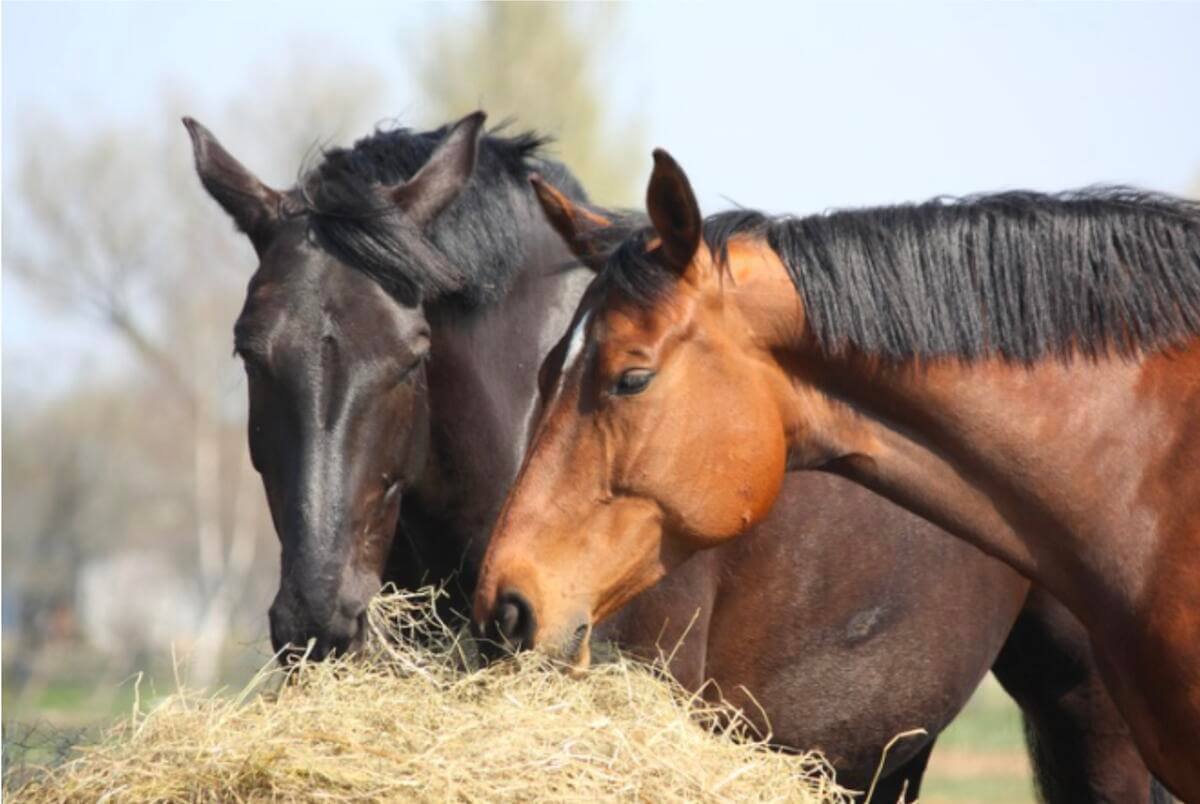
Horse owners often hear the words forage and fibre used interchangeably — but while they’re closely related, they don’t mean exactly the same thing. Understanding the difference helps you make better feeding decisions and ensure your horse’s diet supports optimal gut health, performance, and overall wellbeing.
Forage is a broad term to describe the edible plant material, composed mainly of leaves and stems, that your horse eats. Forage sources include pasture, hay, haylage and chaff. Horses have a minimum forage intake of 1.5% of bodyweight in dry matter per day.
Forage that comes from non-overgrazed pasture, hay or haylage is referred to as “long stem forage”, and is essential for the foundation of a horse’s diet. Long stem forage is defined as being more than 2 inches (5 cm) in length and it’s the form of forage that horses have evolved to eat and that most supports natural grazing behaviour.
Short stem forage options, which include chaff (chopped hay) and some hay cubes, provide some benefits of long stem forage; however, they often don’t support natural grazing behaviour and have reduced chewing time compared with long stem forage. In horses that cannot eat long stem forage due to dental abnormalities, these should be used to replace long stem forage.
Long stem forage is essential for several reasons:
In short, long stem forage is the main ingredient in every good equine diet.
Fibre refers to the structural carbohydrates found in plants, which are mostly cellulose, hemicellulose and lignin. Other types of fibre found in plants can include pectins, gums and mucilage.
Think of fibre like an essential nutrient to the horse, but the exact fibre requirement for horses is unknown and instead, we supply enough fibre in the diet by looking at the more broadly used minimum forage intake.
Horses utilise fibre (via microbial fermentation in their hindgut) to produce energy (and many other by-products) required for body function, maintaining condition and for performance.
Pasture, hay and haylage aren’t the only fibre sources in horse’s diets, with other fibre sources and now commercial feeds based on these fibre sources becoming popular. Often called “high energy fibres” or “super fibres” because they provide good amounts of digestible energy while still supporting healthy gut fermentation — these are excellent for horses needing extra calories without the starch load from grains. Examples of these include beet pulp, soybean hulls, lupin hulls, copra meal and lucerne leaf meal or pellets.
Not all forage and fibre sources can be used interchangeably in equine diets. For example, long stem forage plays a really important role in maintaining digestive function and supporting natural grazing behaviour. We cannot substitute 100% of this forage with other fibre sources such as beet pulp or legume hulls, despite them both being a source of ‘fibre’ — an essential nutrient.
The types of fibre these different forage sources contain are different and act differently in the digestive system. Pasture, hay and haylage are mostly made up of cellulose, hemicellulose and lignin. Lignin is unable to be digested via microbial fermentation yet plays an important functional role, keeping the gut full, holding water and moving dirt through the system. In contrast, beet pulp, legume hulls and even leafy lucerne provide very little lignin, therefore cannot perform the same job.
Instead, these fibres are composed of highly digestible fibre, namely pectin, gums and mucilage. When they enter the hindgut, they are quickly fermented by microbes and very little of this feed is carried through the remainder of the digestive tract. The result is likely to be less gut fill, decreased water holding capacity (hydration) and increased amount of dirt or sand collecting in the gut.
The other key differences between the forage and fibre sources, is the amount of chewing required by your horse to process them into small enough particles to swallow. Stating the obvious, long stem forage takes longer to chew and therefore has the greater production of saliva. Saliva plays an essential role in maintaining stomach health, maintaining the pH and reducing the risk of gastric ulcers. We should always prioritise feeding long stem forage to maximise the time horses spend eating and mimicking that natural grazing behaviour.
Short stem forage and high energy fibre sources can be beneficial in diets for horses, especially horses with higher energy demands that don’t tolerate larger amounts of sugar and starch in diets, but these fibre sources also provide fibre (a nutrient) diversity in diets which is beneficial for hindgut microbial diversity and resilience.
When using FeedXL, always enter your long stem forages such as pasture, hay and/or haylage into your horse’s diet first. Aim to feed a minimum of 1.5% of your horse’s bodyweight in long stem forage per day. Once you’ve achieved this, you can go ahead and add to the diet any other forage (chaff, hay cubes etc.) and high energy fibre products on top of this (like you would any commercial feed).
As well as aiming to feed at least 1.5–2% of your horse’s bodyweight per day in forage, feeding a variety of fibre sources is recommended.
| Long-Stem Forage | Short-Stem Forage | High Energy Fibre | |
|---|---|---|---|
| Examples | Pasture, hay and haylage | Chaff, chopped hay, some hay cubes | Beet pulp, soybean hulls, lupin hulls, copra meal, lucerne leaf meal |
| Chewing Time | Longer chewing time | Less chewing required | Minimal chewing time |
| Saliva Production | High (due to extended chewing) | Lower | Minimal |
| Behavioural Enrichment | Provides natural feeding behaviour | Less stimulating | N/A |
| Importance in Diets | Essential | Optional | Beneficial |
| Purpose in Diets | Encourages chewing over majority of day Provides gut fill Supports natural grazing behaviour Major source of nutrients and fibre (energy) in diets |
Improve palatability of feed Replacement for long-stem forage in horses with dental issues Lucerne/alfalfa products may help with pH buffering of starch fermentation from grain-based feeds in stomach |
Energy source Provide fibre diversity |
Healthy horses start with a diet based on plenty of good-quality long stem forage.
FeedXL members — now’s the perfect time to double-check your horse’s diet.
Log in and review your forage and fibre balance »
Not using FeedXL yet?
Join today to start building scientifically balanced diets for your horse »
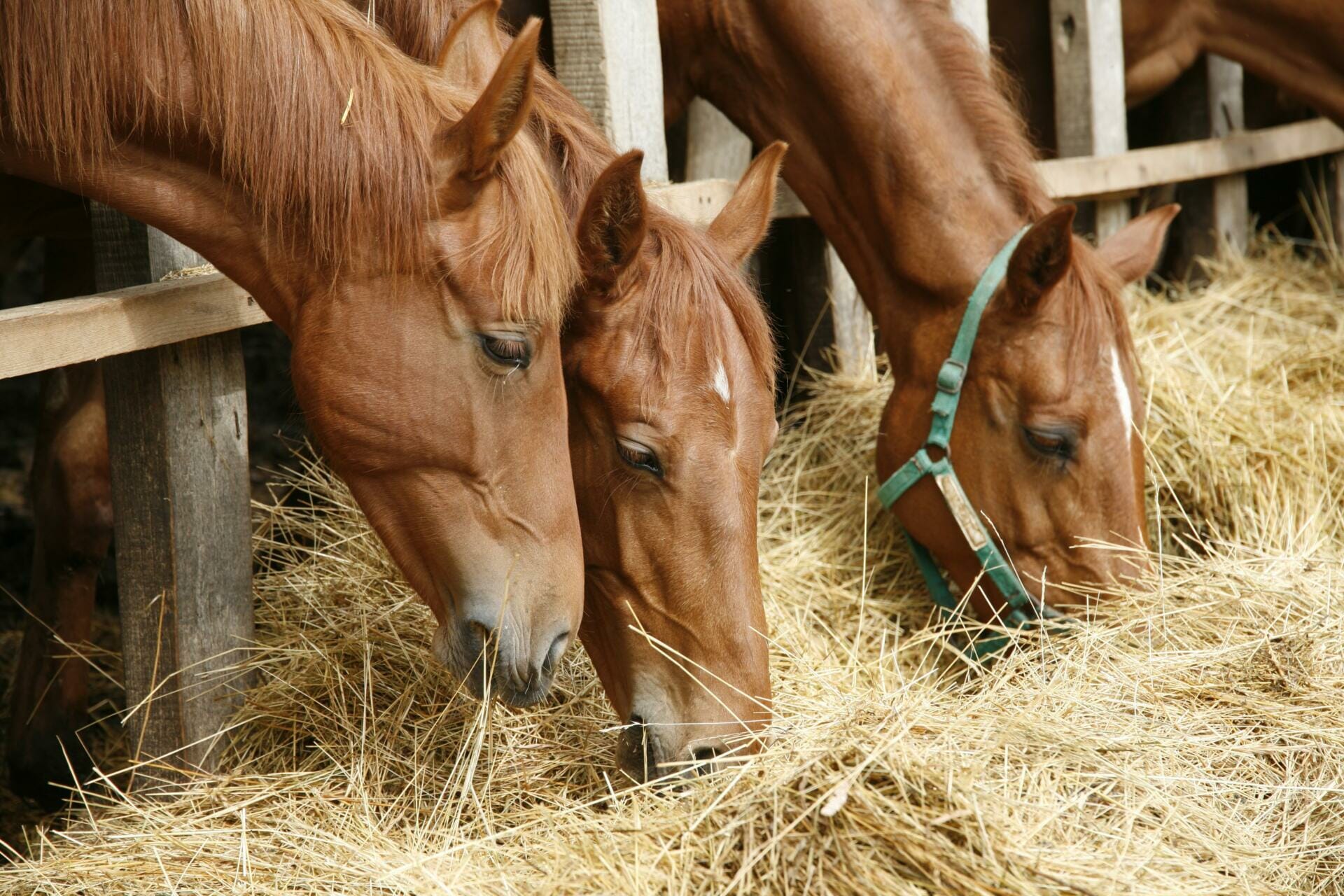
Forage isn’t just an optional extra in your horse’s diet—it is the foundation. At FeedXL, the number one reason a diet fails to meet a horse’s nutritional needs is a lack of sufficient forage. Time and time again, when we analyse diets that are causing issues—whether it’s poor condition, behavioural problems, or digestive upset—the root cause is not enough hay, pasture, or other roughage. So why is forage so critical?
To answer that, we need to go back—way back—to the horse’s origins.
Horses evolved as grazing foragers. In their natural environment, wild horses would roam up to 30 kilometres each day in search of a continuous supply of grass and shrubs. This slow, near-constant foraging served two key purposes:
This evolutionary background means the horse’s entire digestive tract—from their sensitive stomach to the complex microbial fermentation in their hindgut—is built around processing large amounts of fibrous forage.
Fast forward to today, and we see a dramatically different picture. Domestic horses are typically confined to smaller paddocks, or stabled, fed concentrated meals twice a day, and often rely heavily on high-energy feeds or supplements. While modern feeding practices allow us to meet specific energy and nutrient demands (especially in performance horses), they often overlook one critical fact: forage must come first.
At FeedXL, we always start a diet with forage. Why? Because when you get the forage right, you’re solving 80–90% of the nutritional equation. Forage provides:
Even the most perfectly balanced supplement can’t replace the need for good-quality forage.
When horses aren’t getting enough forage—or the quality is too poor—issues can snowball quickly. Some of the most common signs we see include:
In FeedXL, these problems often show up clearly in the analysis—low fibre intake, poor calcium to phosphorus ratios, insufficient vitamin and mineral coverage. Almost always, the first recommendation is to go back to the basics and boost forage levels.
When you create a diet in FeedXL, you’ll notice the very first step is selecting and inputting your horse’s forage—hay, pasture, haylage, or chaff. Everything else is built on top of that. Why? Because:
This forage-first method ensures we’re not using expensive feeds to solve a problem that could be fixed with a simple increase in hay or adjustment to grazing time.
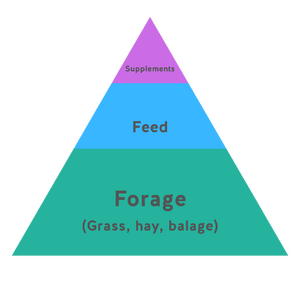
Forage is the foundation of your horse’s diet.
As a general rule, horses should be fed at least 1.5% to 2.0% of their bodyweight in forage per day. For a 500 kg horse, that’s a minimum of 7.5 kg of hay or pasture dry matter daily—and often more. For horses in light work or on a forage-only diet, the figure may be closer to 10–12 kg/day depending on quality.
When entering a diet into FeedXL, pay close attention to your forage weight estimates. If you’re unsure how much your horse is actually eating—whether pasture intake or hay—take the time to weigh hay nets, monitor grazing, or use a pasture intake calculator to get it right.
At FeedXL, our golden rule is simple: Don’t build a diet—build a forage base. Only once the horse’s fibre and forage needs are met do we look at layering in concentrates, grains, or supplements – only if they are required. This approach respects the horse’s natural biology, supports gut health, and leads to far better long-term outcomes—physically, mentally, and nutritionally.
If your horse’s diet isn’t quite working, start by asking: Is there enough forage?
Chances are, the answer lies in the forage, not the feed. Need help figuring out your horse’s forage intake or if your hay is providing enough nutrition?
Log in to your FeedXL account and let us do the hard work for you—starting with forage, as the base.
Not a FeedXL member? Become one today!
Get EVEN MORE practical and personalised feeding guidance when you sign up to FEEDXL.SIGNUP TO FEEDXL NOW
We would love to welcome you to our FeedXL Horse Nutrition Facebook Group. Ask questions and have them answered by PhD and Masters qualified equine nutritionists and spend time with like-minded horse owners. It’s free!
Click here to join the FeedXL Horse Nutrition Facebook Group

There is ongoing debate within the equine community regarding whether water-soluble carbohydrates (WSC) or ethanol soluble carbohydrates (ESC) hold greater significance when evaluating the safety of forages and feeds for horses prone to laminitis. When discussing or calculating non-structural carbohydrates (NSC) in a diet, FeedXL opts for the inclusion of (WSC) along with starch to determine NSC.
Here’s the rationale behind this choice. WSC encompasses simple sugars as well as fructans, whereas ESC solely represents the measurement of simple sugars. Previously, it was believed that hindgut acidosis, resulting from fructan fermentation, was the primary cause of pasture-associated laminitis, similar to the effect of starch in grain overload. However, through research, it has been discovered that sustained high insulin levels are responsible for pasture-associated laminitis. Nevertheless, can we conclude that the absorption of simple sugars, as measured by ESC, is solely responsible for the insulin response? While simple sugars directly impact insulin levels, there are two potential ways in which fructans could also influence the insulin response.
Firstly, fructans are carbohydrates with varying chain lengths, consisting of fructose sugar molecules joined together with a glucose molecule at the end. Although most of these fructose bonds are not broken down by a horse’s enzymes, it is believed that some fructans, particularly the shorter chain ones, may undergo acid hydrolysis in the stomach or microbial fermentation in the small intestine. This process produces simple sugars, namely fructose and glucose, which can be absorbed by the horse and contribute to an insulin response.
Secondly, undigested fructans pass into the hindgut, where they undergo rapid fermentation. This fermentation leads to a significant increase in bacteria that preferentially ferment fructans, resulting in the production of lactic acid. The change in hindgut environment, becoming more acidic, causes a shift in microbial populations and reduces the diversity of microbes, including the desirable fiber-fermenting ones. While research in this area is still in its early stages, it is plausible that hindgut microbes can influence the insulin response, similar to humans.
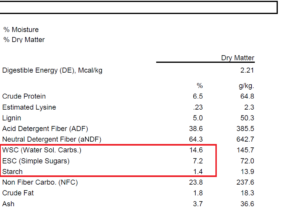
Using ESC to calculate NSC may underestimate NSC and ignore fructans, potentially putting your horse at risk.
Hence, FeedXL recommends and uses the more conservative approach by considering WSC when examining the NSC component of forages (NSC = WSC + Starch). This approach is more conservative because WSC values are consistently higher than ESC values and still aligns with the principle of minimizing insulin spikes by limiting dietary simple sugars. Additionally, by maintaining low fructan levels in the diet, the negative impact on hindgut microbial populations caused by fructan fermentation is minimized, indirectly influencing the insulin response.
We would love to welcome you to our FeedXL Horse Nutrition Facebook Group. Ask questions and have them answered by PhD and Masters qualified equine nutritionists and spend time with like-minded horse owners. It’s free!
Click here to join the FeedXL Horse Nutrition Facebook Group
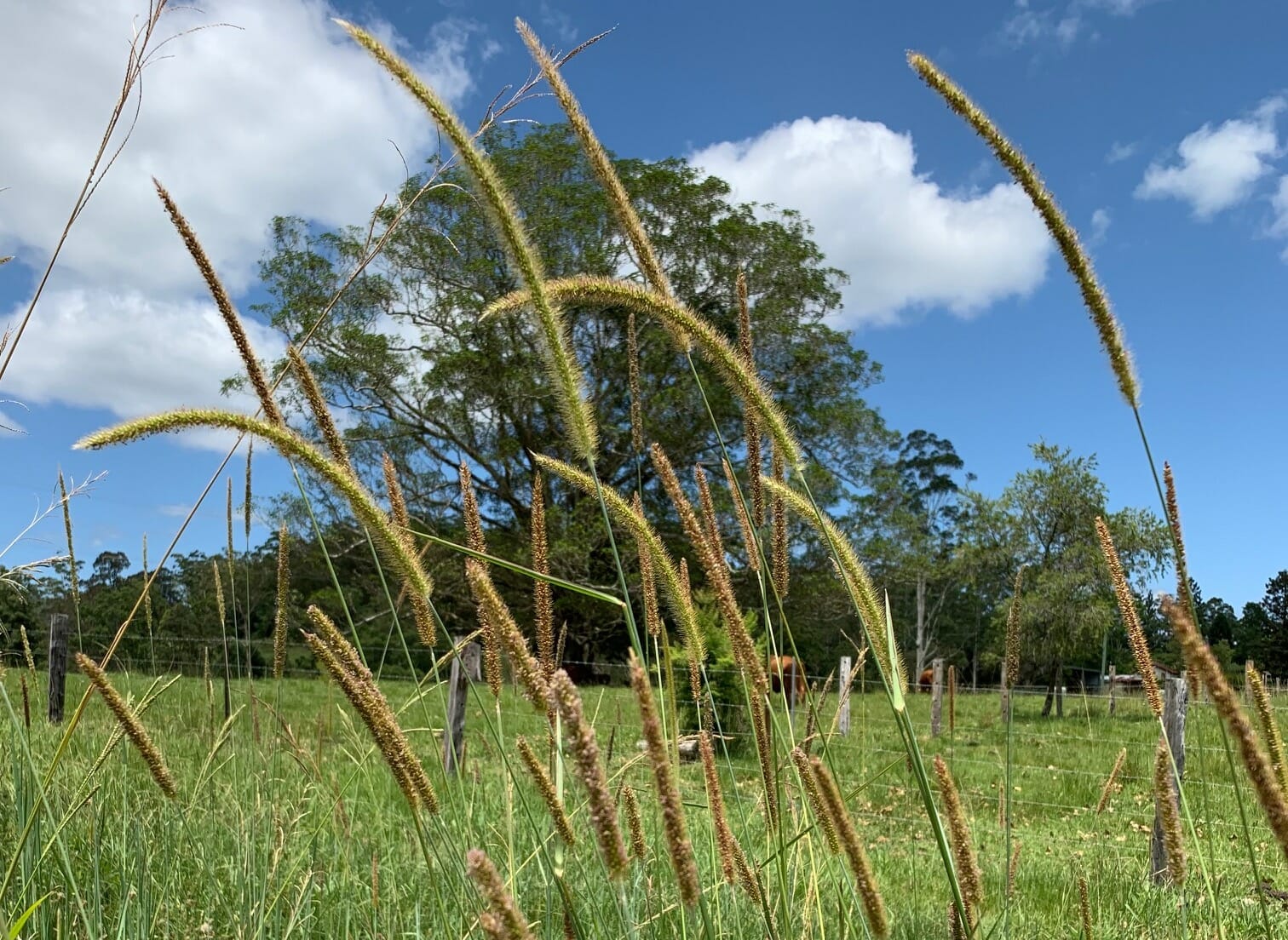
We all know that forage should be a key component of your horse’s diet, but not all pasture is created equally. With pasture sometimes forming the majority, if not all, of our horse’s diets, it’s important to enter pasture quality as accurately as you can in FeedXL.
Pasture quality corresponds with the amount of digestible energy, crude protein, macro minerals and vitamins your pasture is providing. Therefore, pasture quality determines what else you may (or may not) need to supply in your horse’s diet to meet their nutritional requirements.
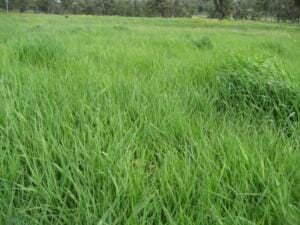
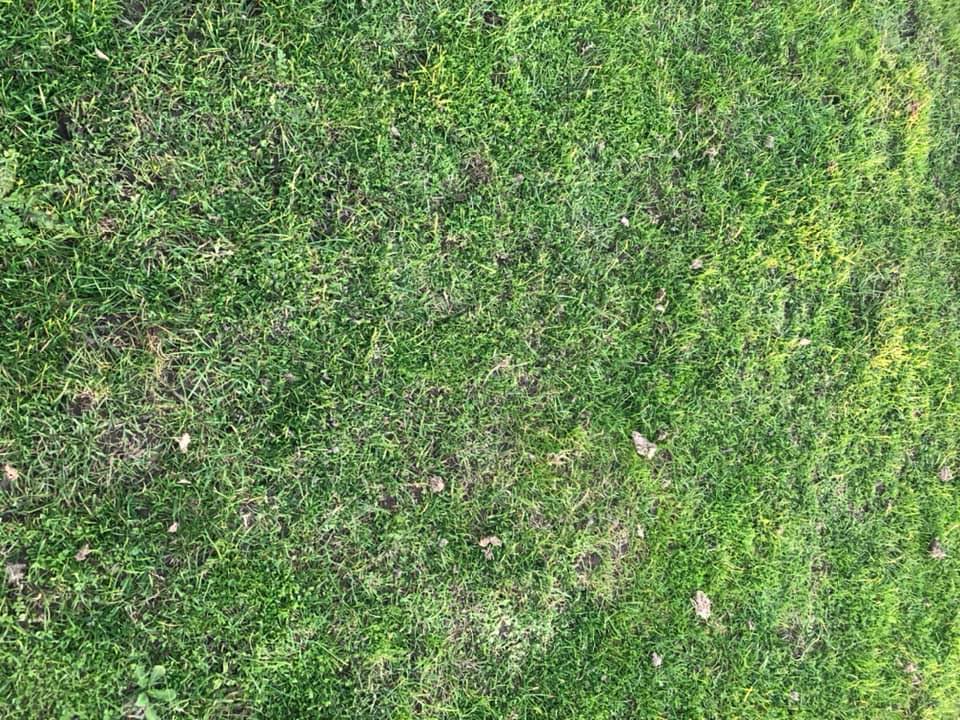
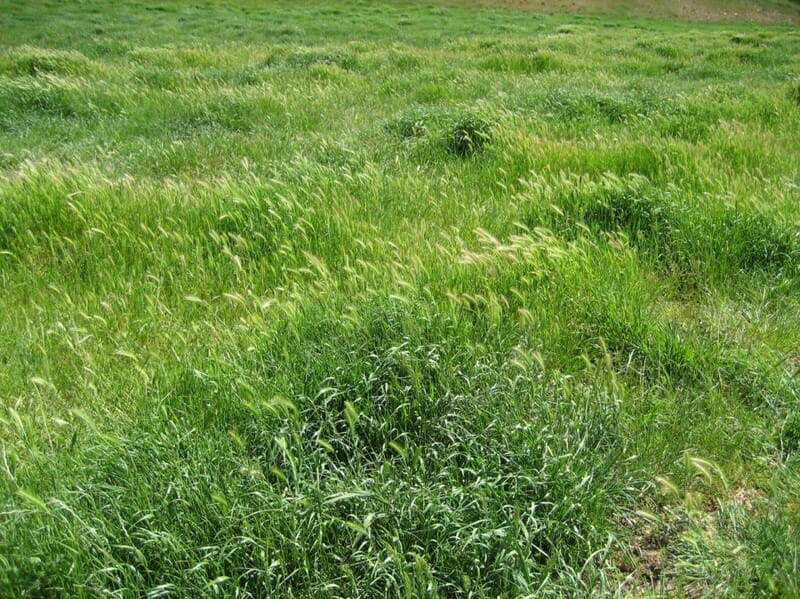
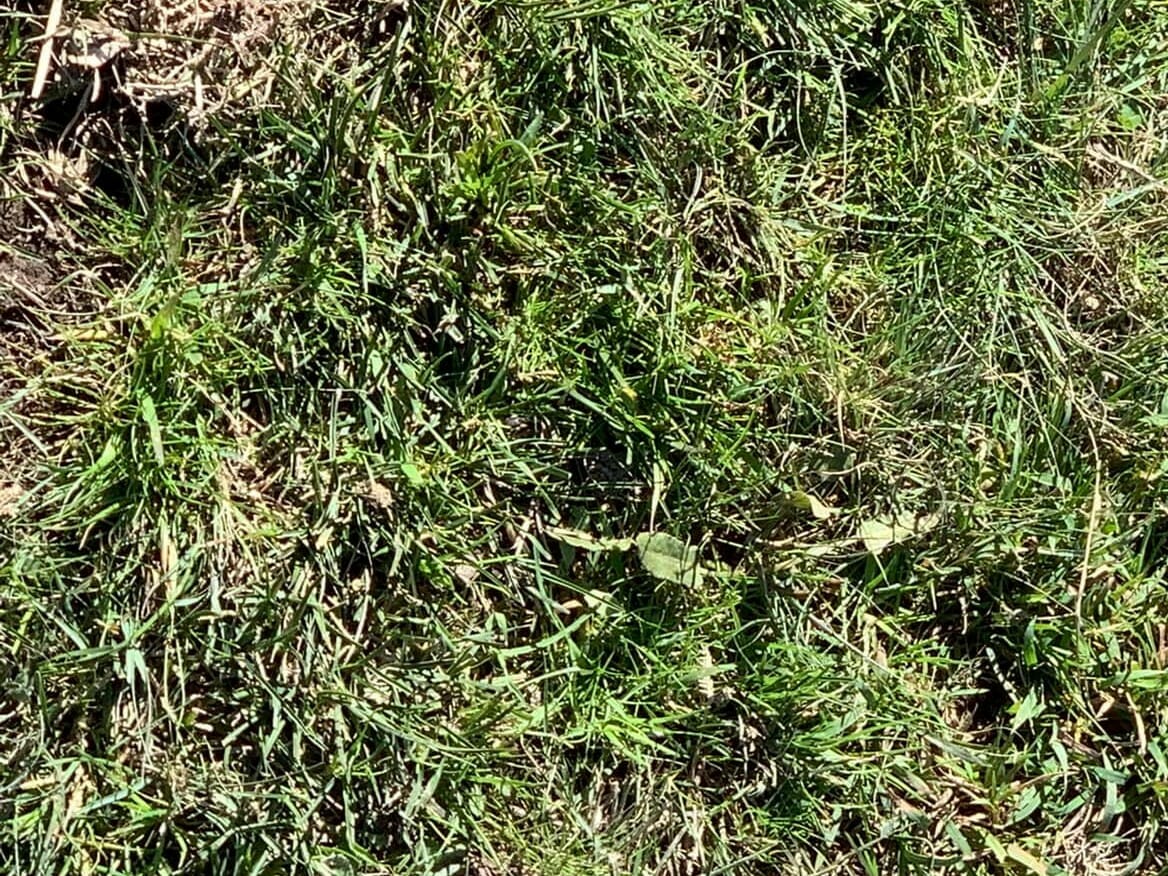
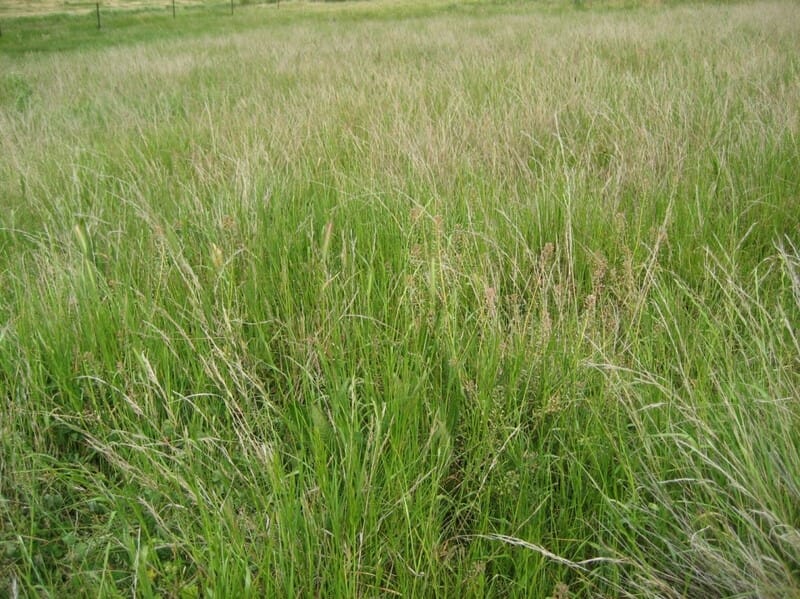
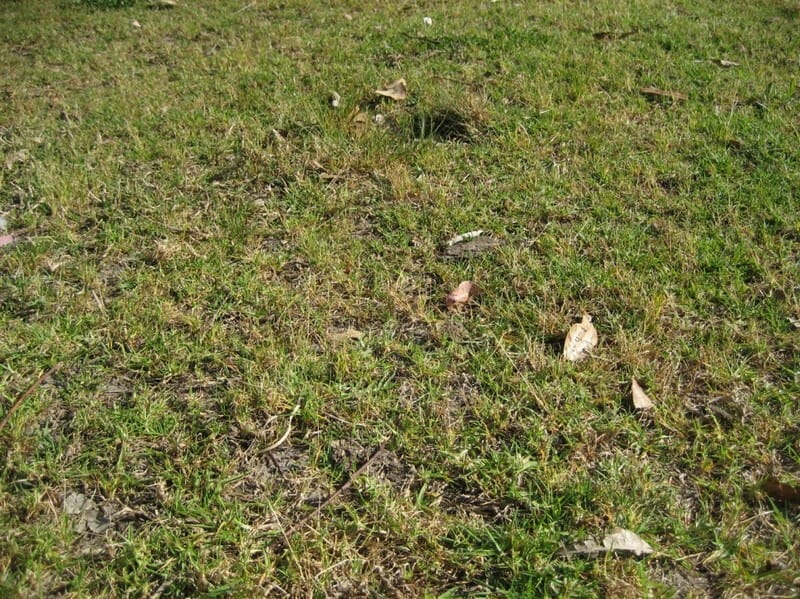
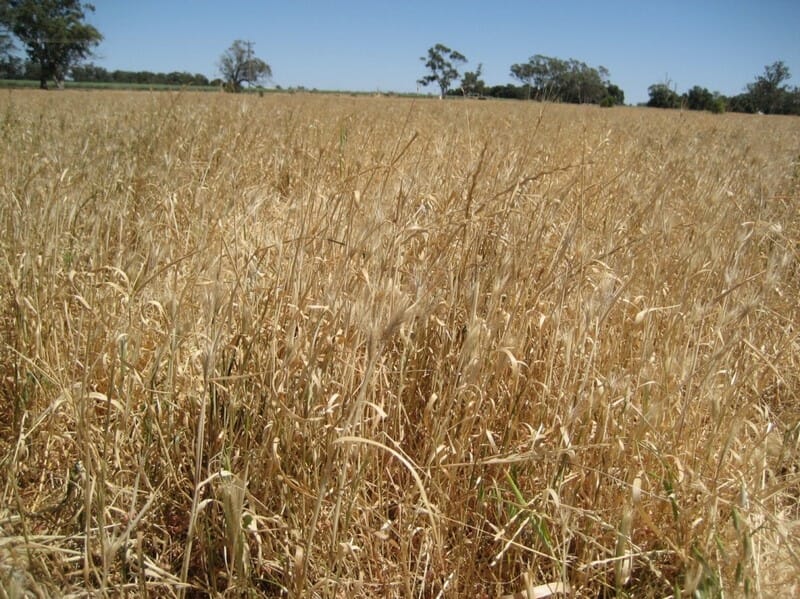
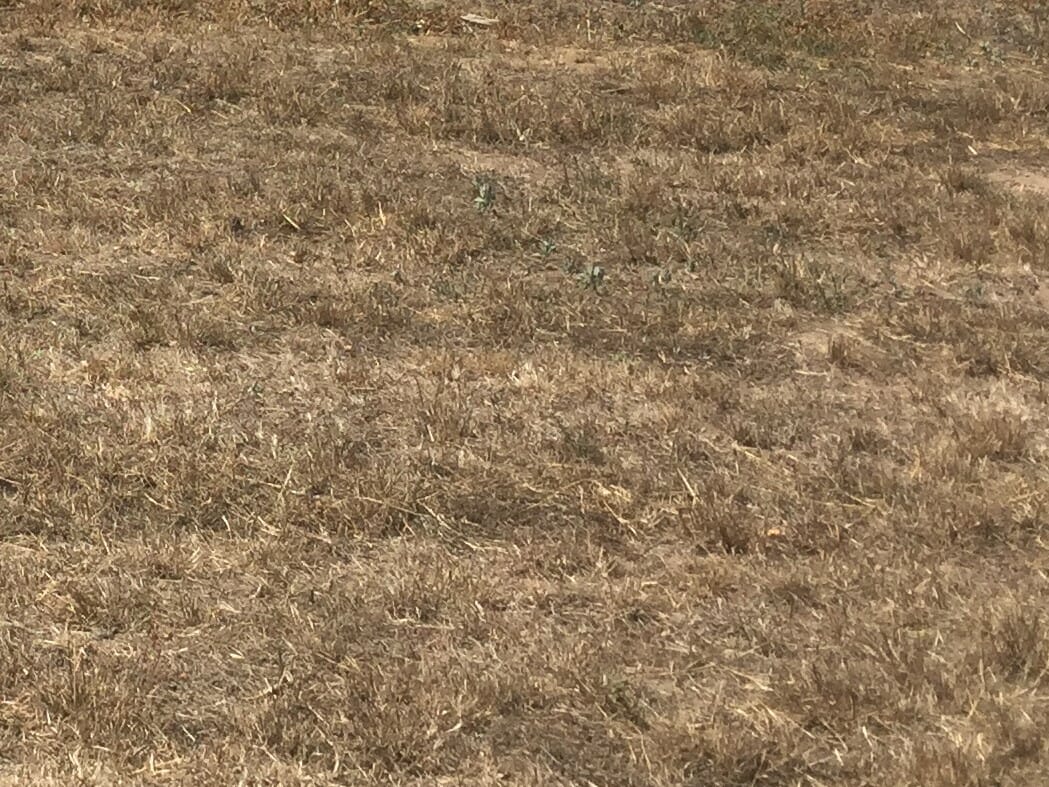
We like to keep it simple when it comes to deciding pasture quality – by looking at colour and presence or absence of seed heads (this is basically the stage of maturity of your grass). Be sure to note that when pasture is overgrazed (less than 1 inch in height), it’s unlikely you’ll see any seed heads, therefore colour is your major guide.
So, next time you’re entering your pasture use the definitions and images below to help you determine quality.
Pasture Quality |
Overgrazed |
|
Excellent
|
 |
 |
Good
|
 |
 |
Average
|
 |
 |
Poor
|
 |
 |
We would love to welcome you to our FeedXL Horse Nutrition Facebook Group. Ask questions and have them answered by PhD and Masters qualified equine nutritionists and spend time with like-minded horse owners. It’s free!
Click here to join the FeedXL Horse Nutrition Facebook Group
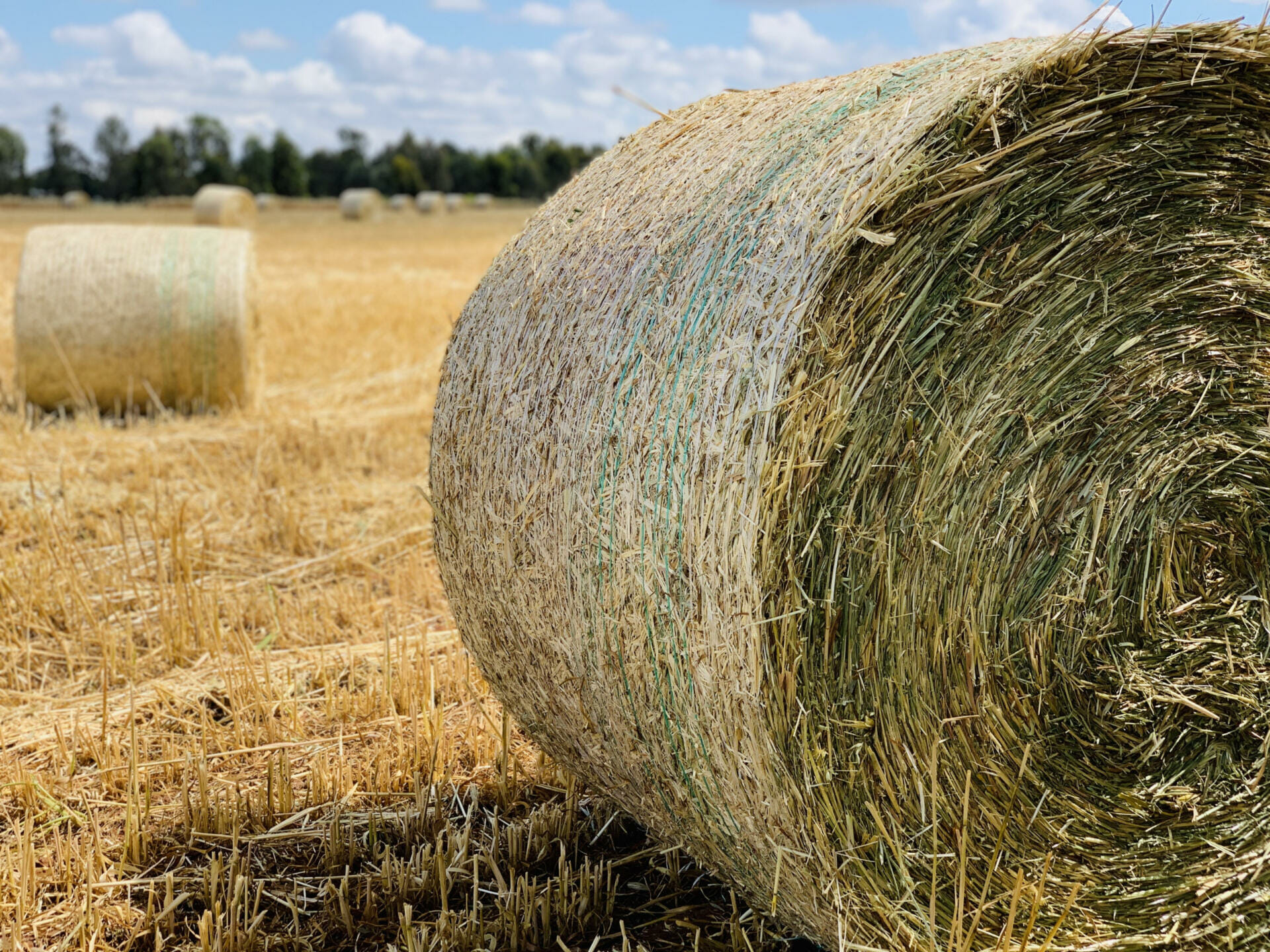
Oaten hay is commonly fed to horses. Recent research by Jackson et al (2018)1 suggests however that we should be cautious with oaten hay as it may be negatively affecting our horses’ dental health!
Dr Kirsten Jackson (https://dentalvet.com.au) and her co-researchers found in a study of 500 Western Australian horses, that oaten hay was significantly associated with an increased incidence of dental caries (tooth decay).
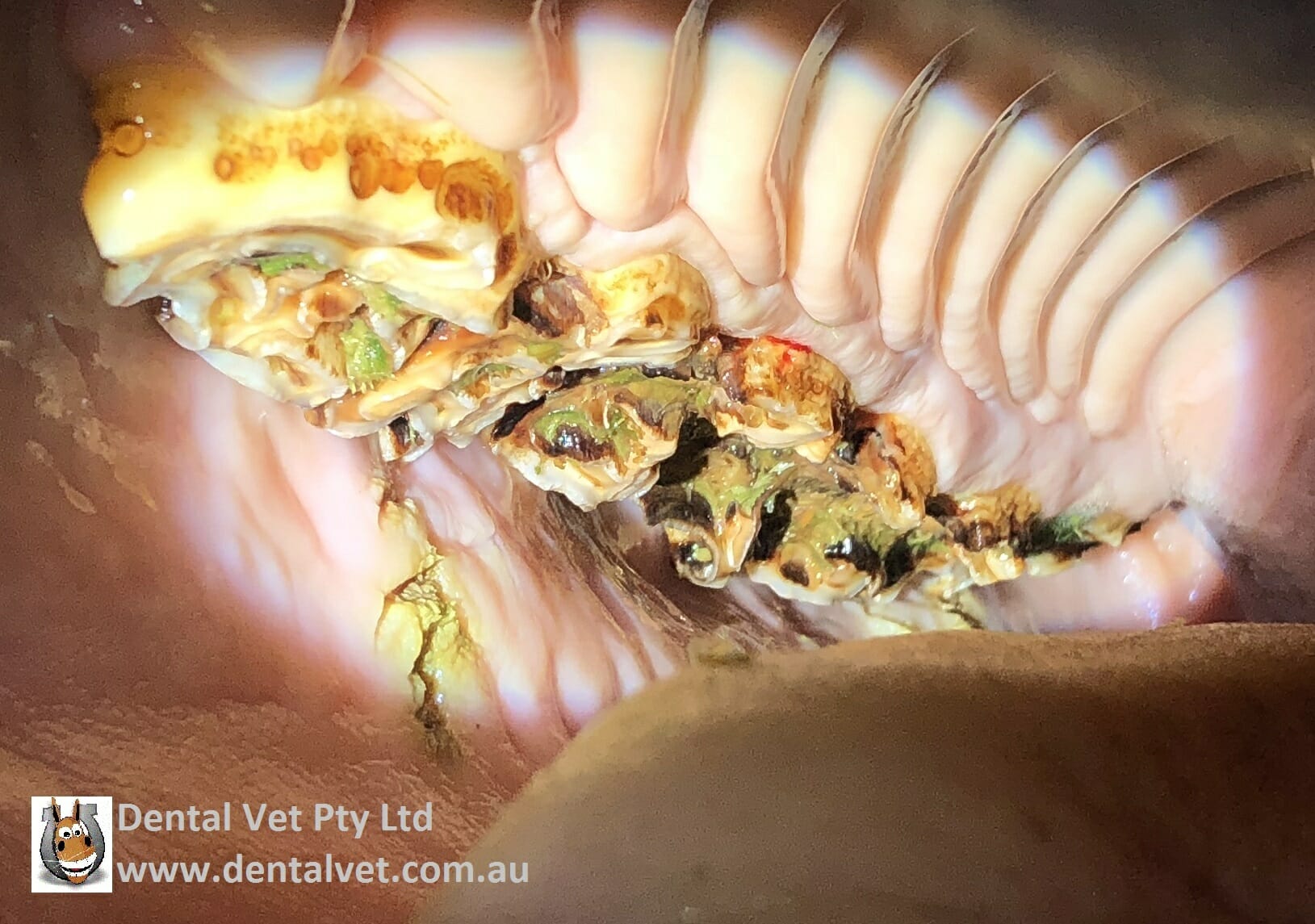
Image credit: Dr Kirsten Jackson (https://dentalvet.com.au)
Dental caries form when bacteria in your horse’s mouth metabolise sugars in the hay/ feed and produce the by-product of acid. This acid demineralises the teeth causing decay which in horses generally means the outer layer (cementum) is stripped from the teeth.
Because oaten hay can be so high in water soluble carbohydrates (WSC; also loosely called ‘sugars’) the oaten hay feeds the oral bacteria, a lot… and then they produce a lot of acid… and the acid demineralizes (eats away) the hard part of the teeth.
It is thought that the near constant supply of sugars to the bacteria in the mouth when a horse has constant access to oaten hay, and therefore the prolonged periods of exposure of the teeth to the acids produced by the bacteria is what puts horses on oaten hay at higher risk of disease.
Dr Jackson reports that in the same study it was found that a meadow hay based diet was protective. And horses with access to good quality grazing all year round were less likely to have peripheral caries than horses that had no access to grazing.
Other similarly high WSC hays like ryegrass hay and other cereal hays like barley and wheaten hay will potentially put horses at the same risk as oaten hay.
The good news is that because a horse’s teeth are constantly erupting, and the acid produced when high WSC hay is fed only affects the part of the tooth that is physically exposed to it (so the tooth below the gumline remains unaffected), dental caries can be treated.
Jackson et al 2021 showed that when oaten hay was swapped for a lower WSC meadow hay, it allowed teeth to start to recover.
The authors note that full recovery generally takes around 2 years.
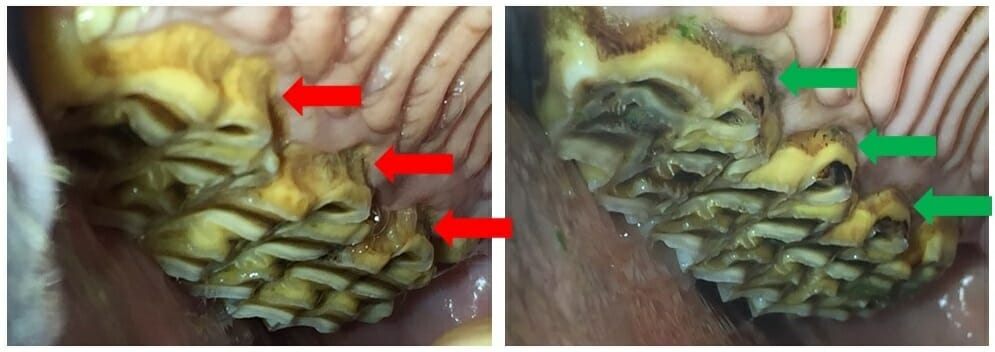
Image credit: Dr Kirsten Jackson (https://dentalvet.com.au)
Not necessarily. It seems in this study that it was horses with free access to oaten hay that were most affected.
If you are in an area where other type of hay is difficult to source and using SOME oaten hay helps to get you through, then using some, mixed with a variety of other hays and/or access to pasture is potentially OK.
Also not all horses on oaten hay were affected so there is some individual variability in susceptibility to the caries so some horses can be ok on oaten but if your horse has caries it is best to avoid it. If your horse is on oaten hay and this can’t be avoided it is probably a good idea you have regular veterinary dental examinations conducted every 6 months.
If you are spoilt for choice with hay and can avoid oaten hay, you are probably best to avoid it completely… especially if you have a thoroughbred as they were also shown to be at higher risk!
1. Jackson, K., E. Kelty, and M. Tennant, Equine peripheral dental caries: An epidemiological survey assessing prevalence and possible risk factors in Western Australian horses. Equine Vet J 2018. 50(1):79-84.
2. Jackson, K., E. Kelty, and M. Tennant, Retrospective case review investigating the effect of replacing oaten hay with a non-cereal hay on equine peripheral caries in 42 cases. Equine Vet J 2021. 53(6):1105-1111.
We would love to welcome you to our FeedXL Horse Nutrition Facebook Group. Ask questions and have them answered by PhD and Masters qualified equine nutritionists and spend time with like-minded horse owners. It’s free!
Click here to join the FeedXL Horse Nutrition Facebook Group
Straw is gaining favouritism among nutritionists and horse owners as part of diets for easy keepers. It allows energy intake of the diet to be reduced without drastic restriction in a horse’s daily feed intake.
This strategy is thought to improve the welfare of easy keepers and reduce the risk of colic and gastric ulceration, all common issues seen with feed restriction.
The main findings in the study (Jansson et al 2021) were that the 50% straw diet had:
It is now widely accepted that horses should be eating a minimum of 1.5% of their bodyweight in forage per day (dry matter basis). This supports natural behaviour and minimises the risk of health complications such as gastric ulcers and colic.
However, for some easy keepers, this amount of forage alone can exceed energy requirements. Therefore, replacing some higher energy forage in the diet with low energy straw can allow owners of easy keepers to reduce the energy content of the diet without restricting intake below 1.5% of bodyweight.
More bulk. Less energy! Happier horses!!
A previous study published in 2009 reported the incidence of gastric ulcers (both glandular and squamous) was increased in horses fed straw as their only roughage source. The authors (many of which are the same authors on the above-mentioned paper) suggested that mechanical damage, changes in the gastric contents, specifically the fibre ‘mat’ that forms in the stomach, and reduced buffering capacity due to low calcium and protein content of straw could have been the cause.
However, in the present study the severity and incidence of gastric ulcers decreased over the study period (2 x 21 days). This suggests that including up to 50% of the forage in diets as straw does not increase the risk of gastric ulceration.
And in fact the slower intake of straw is likely to be a good strategy for ensuring horses don’t go longer than 4 hours without feed. Which should then act to reduce the risk of ulcers.
The 50% straw diet offered in 2021 study contained the same amount of energy as the haylage only diet. This meant that horses on the straw diet were receiving more forage (based on dry matter) than the haylage diet.
However, the researchers found that the horses on the straw diet actually had leftovers which resulted in them consuming less energy each day (10.7MJ per 100kg bodyweight) compared with the haylage group (12.4MJ per 100kg bodyweight).
This suggests that because horses are ‘fuller’ or more satisfied on the straw diet, they are likely to eat less forage which may decrease energy intake without the need for intake restriction.
Another benefit of the 50% straw diet was that horses spent more time eating each day compared with the haylage only diet. The authors calculated that the horses on the straw diet spent 11.2 hours per 24 hours eating whereas the control diet horses spent 6.2 hour per 24 hours eating – an 80% difference!
The most likely explanation is differences in palatability or some physiological response as the NDF (measure of the cell wall components such as hemicellulose, cellulose and lignin) content of the two diets was very similar – NDF content is correlated to intake.
The authors noted that interestingly, the horses on the straw diet spent more time pausing their feed intake whereas the haylage diet was consumed almost at all at once.
Many easy keepers are at increased risk of laminitis. It is therefore in our best interest to feed a low sugar and starch diet which limits glucose and insulin responses.
In the present study, the insulin response was lower on the 50% straw diet than the haylage only diet. The total water-soluble carbohydrate (WSC) intake was significantly lower for the straw diet (60g vs. 75g per 100kg bodyweight) so this was not unexpected but does highlight another possible advantage of including straw in diets.
Be mindful that this cannot necessarily be generalised for all straw and analysis is recommended to determine the actual starch and WSC content of any straw you might consider using.
Also interesting to note that the grass forages used in this study were by no means high in WSC, being 7.7% and 4.9%, as compared with the straw being 0.8%.
This is super interesting and the authors offered the explanation that chewing more and being more satisfied from a hunger perspective is potentially increasing serotonin levels and may be the reason why horses are eating less and taking more pauses between eating when offered the 50% straw diet.
It is well known in humans that spending longer chewing meals reduces hunger levels, with chewing stimulating serotonin.
The present study showed no difference in gut sounds between the haylage only diet and the diet with 50% inclusion of straw over the 21-day study periods. Nor did the moisture content of the manure vary between the two groups.
A lack of fecal moisture (or in other words, the presence of dry manure) may indicate increased risk of impaction colic. The authors noted that certain individuals and even some breeds are more prone to impactions and owners should be cautious.
All changes in forages should be made gradually over several weeks to minimise the risk of colic providing a chance for fibre digesting bacteria to adapt.
Using straw in diets can add another string to our bow for managing the weight and seemingly insatiable appetite of easy keepers.
The results of this study suggest that inclusion of up to 50% of the forage ration as straw does not cause gastric ulcers and may in fact improve the welfare of easy keepers by reducing energy intake on ad lib hay and prolonging the time they spend eating.
Straw in effect lets us feed more bulk, while providing less energy. And keeps our horses fuller, happier, chewing for longer and less stressed!
You might also be interested in our article ‘Using Straw to Achieve Weight Loss in Horses’.
Full article https://www.mdpi.com/2076-2615/11/8/2197
Jansson, A., Harris, P., Davey, S.L., Luthersson, N., Ragnarsson, S.and Ringmark, S. Straw as an Alternative to Grass Forage in Horses—Effects on Post-Prandial Metabolic Profile, Energy Intake, Behaviour and Gastric Ulceration. Animals, 2021, Issue 11, Volume 8, Pages 2197-2211.
We would love to welcome you to our FeedXL Horse Nutrition Facebook Group. Ask questions and have them answered by PhD and Masters qualified equine nutritionists and spend time with like-minded horse owners. It’s free!
Click here to join the FeedXL Horse Nutrition Facebook Group