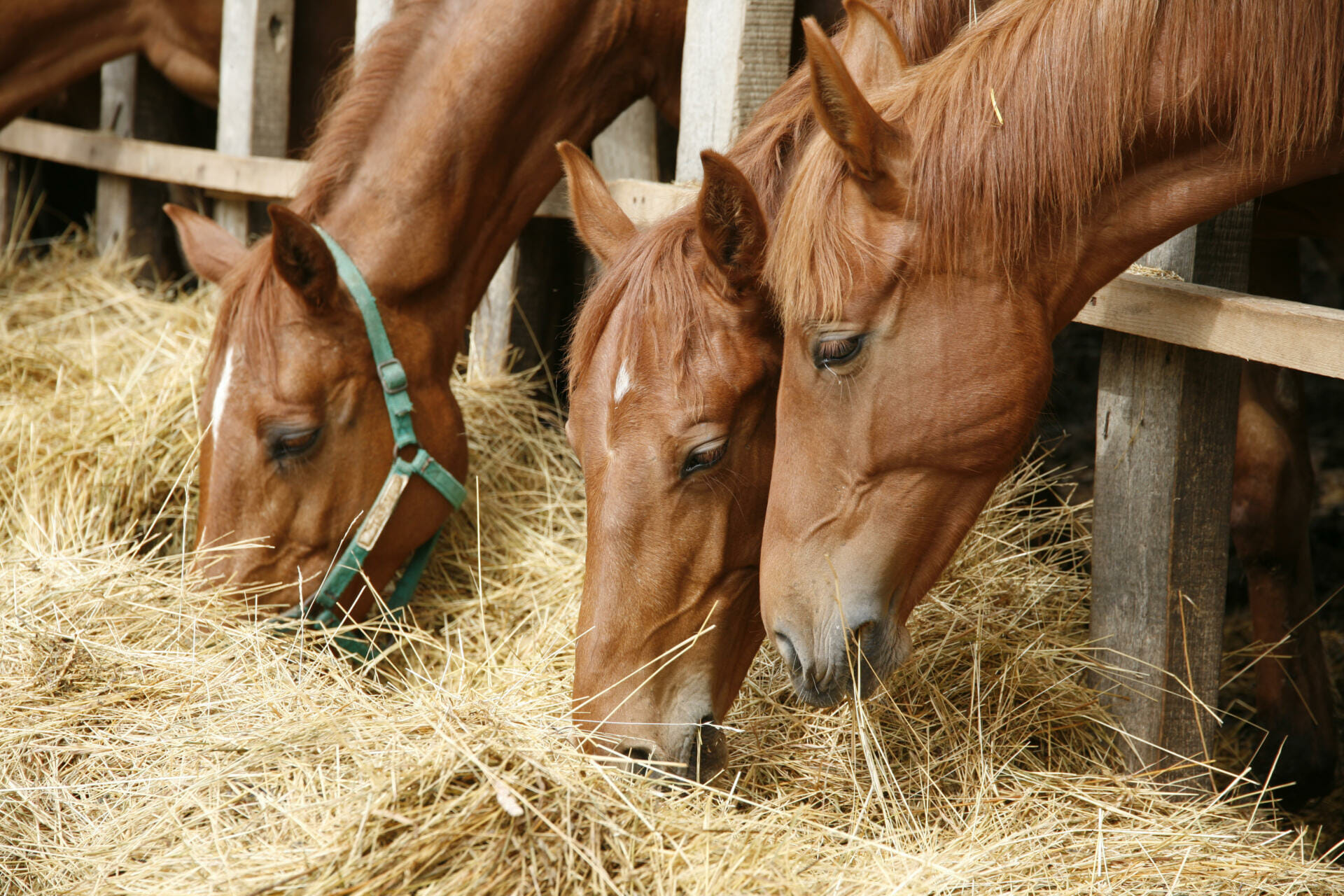
Winter has arrived across the Southern Hemisphere, and for many horse owners the focus shifts to keeping weight on, managing rugs, and making sure hay supplies are adequate.
But beneath these visible seasonal changes, something else is happening.
As pasture growth slows and nutritional quality declines, some of the most important nutrients in your horse’s diet can quietly begin to fall short. The challenge is that deficiencies rarely announce themselves immediately. Instead, they develop gradually, often showing up as subtle changes in coat quality, hoof health, recovery, behaviour, or overall wellbeing.
At FeedXL, we regularly analyze horse diets from across Australia, New Zealand, and South Africa and see the same winter pattern emerge year after year.
Three nutrients deserve particular attention during winter:
Let’s look at why they matter and why winter can increase the risk of deficiency.
Vitamin E is one of the most commonly overlooked nutrients in winter horse diets.
The reason is simple: fresh green pasture is the horse’s primary source of vitamin E.
The greener and more actively growing the pasture, the more vitamin E it typically contains.
Unfortunately, winter often brings:
This creates the perfect conditions for vitamin E intake to decline.
Many owners assume hay provides the same nutrients as the pasture it was made from.
When it comes to vitamin E, that’s not the case.
Vitamin E begins degrading rapidly once forage is cut and dried. Research suggests hay can lose a substantial proportion of its vitamin E content within the first few weeks of storage. After several months, very little bioavailable vitamin E may remain.
As a result, horses relying heavily on hay can consume significantly less vitamin E than expected.
Vitamin E is a fat-soluble vitamin, meaning it can be stored in body tissues.
This allows horses to draw on reserves built up during spring and summer, which is why deficiency often develops gradually.
A horse may enter winter with adequate stores and appear perfectly healthy for months. By mid-winter, however, those reserves may be depleted without obvious warning signs.
Early signs can include:
Because these signs are often subtle, vitamin E deficiency frequently goes unnoticed until it has been present for some time.
If additional vitamin E is required, the form matters.
Natural vitamin E (d-alpha-tocopherol) has been shown to be more effective at raising blood vitamin E levels than synthetic vitamin E (dl-alpha-tocopherol).
When comparing supplements, it’s worth checking which form is being used.
Copper plays a critical role in many aspects of equine health.
It is involved in:
Yet copper deficiency remains relatively common in Southern Hemisphere horse diets, particularly when forage quality declines.
Copper deficiency often shows up as:
Many owners simply assume these changes are part of winter, when in reality nutrition may be playing a role.
Zinc and copper are closely linked.
Not only do they perform many complementary functions within the body, but they also compete for absorption in the digestive tract.
This means that looking at one without considering the other can create problems.
A horse may appear to be receiving adequate copper, but excessive zinc can reduce copper absorption. Likewise, deficiencies in both minerals often occur together.
Zinc supports:
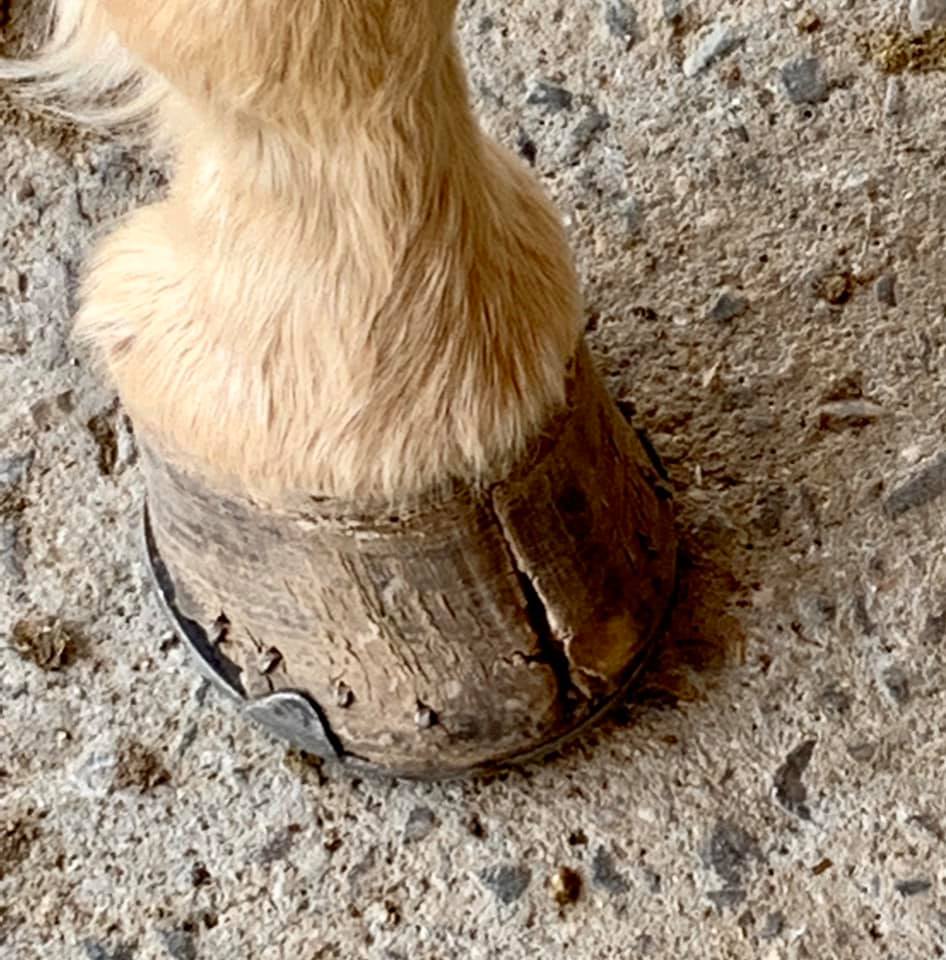
Because zinc is heavily involved in rapidly growing tissues, deficiencies often show up first in the hooves, skin, and coat.
Common signs include:
During wet winter conditions, adequate zinc becomes even more important as horses face increased challenges from mud, moisture, and skin infections.
One of the biggest mistakes horse owners make is supplementing individual minerals without understanding the overall diet.
Copper and zinc work best when both intake levels and their ratio are appropriate.
Adding a supplement without knowing what’s already being provided by pasture, hay, feeds, and existing supplements can create imbalances rather than solving them.
That’s why assessing the entire diet is so important.
If your horse is:
Now is a good time to review their vitamin and mineral intake.
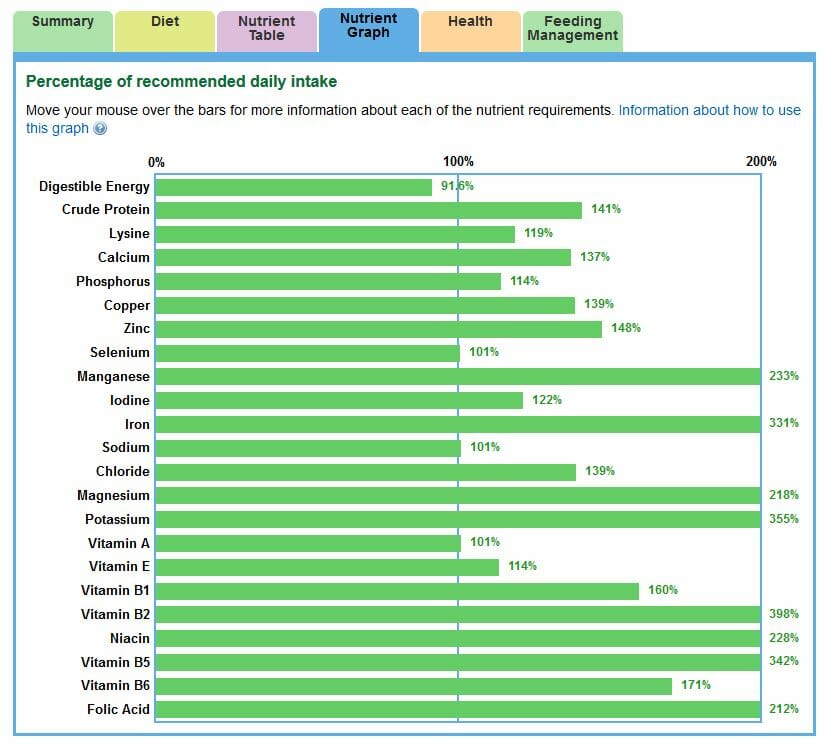
Winter diets can look adequate on the surface while still falling short in key nutrients.
Vitamin E, copper, and zinc all share something important.
Deficiencies often develop quietly. Most horses won’t wave a flag to tell you there’s a problem. Instead, they’ll show subtle signs that are easy to attribute to winter itself.
The good news is that once you can see what’s happening in the diet, these gaps become much easier to address.
A targeted supplement, fed at the right dose and based on your horse’s actual requirements, is far more effective than guessing.
Winter is the ideal time to update your horse’s diet in FeedXL.
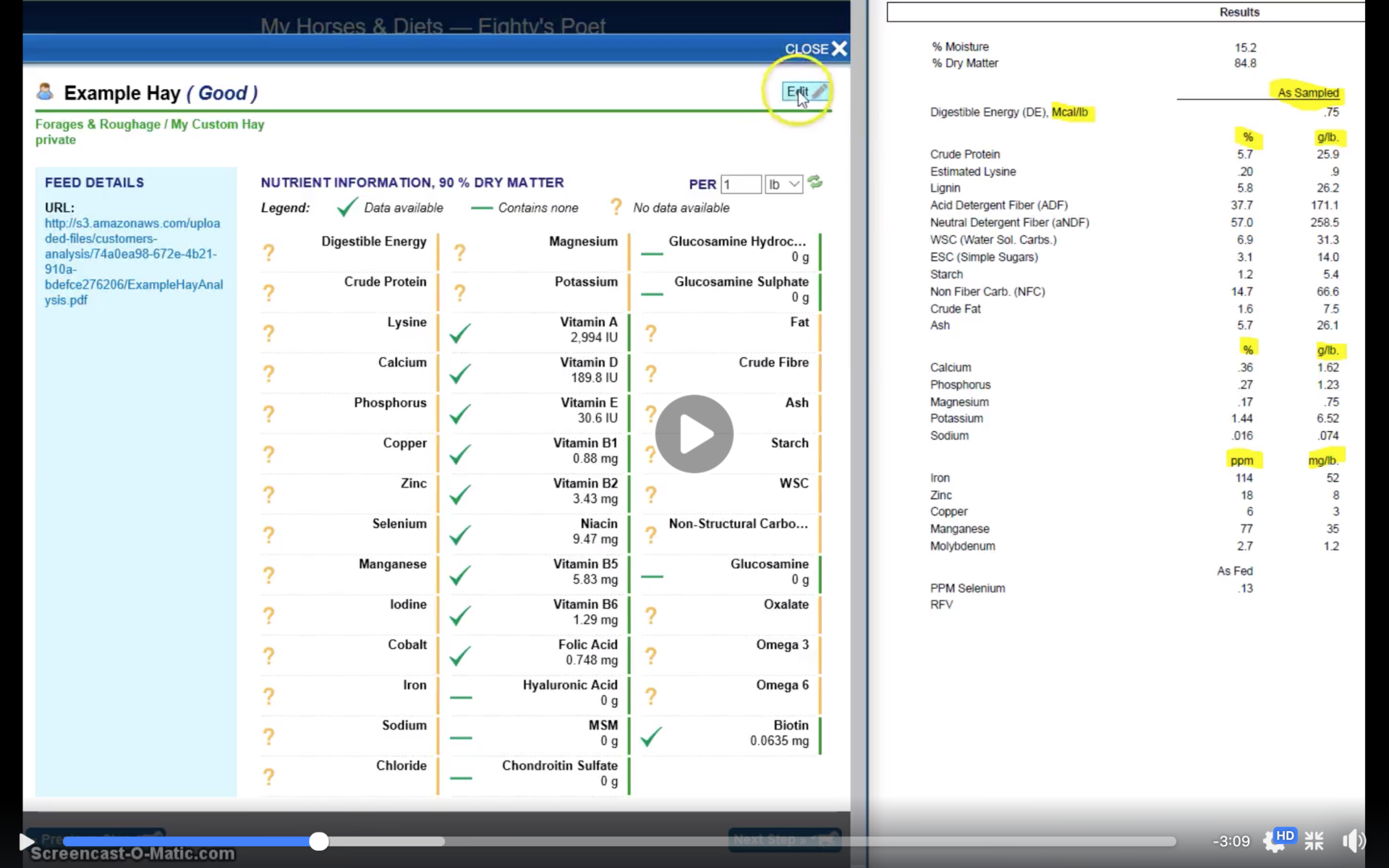
Add your current hay, pasture conditions, feeds, and supplements, then review the vitamin and mineral analysis.
You may discover your horse’s diet is already meeting requirements. Or you may uncover nutritional gaps that are easy to address before they begin affecting health, performance and wellbeing.
FeedXL members — now’s the perfect time to double-check your horse’s diet.
Log in and review your forage and fibre balance »
Not using FeedXL yet?
Join today to start building scientifically balanced diets for your horse »