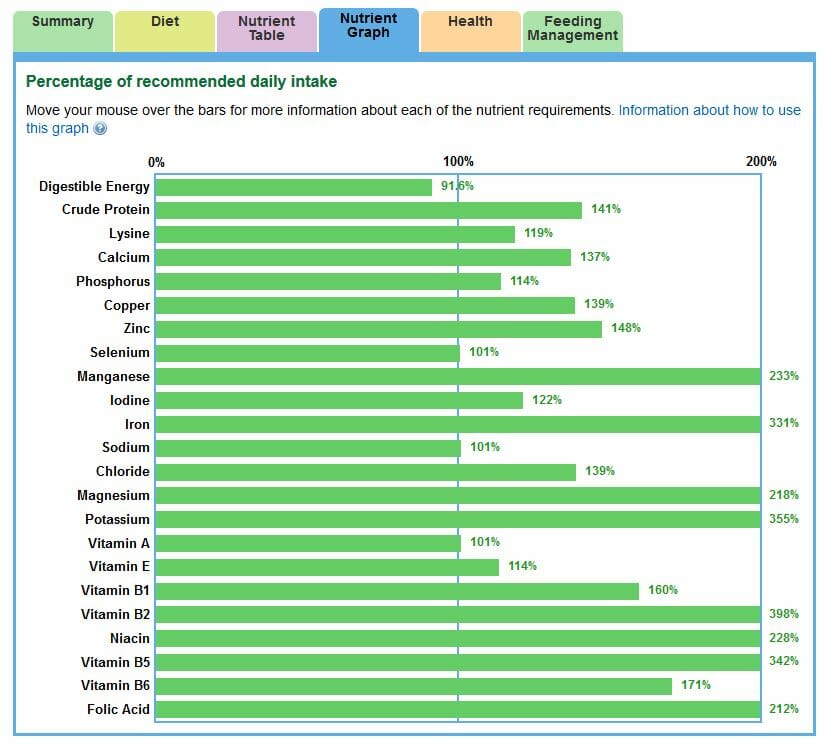
The answer is the reason why so many of us don’t just have problems with our horses, we have disasters. Mineral deficiency, especially chronic, long-term deficiency, is a huge issue in horse nutrition and tends to go unnoticed until something goes horribly wrong.
The best analogy is to think about pests like white ants – their presence often goes unnoticed until they have done so much damage to the structure of the building that things literally start to fall apart. Once you can see the damage, the issue is serious.
Which means that just because you can’t see a mineral deficiency in your horse doesn’t mean that one doesn’t exist. In fact, if you are not supplementing your horse correctly, either with carefully chosen fortified feeds or vitamin/mineral supplements, it is almost certain that your horse will be deficient in something that will eventually cause a health issue.
The good news is that all of these nutrition-related deficiency issues are so easily avoided. Instead of spending several months (and often several thousand dollars) fixing the problems caused by the deficiency, you can just prevent the deficiency and therefore prevent the issue.
This list could go on and on and these symptoms may take several months or years to show up, but will cover many of the issues that you will see. Unfortunately, we also often try to treat the symptom before we treat the underlying cause. So good nutrition must always go hand in hand with any treatments given to these horses. For example, it’s virtually no use using a joint supplement when a diet is chronically copper and zinc deficient. Every horse’s diet, almost without exception, needs some sort of vitamin and mineral support. And if they don’t receive that support, one or more of these issues will start to show up in your horse.
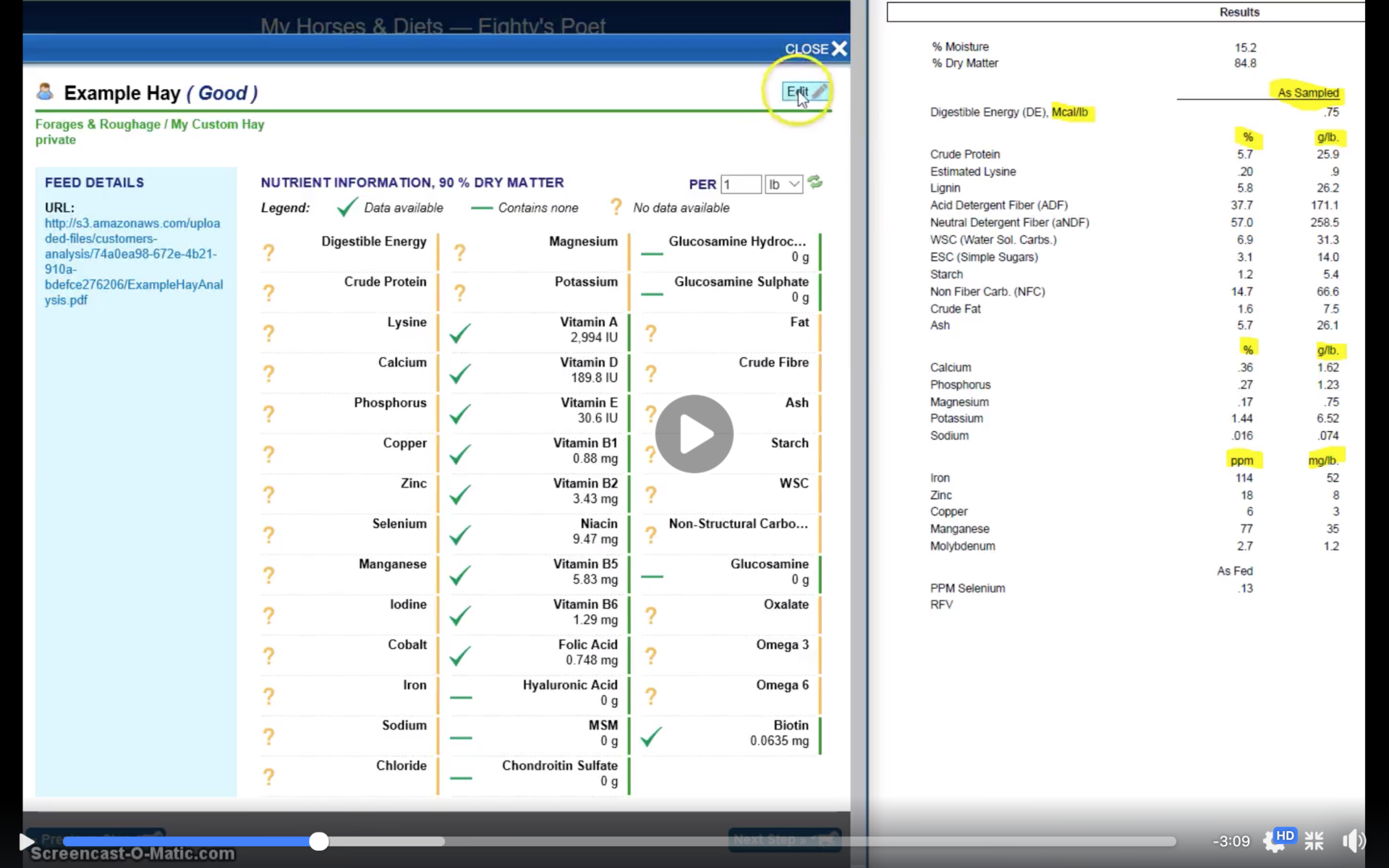
This is where FeedXL comes in. FeedXL helps you figure out exactly which vitamins and minerals are missing from the diet, and exactly which feeds or supplements (out of the thousands of options that you have) can be used to best meet those needs. It also stops us doing that thing where we overfeed or over-supplement “just in case” – at best this leads to wasting money and at worse ends in equally disastrous vitamin or mineral toxicity.
The moral of the story? Just because you can’t see a problem doesn’t mean there isn’t a problem. The sooner you look at your horse’s diet and fix any vitamin or mineral deficiencies, the better.
New to FeedXL? Click here to learn more about our horse nutrition calculator and get started today.
We would love to welcome you to our FeedXL Horse Nutrition Facebook Group. Ask questions and have them answered by PhD and Masters qualified equine nutritionists and spend time with like-minded horse owners. It’s free!
Click here to join the FeedXL Horse Nutrition Facebook Group