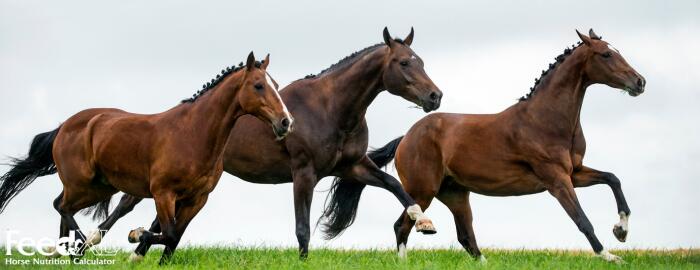
When horse owners say “my horse has too much energy,” they’re usually talking about behaviour—extra fizz, spookiness, or feeling like they’re about to explode. But in nutrition, energy means something very different.
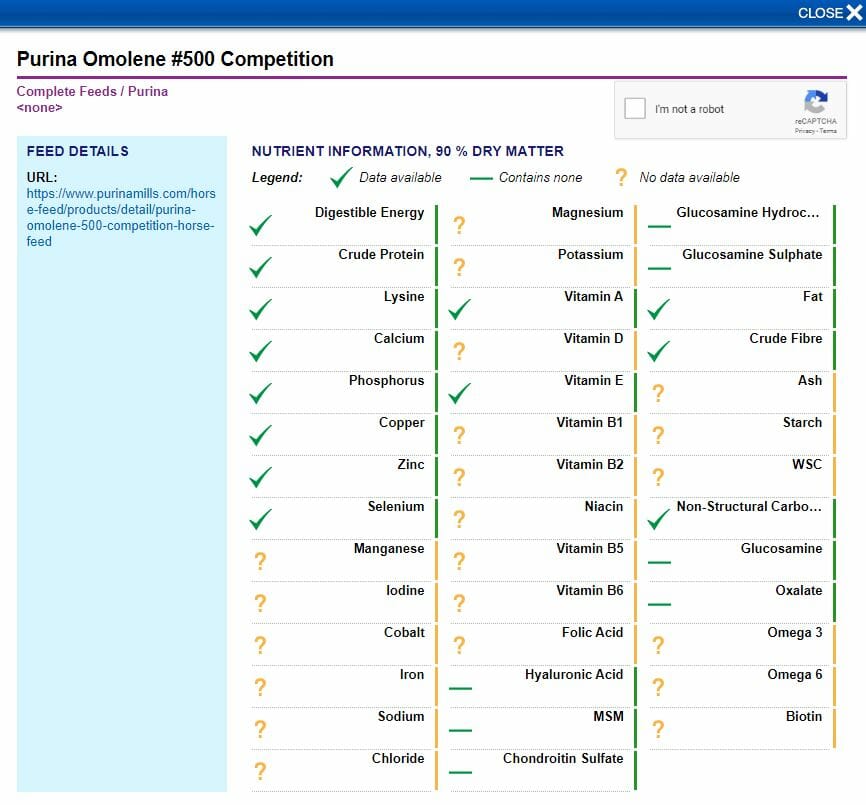
In feeding terms, energy is about calories. Specifically, Digestible Energy (DE) – the amount of energy from feed that your horse can absorb and use after digestion.
And while feeding too much energy can sometimes cause behavioural issues, DE isn’t about fizz. It’s about fuel.
Every feed ingredient contains energy, measured in calories (or joules). But not all of that energy is usable by your horse.
Here’s how it breaks down:
In short:
Digestible Energy = Gross Energy – Fecal Energy Loss
This is the energy your horse actually absorbs and uses for everything from breathing and digestion to trotting down the trail or galloping a cross-country course.
DE is one of the most important parts of any horse’s diet. It determines how much feed they need based on:
If a horse gets too little DE, they’ll lose weight and lack energy for work. If they get too much, they may become overweight or develop diet-related issues like laminitis, insulin resistance, or unwanted behavioural changes.
Here’s a guide based on a healthy 500 kg (1100 lb) horse:
Workload |
DE/day (Mcal) |
| Maintenance (no work) | 15–16 Mcal |
| Light work (trail riding, low-level dressage) | 20–22 Mcal |
| Moderate (show jumping, reining, lower-level eventing) | 25–28 Mcal |
| Heavy (racing, endurance, upper-level eventing) | 30–35+ Mcal |
That means horses in work may need 1.5 to 2.5 times more DE than horses at rest.
But keep in mind: needs can vary based on metabolism, breed, environment, and feed quality.
To keep your horse healthy, fit, and able to perform, you need to provide:
As your horse’s workload increases, so do their calorie needs—and also their requirements for things like:
Even small imbalances can make a big difference.
Calculating DE (along with all those nutrients) doesn’t have to be a guessing game.
FeedXL does the heavy lifting for you.
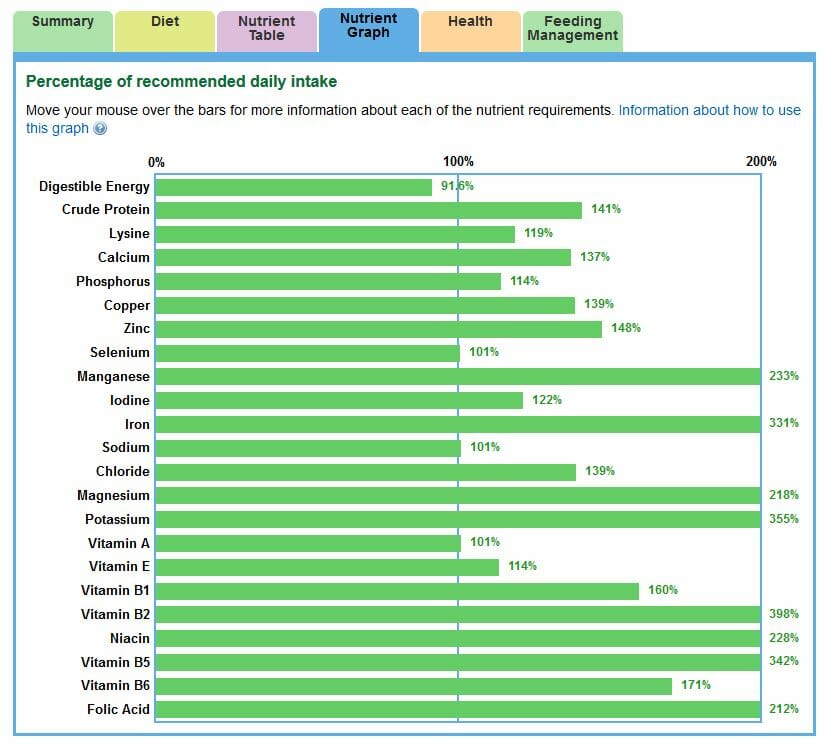
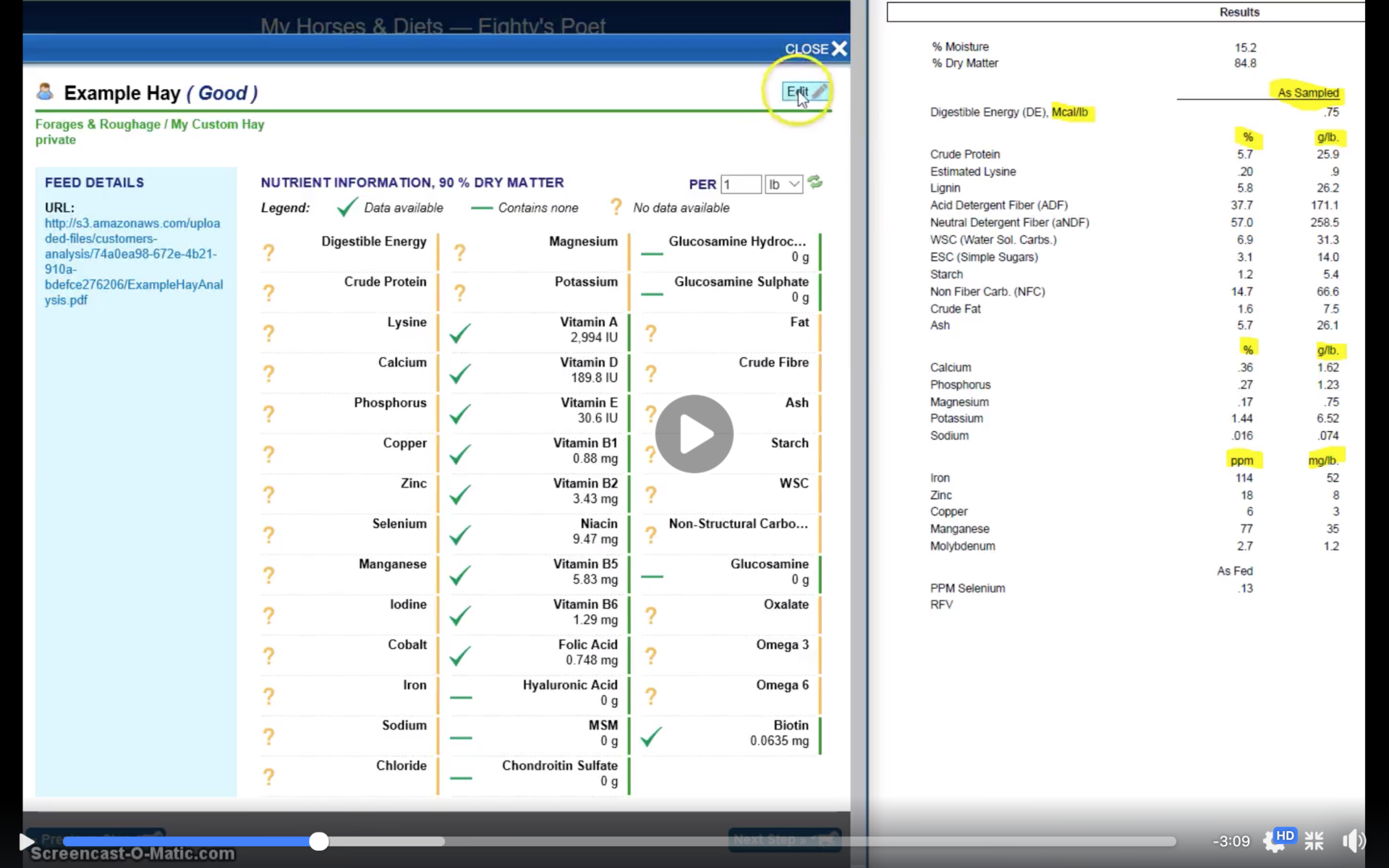
Simply enter your horse’s details— age, weight, workload, diet, and any medical conditions—and FeedXL calculates and shows you exactly how much DE they need, and whether their current diet is on track.
It’s the fastest way to make sure your horse is fueled for whatever you ask of them—no overfeeding, no underfeeding, no confusion.
If you’ve got a particularly “fizzy” horse, be sure to check out our blog on Feeding for Calm Behaviour
https://feedxl.com/21-feeding-for-behaviour/
Become a Member of FeedXL today
Get EVEN MORE practical and personalised feeding guidance when you sign up to FEEDXL.
SIGNUP TO FEEDXL NOW