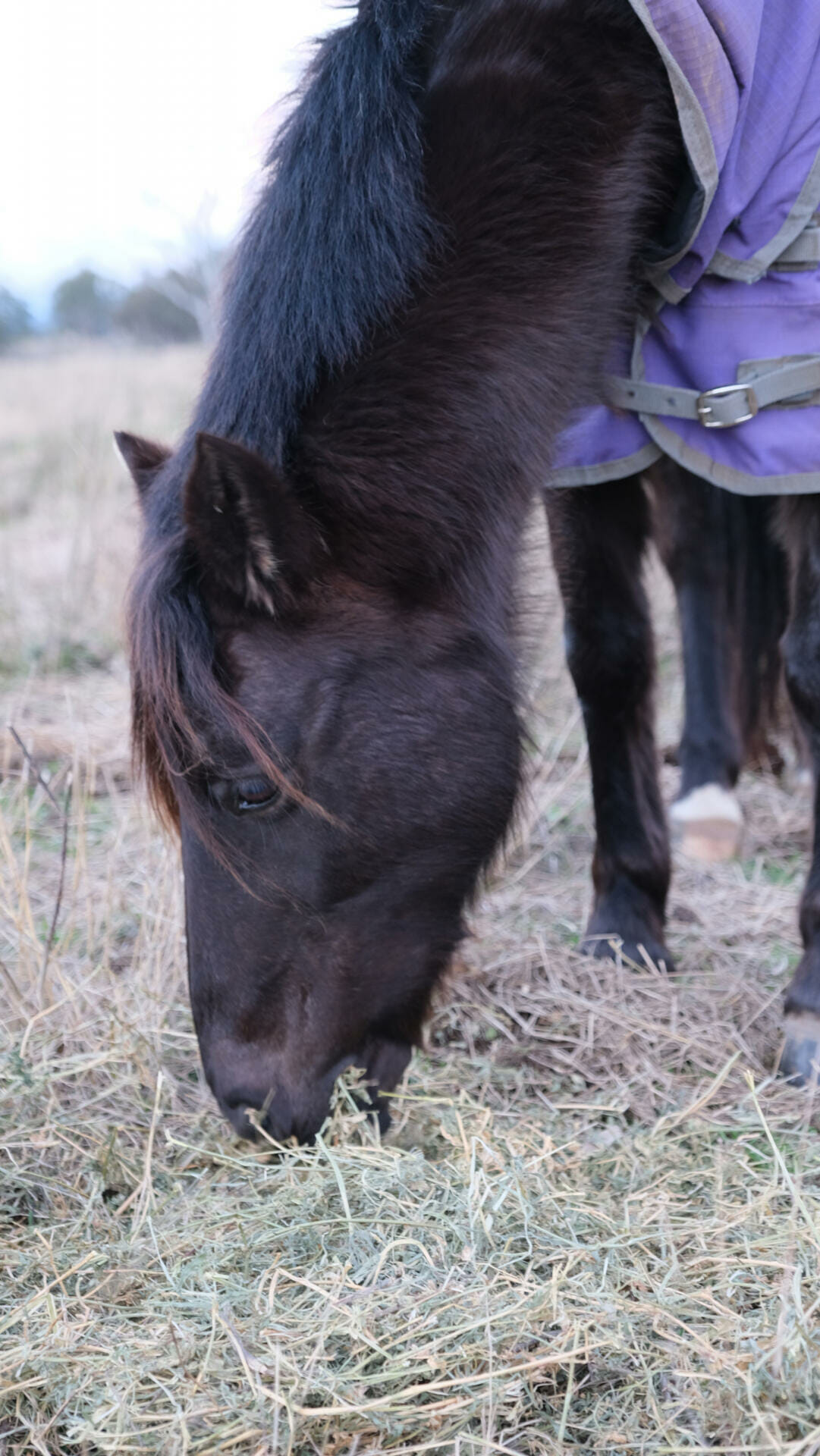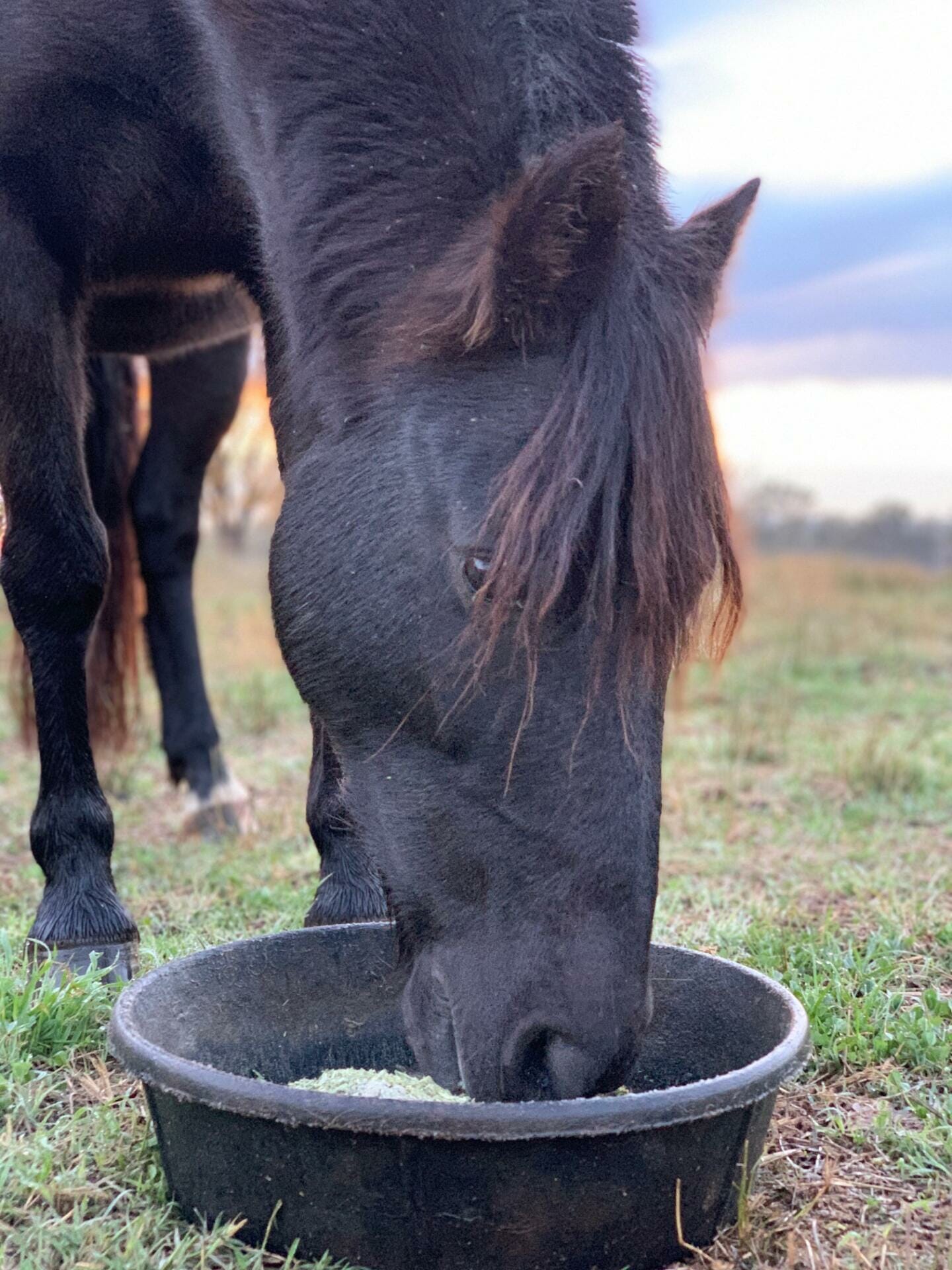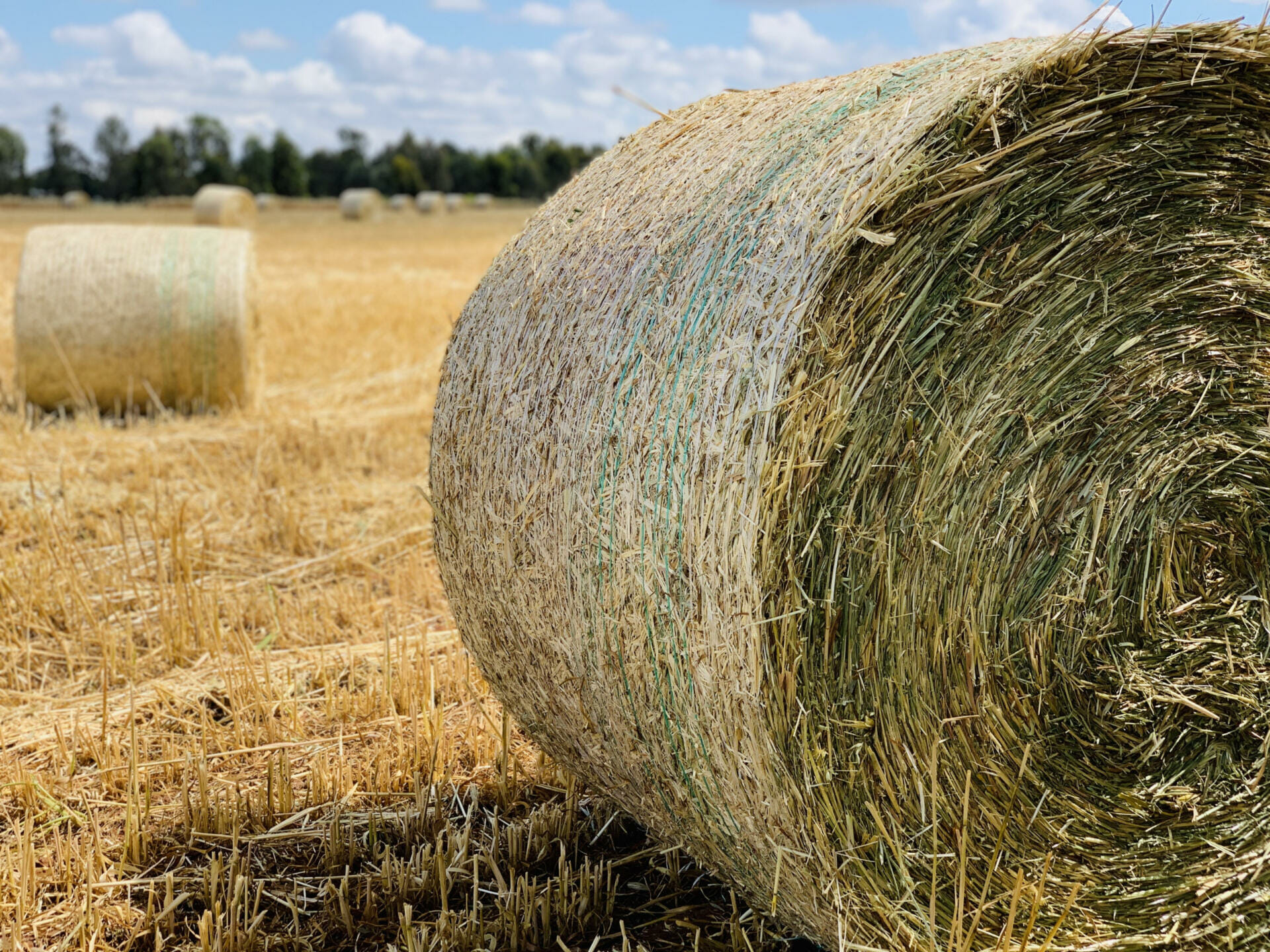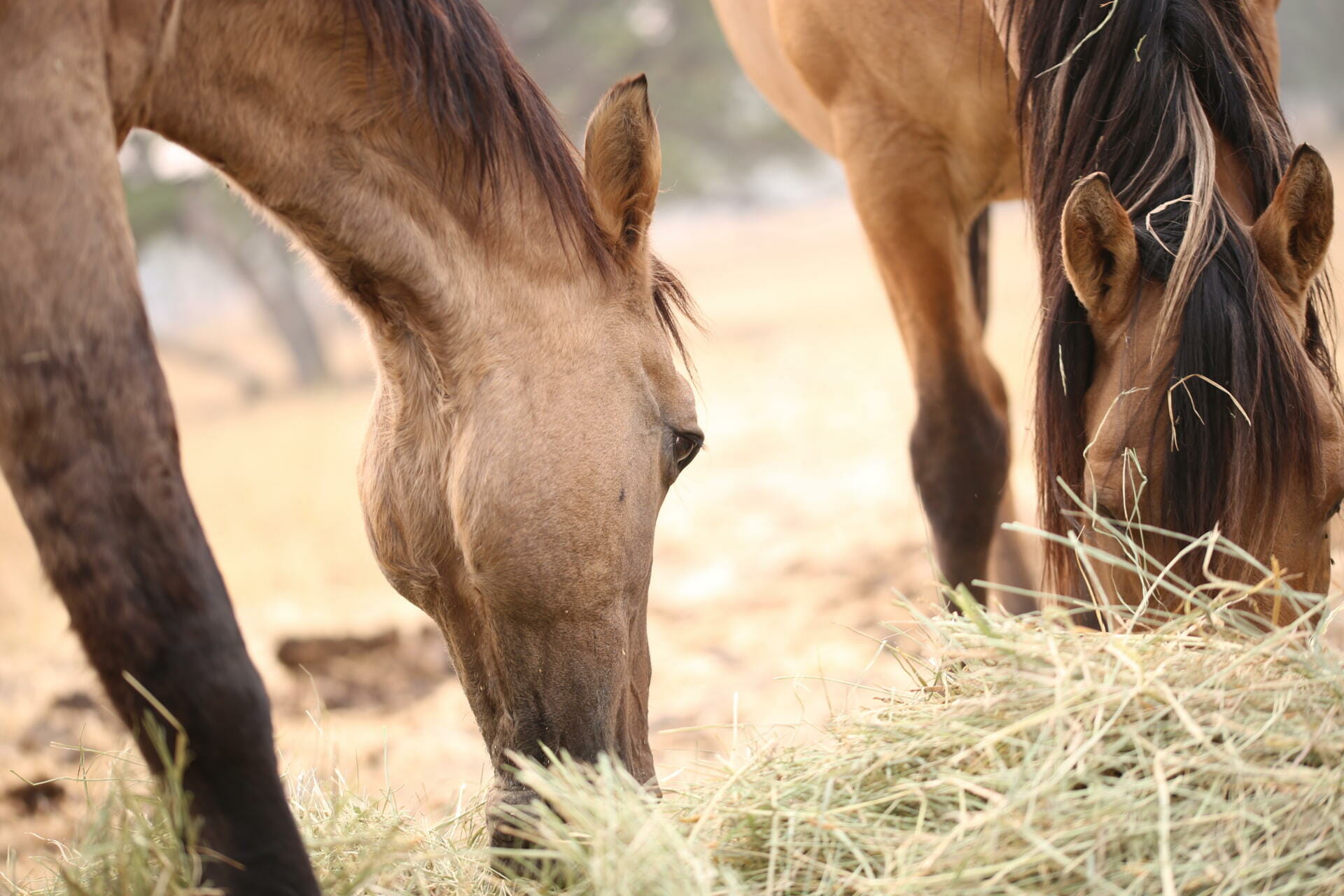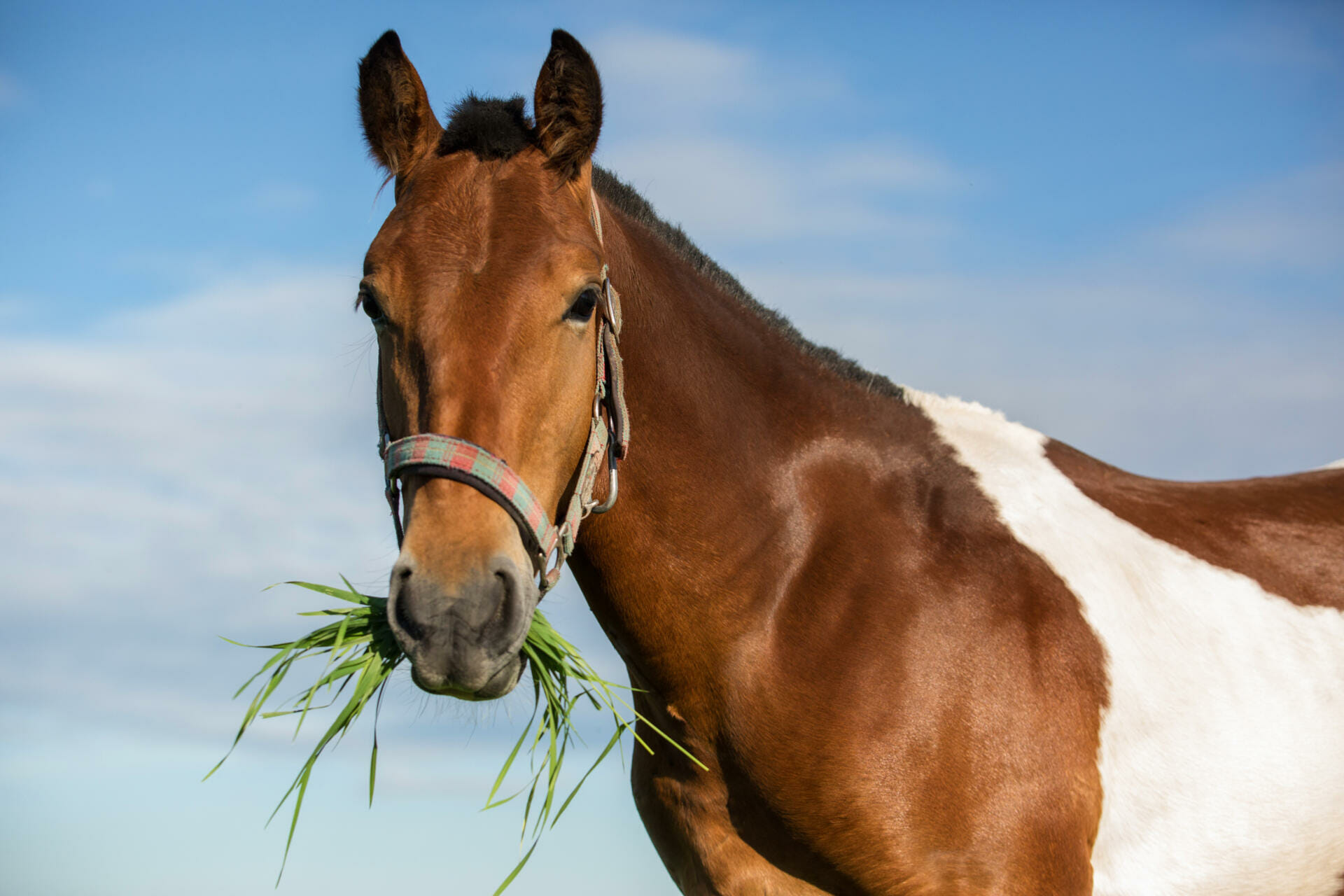
Forage isn’t just an optional extra in your horse’s diet—it is the foundation. At FeedXL, the number one reason a diet fails to meet a horse’s nutritional needs is a lack of sufficient forage. Time and time again, when we analyse diets that are causing issues—whether it’s poor condition, behavioural problems, or digestive upset—the root cause is not enough hay, pasture, or other roughage. So why is forage so critical?
To answer that, we need to go back—way back—to the horse’s origins.
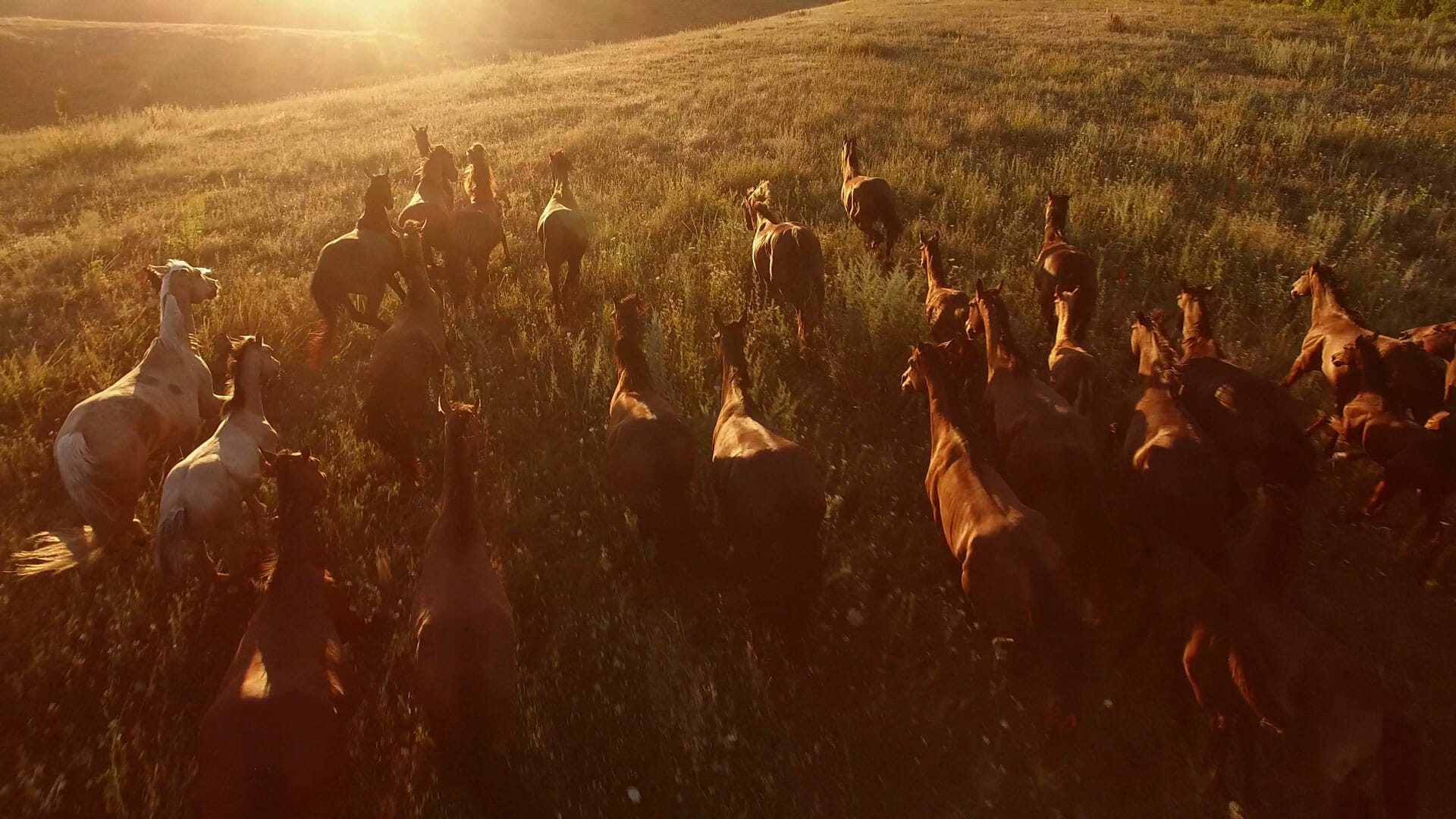
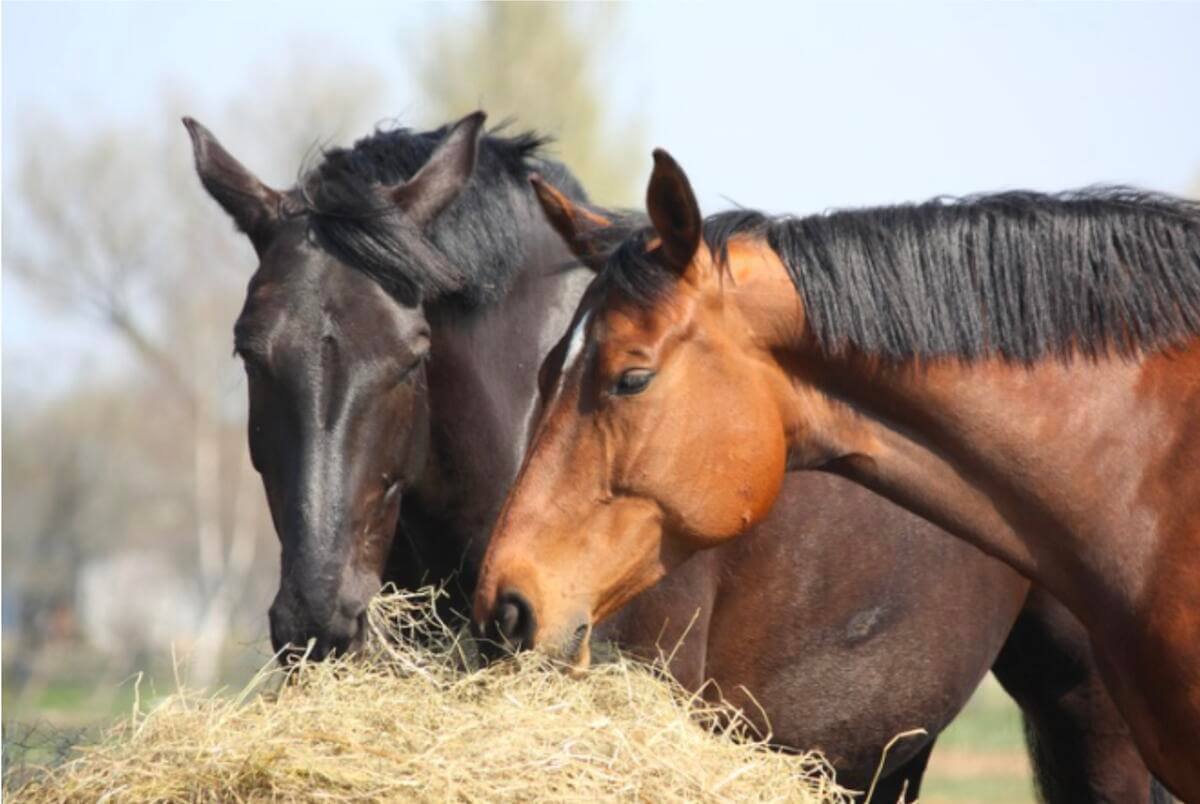
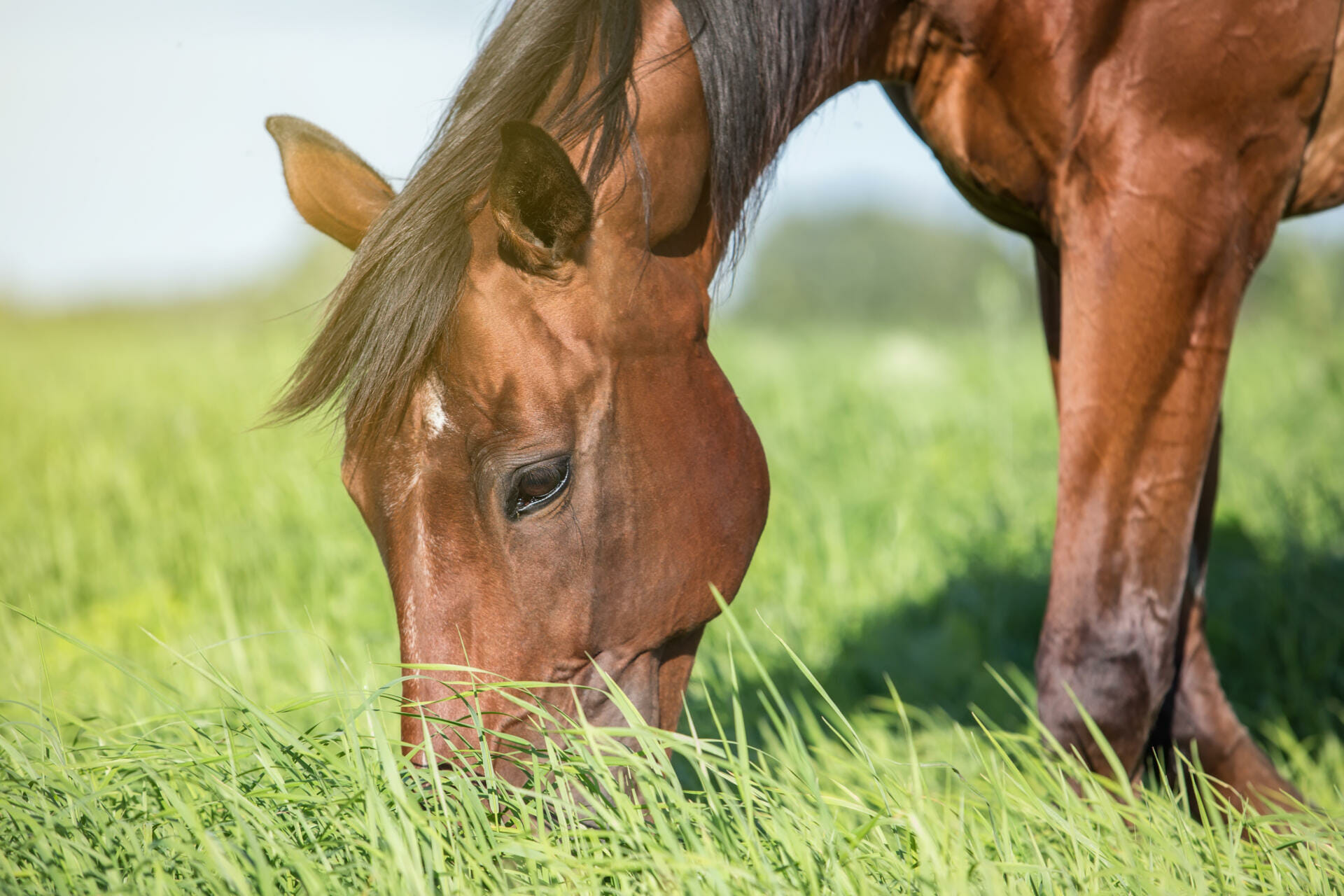
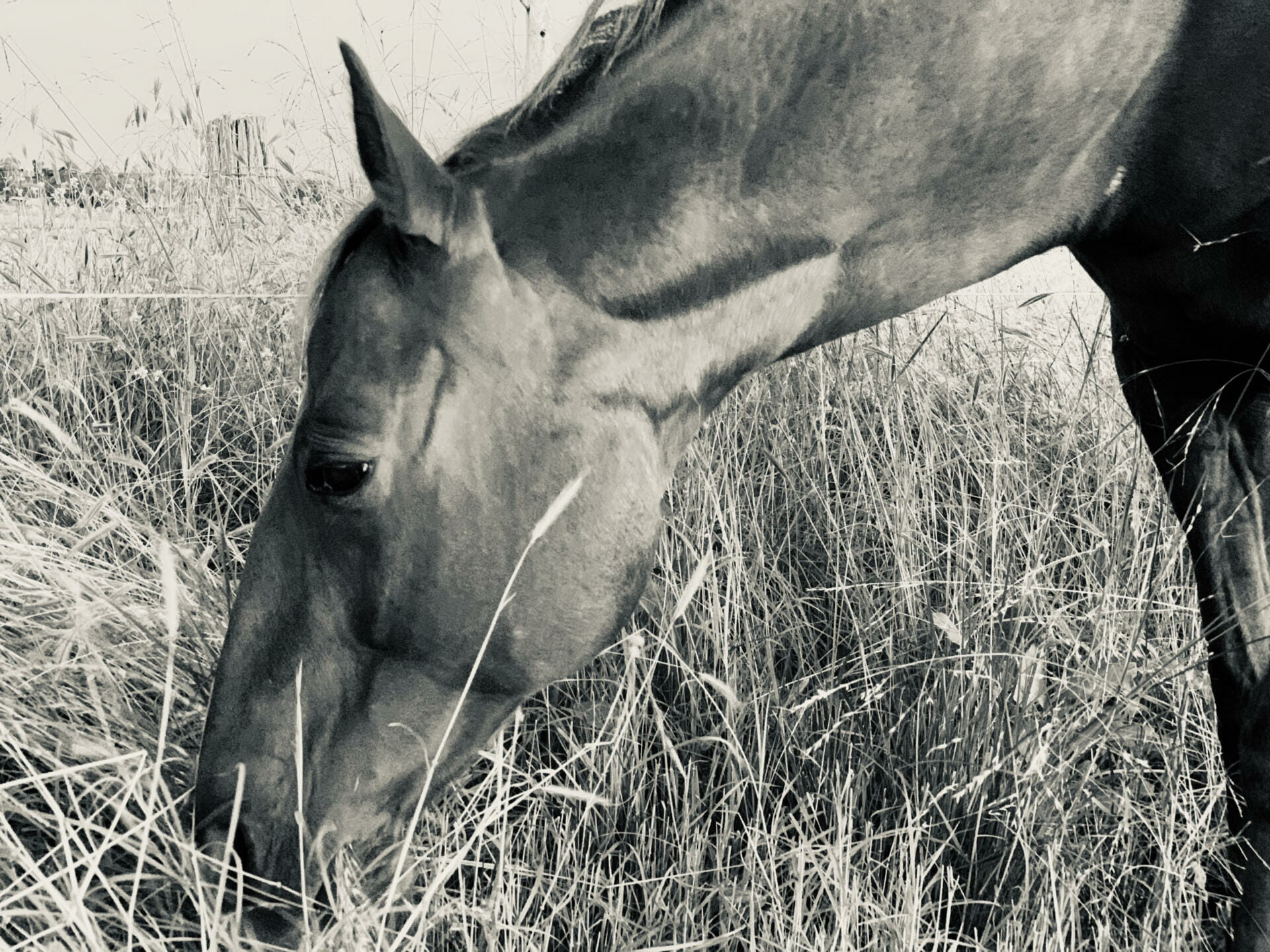
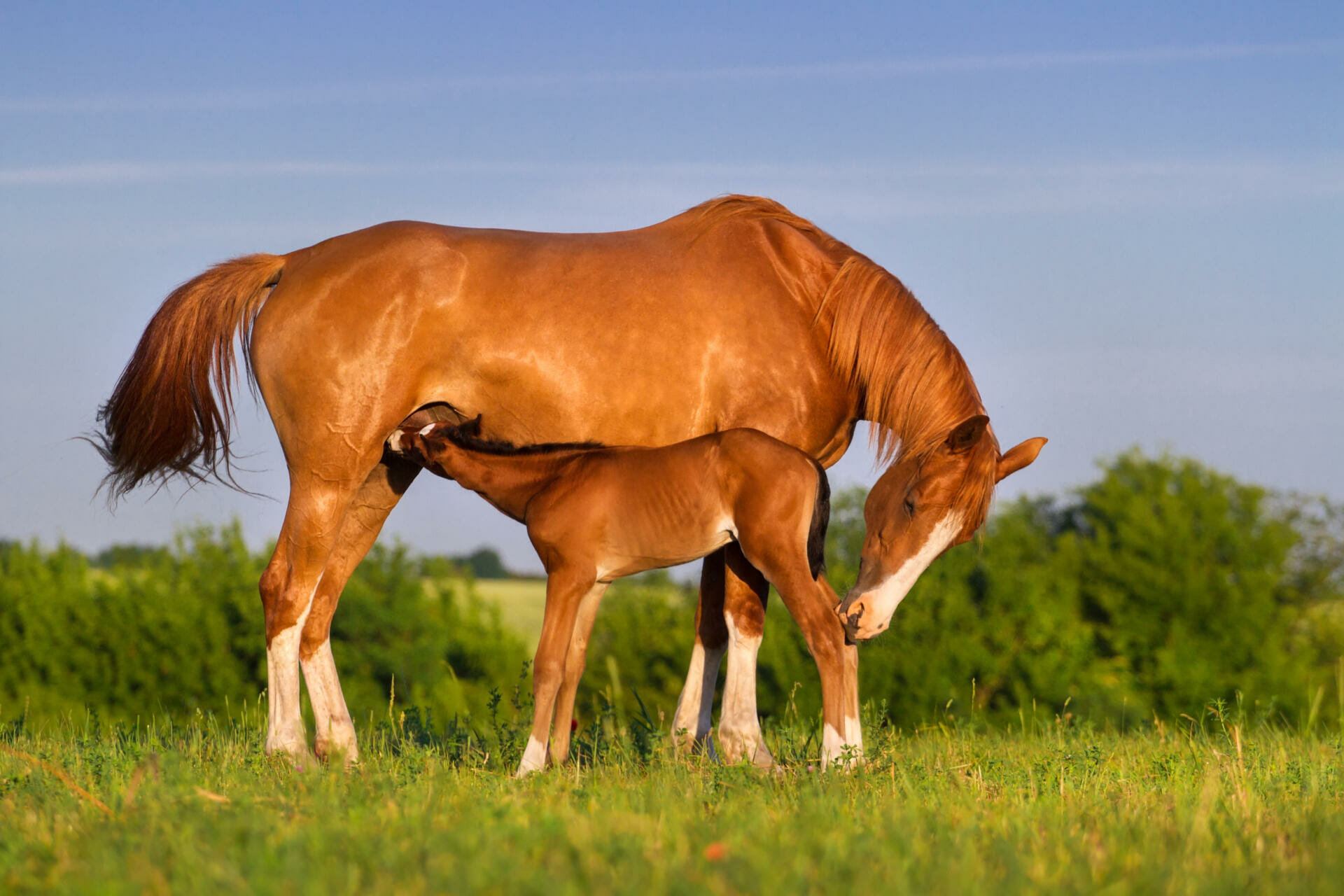
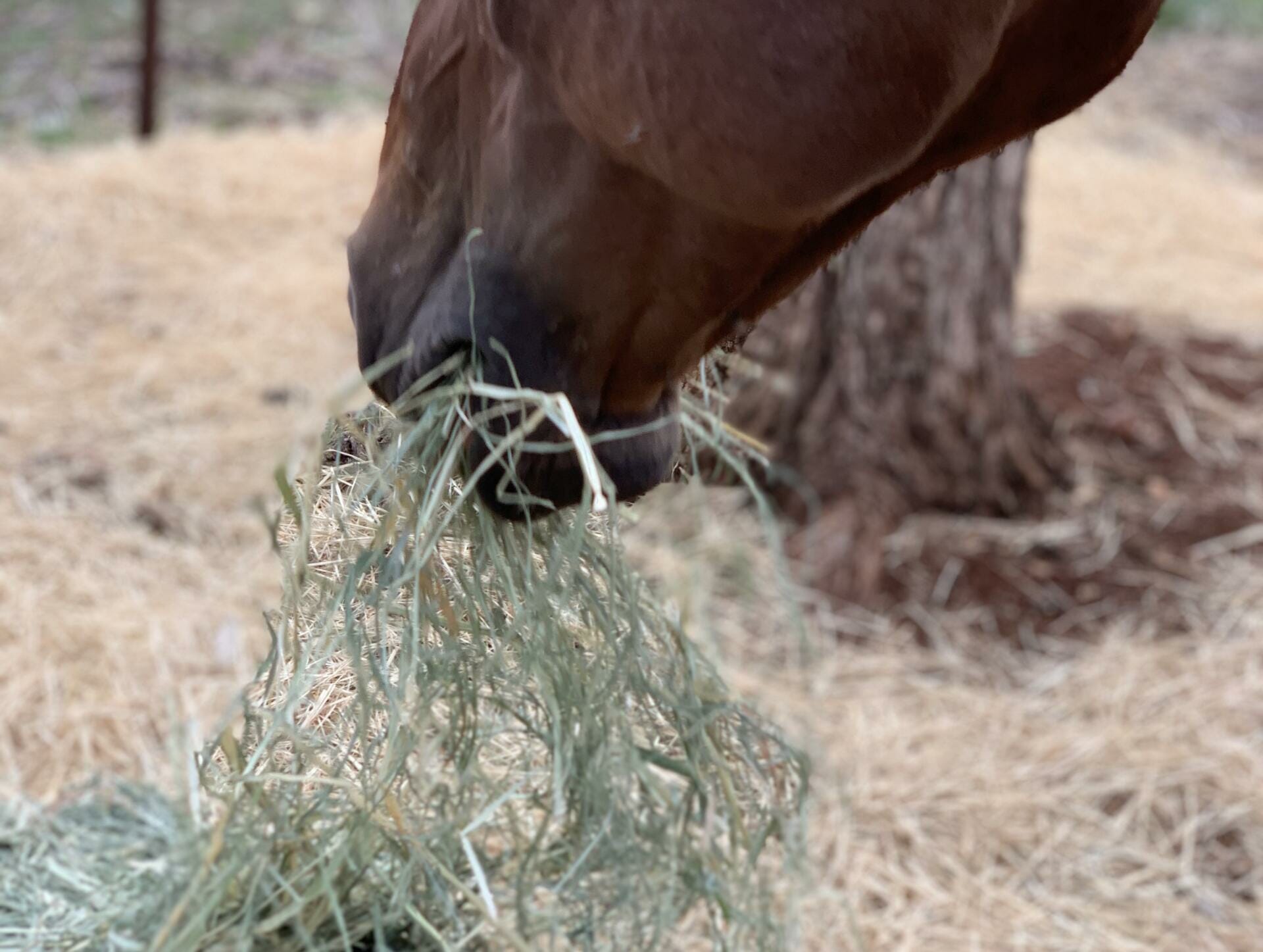
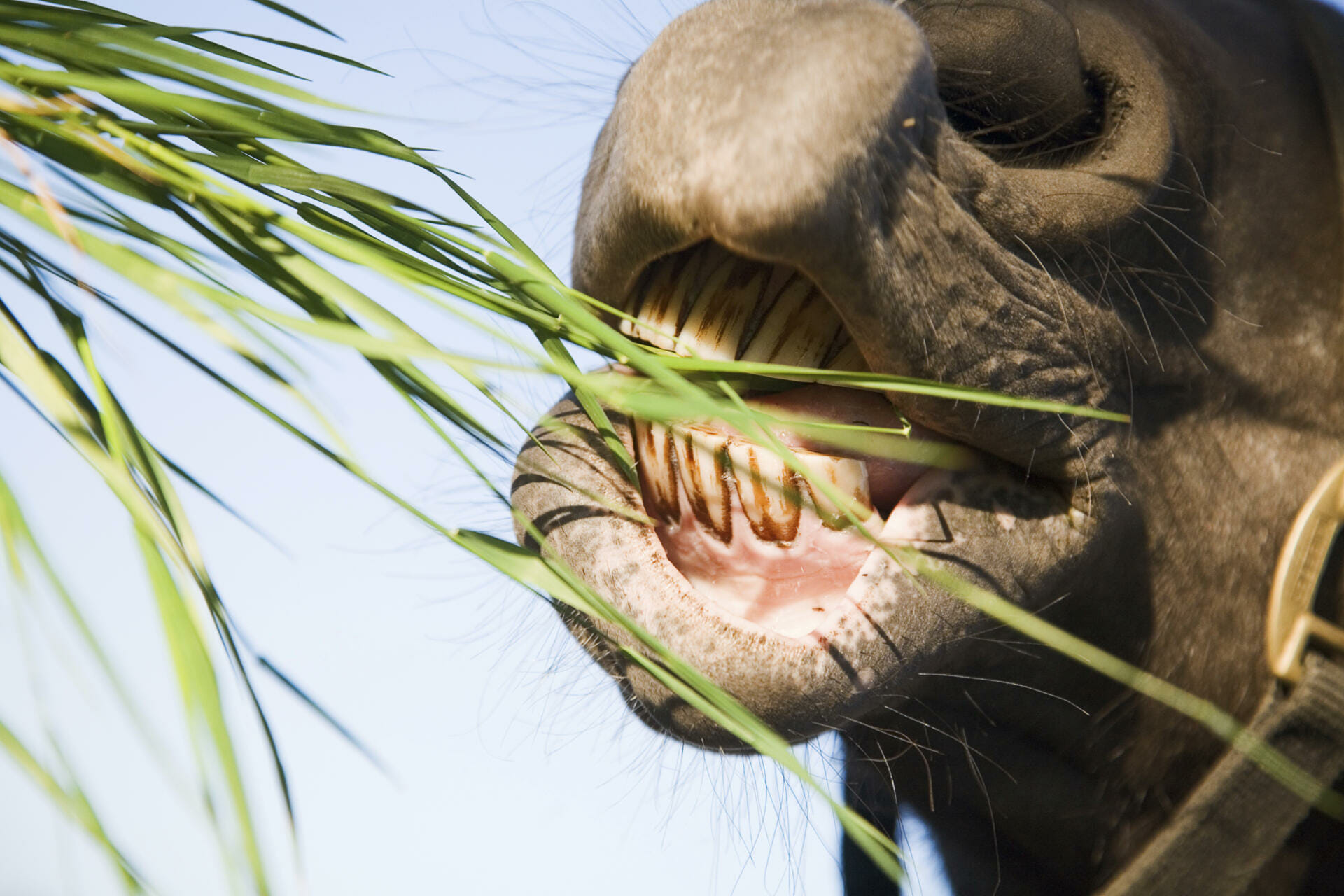
Horses evolved as grazing foragers. In their natural environment, wild horses would roam up to 30 kilometres each day in search of a continuous supply of grass and shrubs. This slow, near-constant foraging served two key purposes:
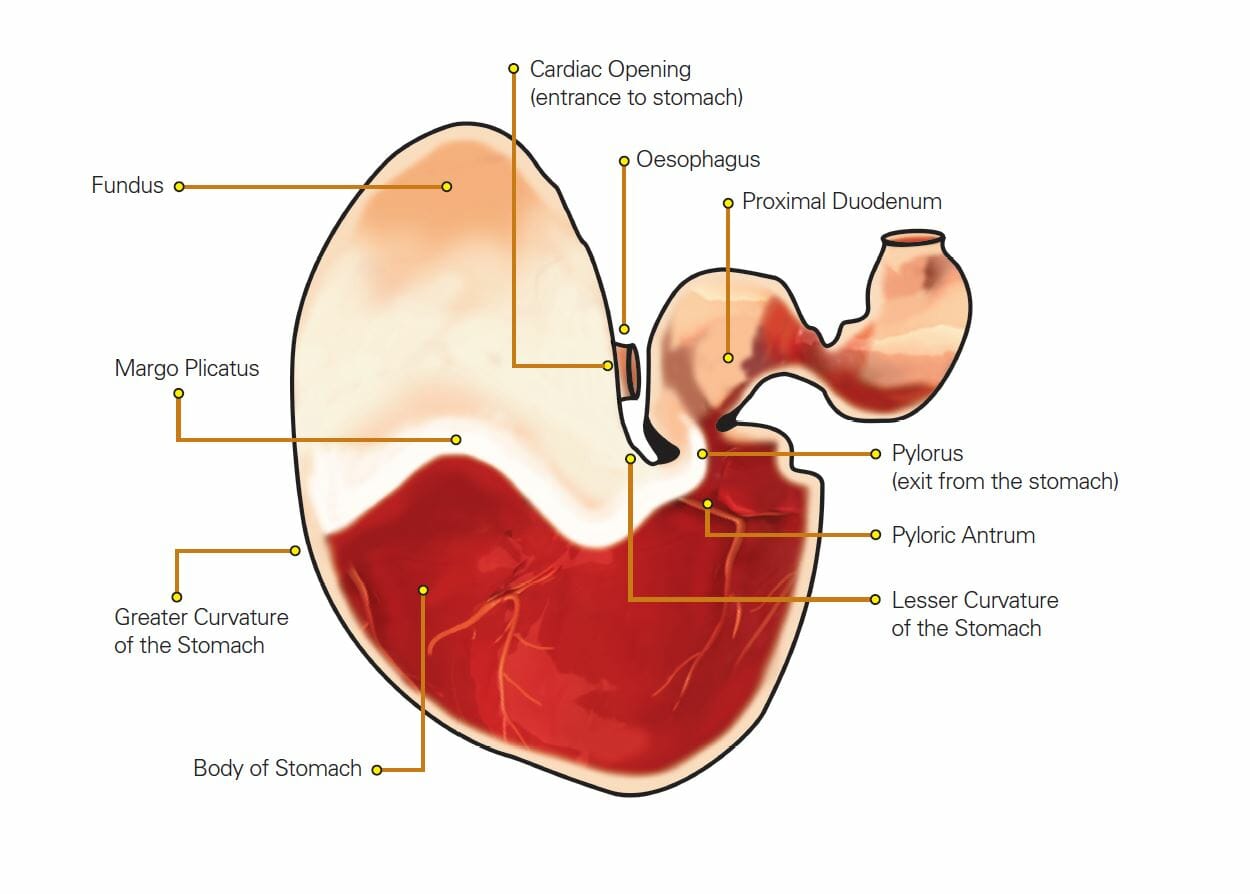
This evolutionary background means the horse’s entire digestive tract—from their sensitive stomach to the complex microbial fermentation in their hindgut—is built around processing large amounts of fibrous forage.
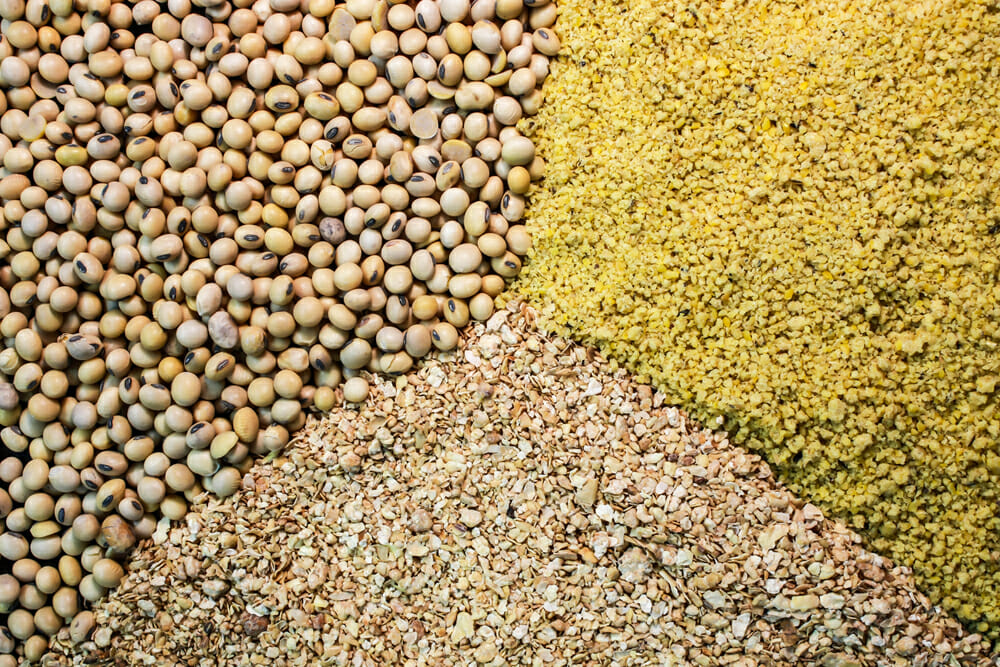
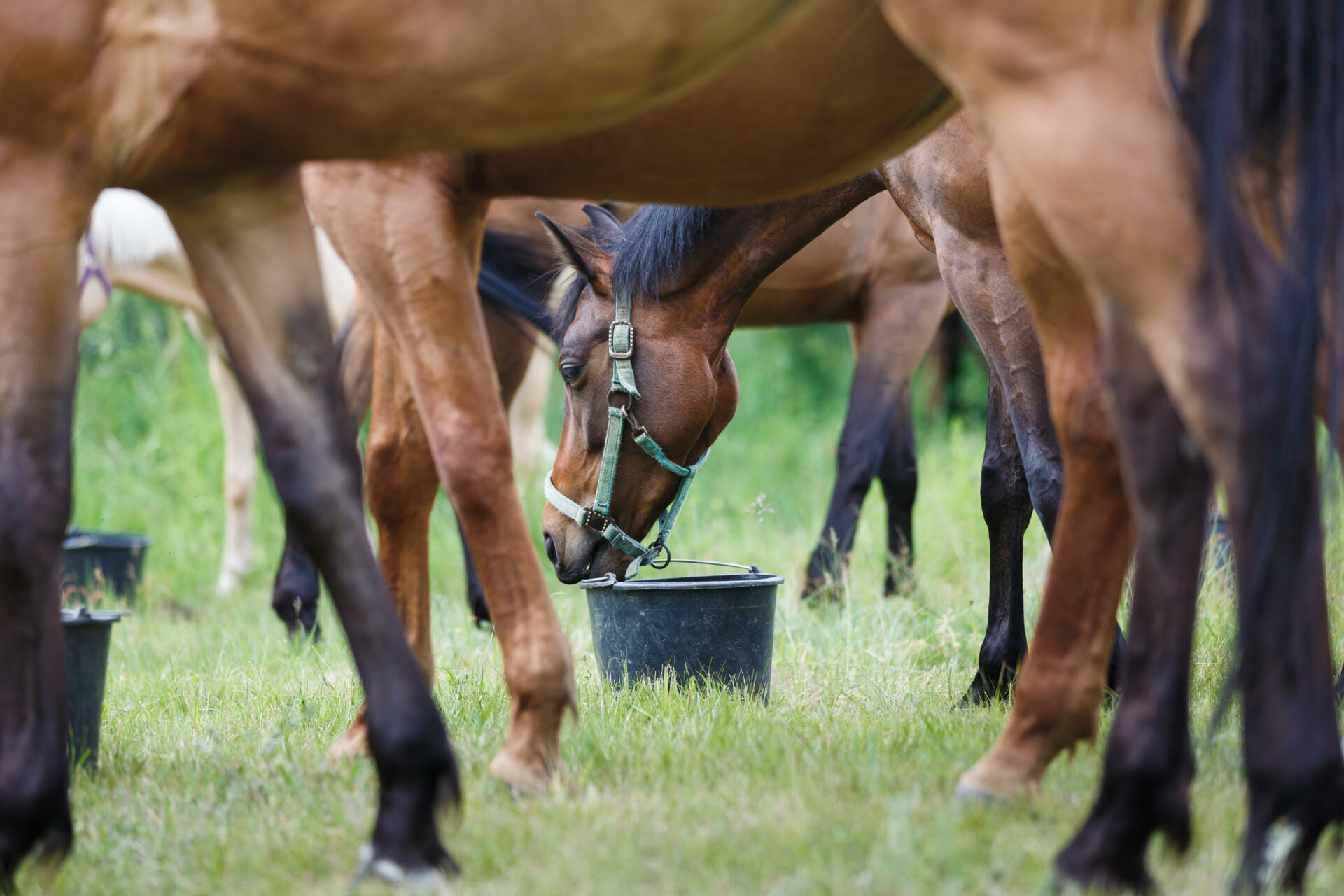
Fast forward to today, and we see a dramatically different picture. Domestic horses are typically confined to smaller paddocks, or stabled, fed concentrated meals twice a day, and often rely heavily on high-energy feeds or supplements. While modern feeding practices allow us to meet specific energy and nutrient demands (especially in performance horses), they often overlook one critical fact: forage must come first.
At FeedXL, we always start a diet with forage. Why? Because when you get the forage right, you’re solving 80–90% of the nutritional equation. Forage provides:
Even the most perfectly balanced supplement can’t replace the need for good-quality forage.
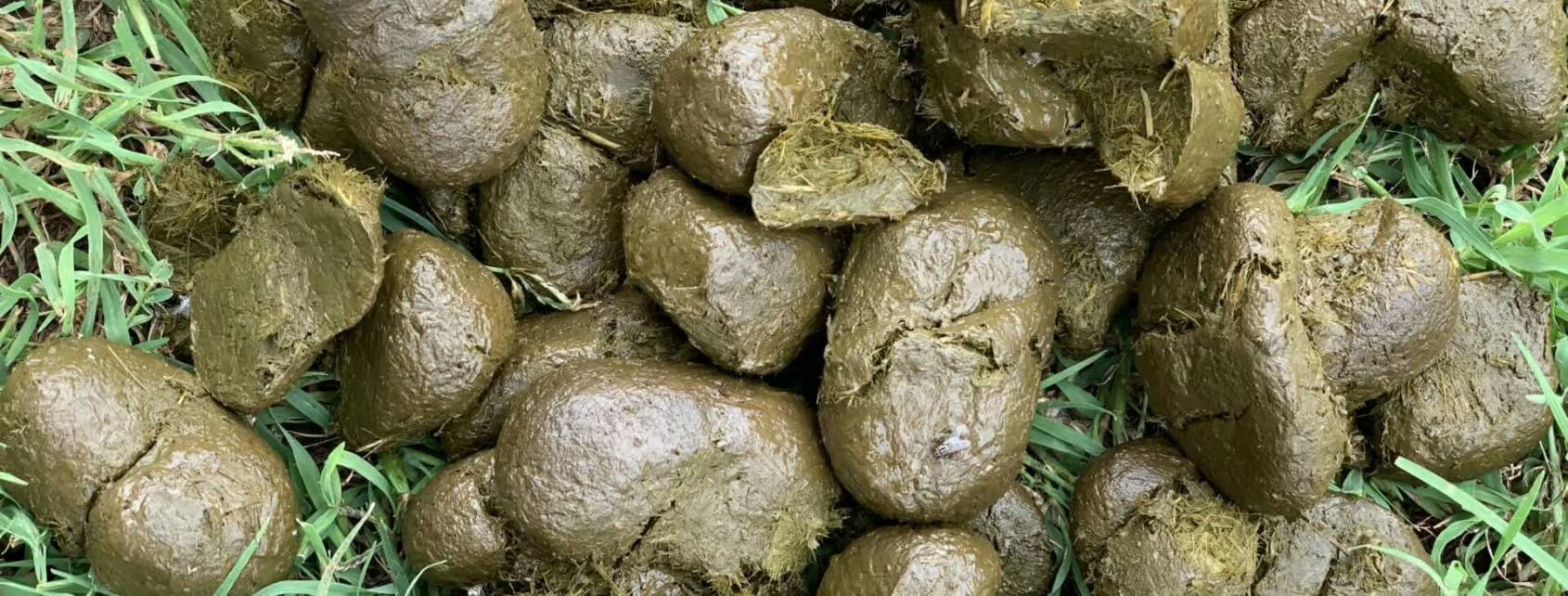
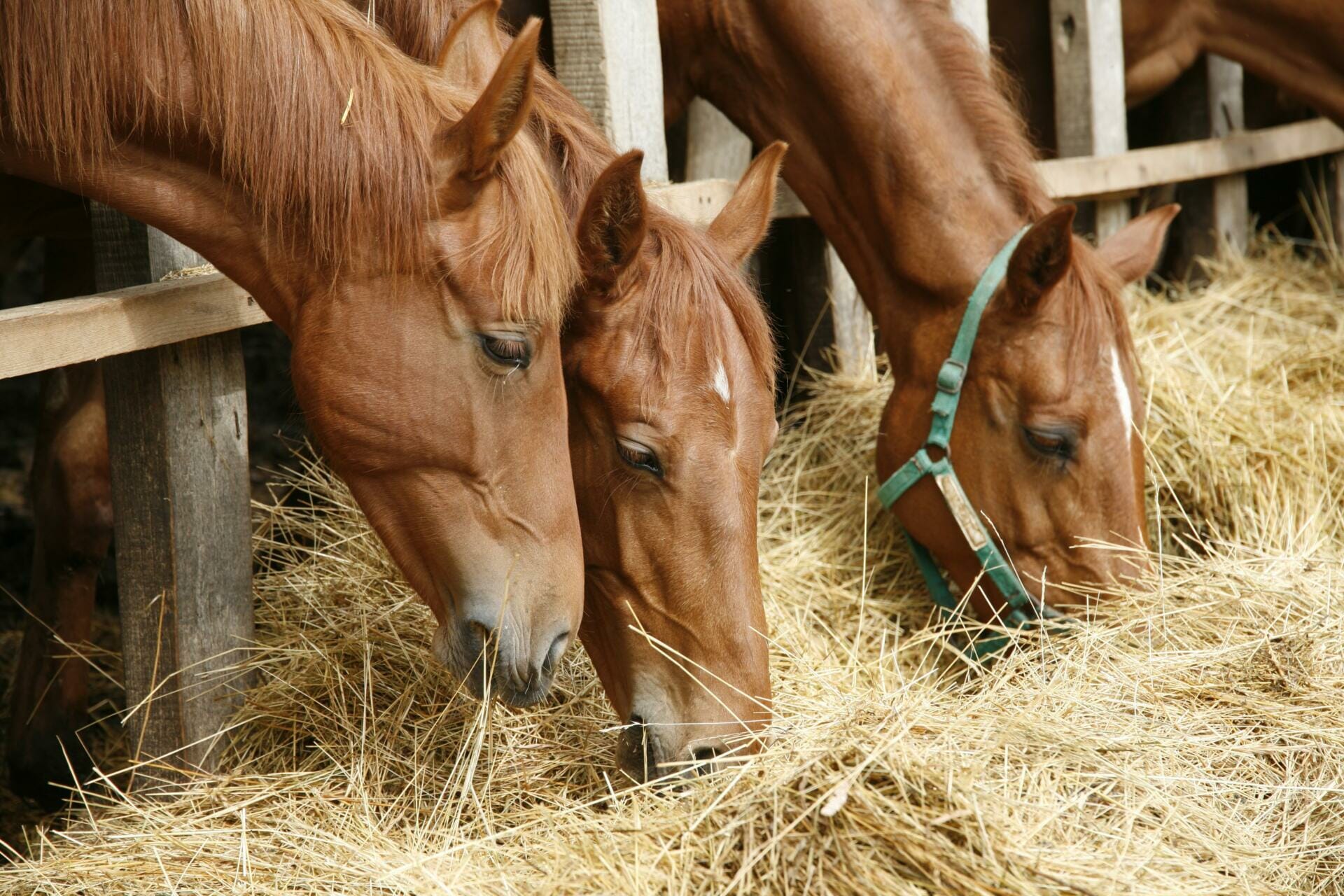
When horses aren’t getting enough forage—or the quality is too poor—issues can snowball quickly. Some of the most common signs we see include:
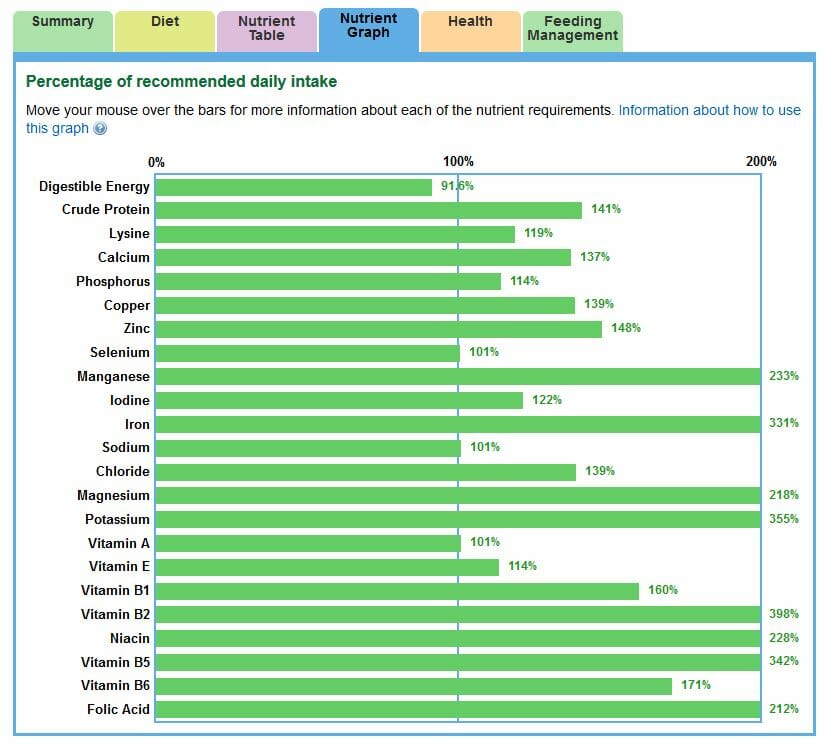
In FeedXL, these problems often show up clearly in the analysis—low fibre intake, poor calcium to phosphorus ratios, insufficient vitamin and mineral coverage. Almost always, the first recommendation is to go back to the basics and boost forage levels.
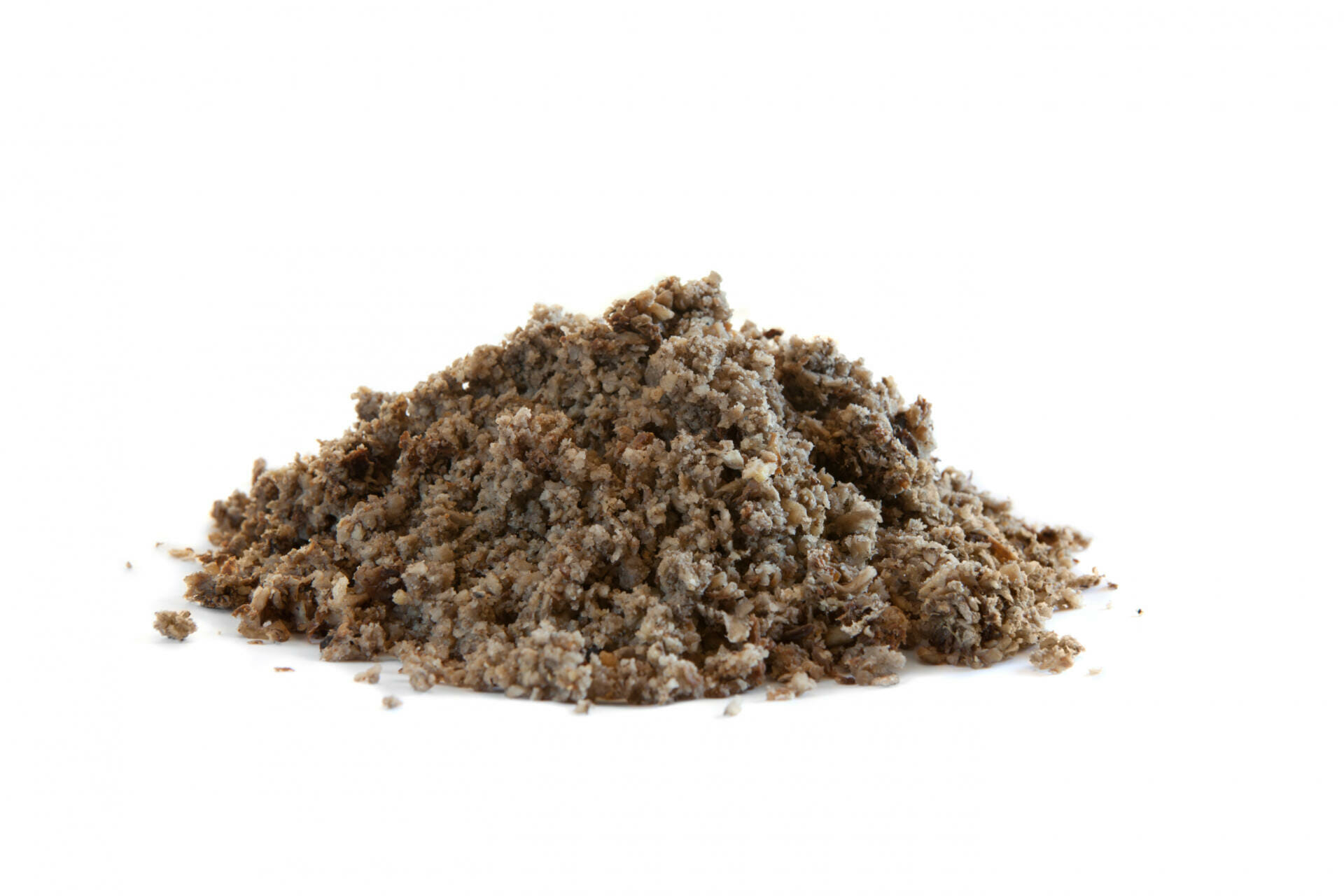
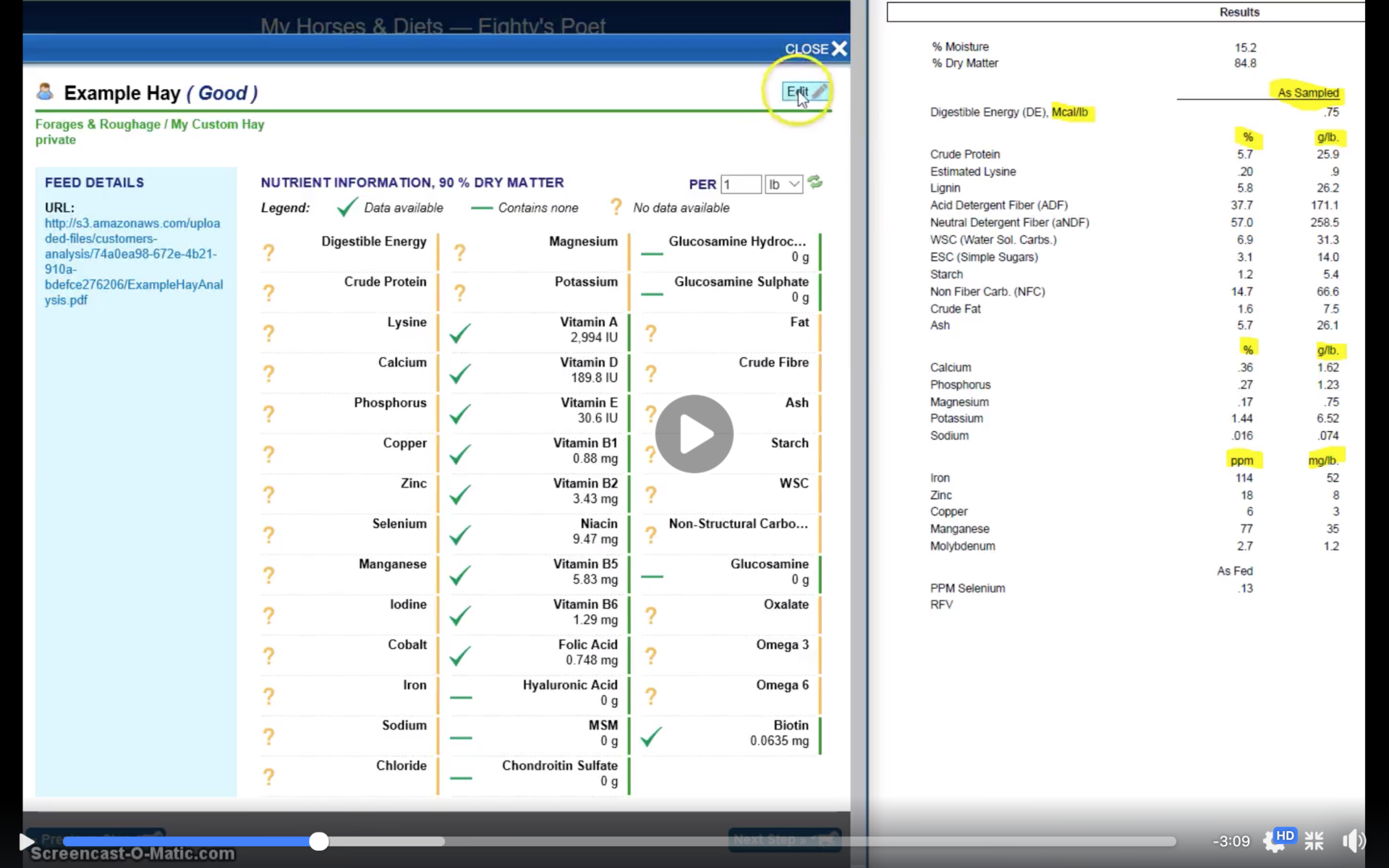
When you create a diet in FeedXL, you’ll notice the very first step is selecting and inputting your horse’s forage—hay, pasture, haylage, or chaff. Everything else is built on top of that. Why? Because:
This forage-first method ensures we’re not using expensive feeds to solve a problem that could be fixed with a simple increase in hay or adjustment to grazing time.
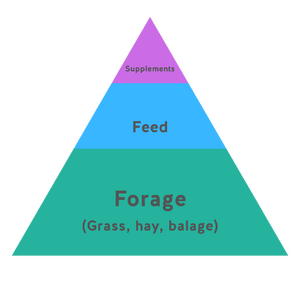
Forage is the foundation of your horse’s diet.
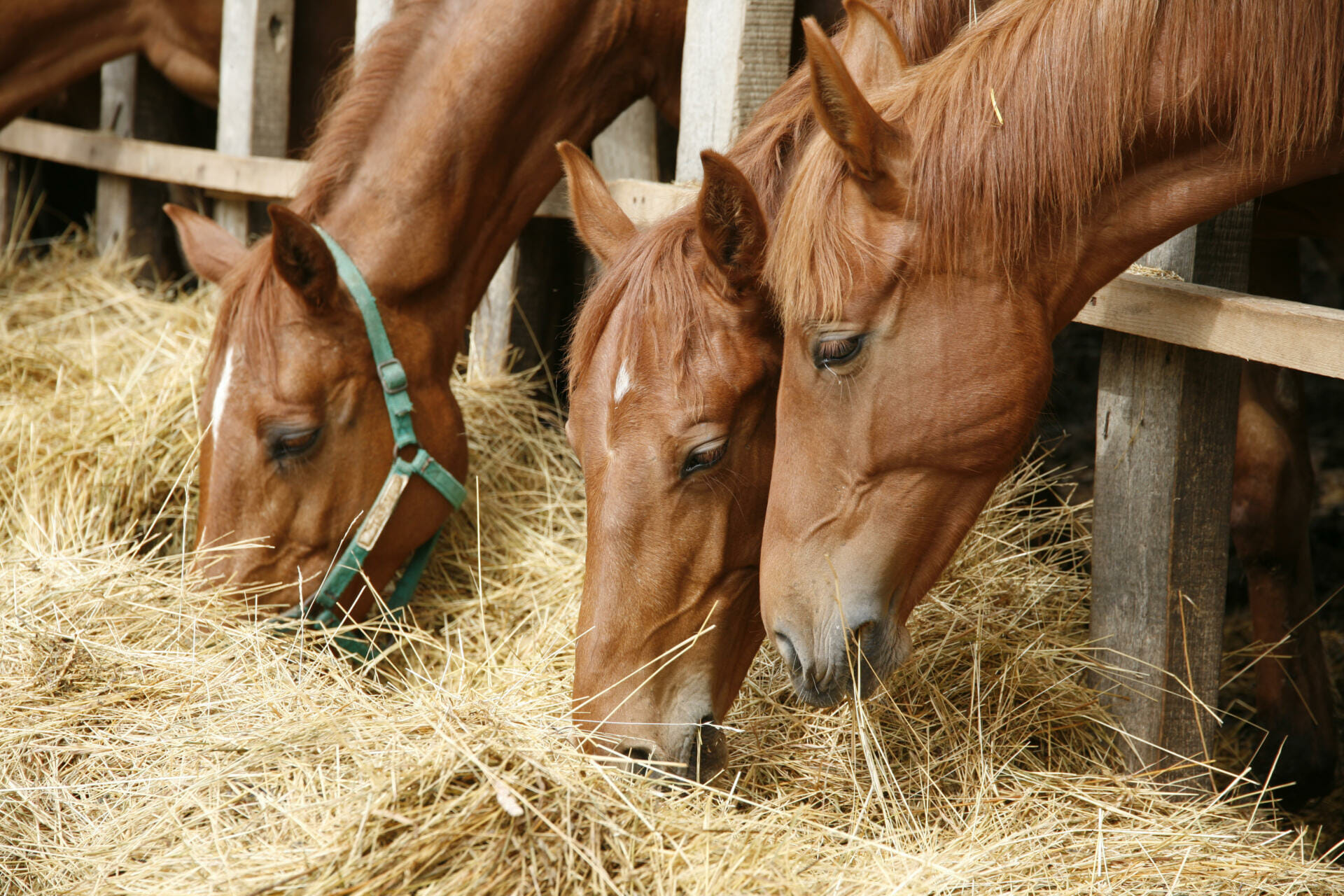
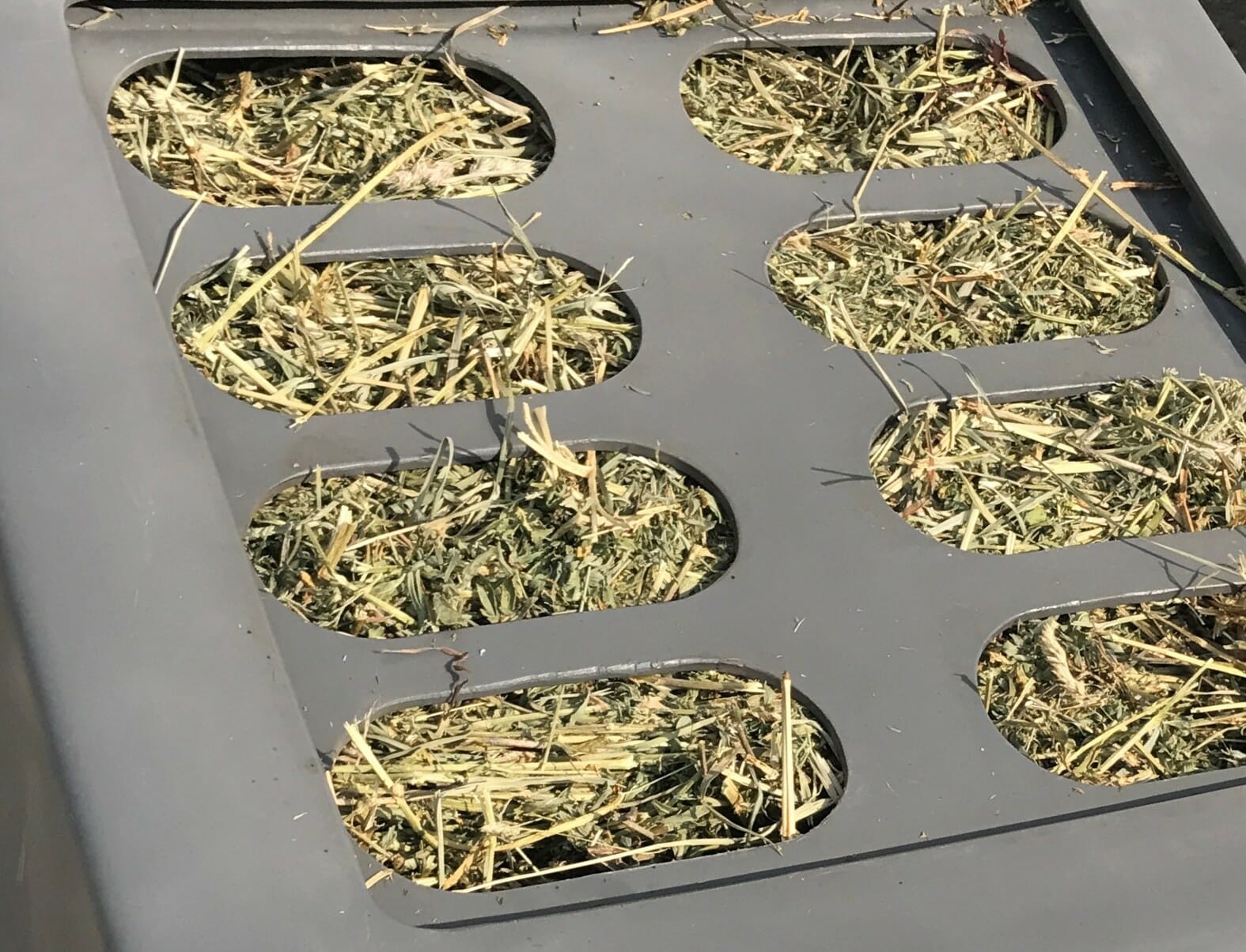
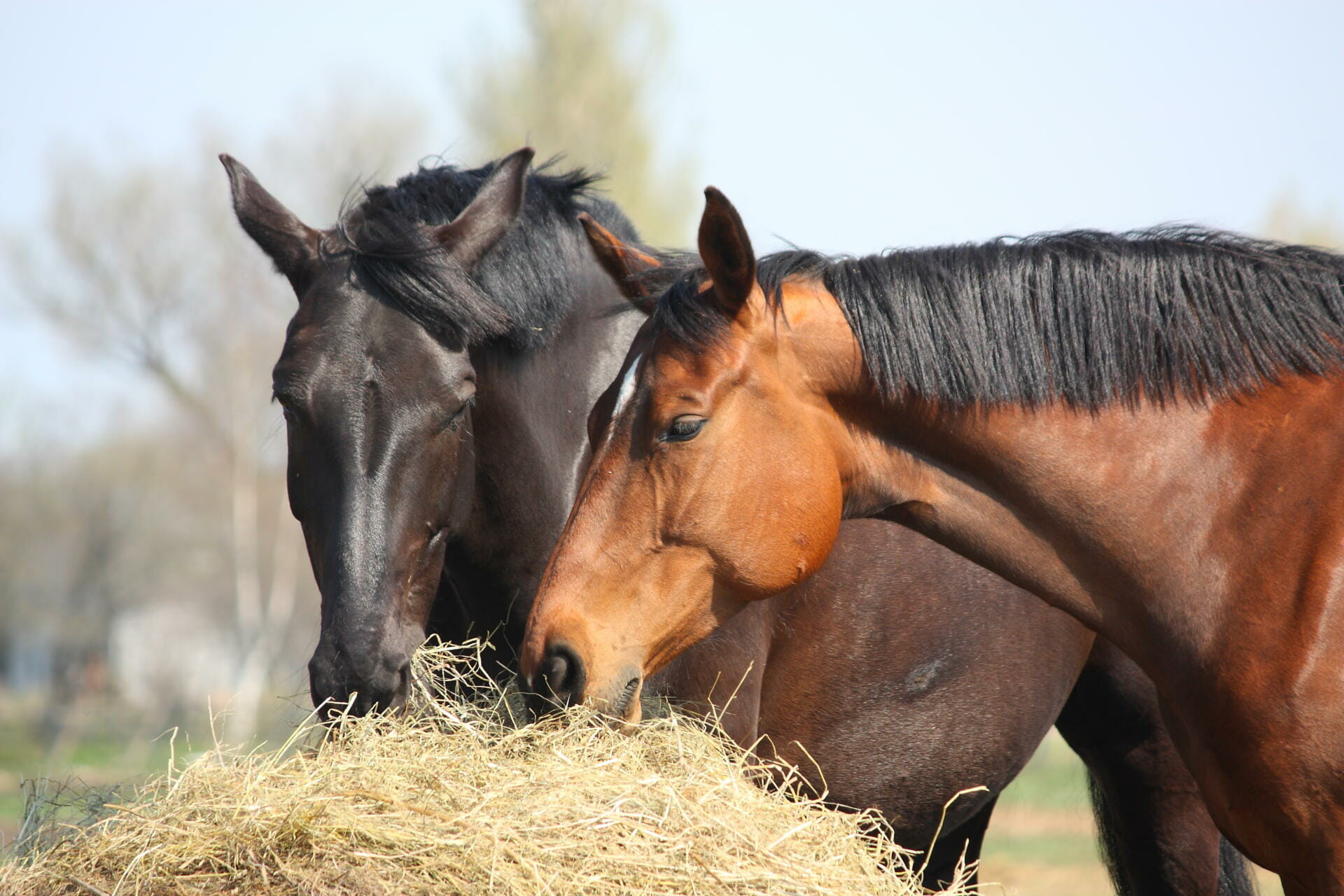
As a general rule, horses should be fed at least 1.5% to 2.0% of their bodyweight in forage per day. For a 500 kg horse, that’s a minimum of 7.5 kg of hay or pasture dry matter daily—and often more. For horses in light work or on a forage-only diet, the figure may be closer to 10–12 kg/day depending on quality.
When entering a diet into FeedXL, pay close attention to your forage weight estimates. If you’re unsure how much your horse is actually eating—whether pasture intake or hay—take the time to weigh hay nets, monitor grazing, or use a pasture intake calculator to get it right.
At FeedXL, our golden rule is simple: Don’t build a diet—build a forage base. Only once the horse’s fibre and forage needs are met do we look at layering in concentrates, grains, or supplements – only if they are required. This approach respects the horse’s natural biology, supports gut health, and leads to far better long-term outcomes—physically, mentally, and nutritionally.
If your horse’s diet isn’t quite working, start by asking: Is there enough forage?
Chances are, the answer lies in the forage, not the feed. Need help figuring out your horse’s forage intake or if your hay is providing enough nutrition?
Log in to your FeedXL account and let us do the hard work for you—starting with forage, as the base.
Not a FeedXL member? Become one today!
Get EVEN MORE practical and personalised feeding guidance when you sign up to FEEDXL.SIGNUP TO FEEDXL NOW
We would love to welcome you to our FeedXL Horse Nutrition Facebook Group. Ask questions and have them answered by PhD and Masters qualified equine nutritionists and spend time with like-minded horse owners. It’s free!
Click here to join the FeedXL Horse Nutrition Facebook Group