
With so much focus on magnesium in equine diets, you may be wondering what’s the best form of magnesium for horses.
There are many ‘forms’ of magnesium available and suitable to be fed as magnesium supplements. Unfortunately, at the moment there aren’t any extensive studies that look at the comparative bioavailability of these various forms of magnesium in horses.
To help us understand which forms of magnesium are best for horses, let’s first look at where and how magnesium is absorbed.
In the horse, magnesium is absorbed from the small intestine (Hintz et al 1972), with the second half of the small intestine being slightly more effective at absorbing magnesium than the first half. It is thought that very little magnesium is absorbed from the hindgut in the horse. Small intestinal absorption of magnesium is similar to that seen in humans, rats and rabbits.
Magnesium can be absorbed a few different ways. It is thought the major process via which magnesium is absorbed is simply via passive diffusion. This is a process where magnesium simply moves from an area of high concentration to an area of lower concentration, so in the case of intestinal absorption, when the concentration of magnesium in the gut is higher than in the intestinal cells the magnesium will move across membranes to enter the body. The concentration of magnesium drives absorption in this situation so the more magnesium present in the gut, the higher the concentration and therefore the more that will be absorbed.
Solvent drag, where magnesium dissolved in water in the gut is transported into the body as water is absorbed is a second route of magnesium absorption while active transport where magnesium is transported via some sort of magnesium pump that requires energy to operate and physically drag magnesium from the gut into the body is the third mechanism demonstrated in magnesium absorption. Which of these routes of absorption play the most important role in magnesium transport in horses is unknown.

It is difficult to compare the bioavailability of various forms of magnesium between studies because different experimental methods and forms or qualities of magnesium supplements are used. A relatively recent study (2005) published in the journal ‘Magnesium Research’ reported the magnesium bioavailability from 4 inorganic and 6 organic mineral salts of magnesium in rats. This was the most comprehensive study I was able to find that studied bioavailability across a broad number of forms of magnesium in a monogastric animal (albeit, a rat).
The results are interesting with 2 very clear points made by the authors (Coudray et al) being:
They did however report that magnesium gluconate had the highest magnesium absorption and retention rate of all the products studied. Magnesium sulphate (commonly known as Epsom salts) and magnesium carbonate had both the lowest absorption and retention rates and this was confirmed by the fact these two supplement forms also had the highest faecal magnesium excretions.
Their results are summarised in the table below (Coudray et al 2005).
| % Mg Absorption* | % Mg Retention* | |
|---|---|---|
| Magnesium Gluconate | 57 | 36 |
| Magnesium Citrate | 50 | 34 |
| Magnesium Chloride | 49 | 35 |
| Magnesium Oxide | 48 | 34 |
| Magnesium Pidolate | 48 | 32 |
| Magnesium Lactate | 48 | 27 |
| Magnesium Acetate | 47 | 30 |
| Magnesium Aspartate | 47 | 26 |
| Magnesium Carbonate | 44 | 22 |
| Magnesium Sulphate | 35 | 19 |
While this is only one study, it does serve to demonstrate, as the authors have noted, that all of these forms of magnesium are suitable and capable of restoring magnesium levels in magnesium deficient animals. It also means that blanket statements like ‘organic magnesium is more bioavailable than inorganic magnesium’ are not supported by this research as while 2 forms of organic magnesium were the most bioavailable, magnesium chloride and magnesium oxide were the 3rd and 4th most bioavailable according to this study.
Looking at these results only it would seem that magnesium gluconate or magnesium citrate would be the best forms of magnesium to use while magnesium chloride appears to be the most useful inorganic source of magnesium. However, there are the following factors you should consider:
| Form of magnesium | % Magnesium | Amount required to feed 10 g of Magnesium/day |
|---|---|---|
| Magnesium Gluconate | 5.39 | 186 |
| Magnesium Citrate | 16.2 | 62 |
| Magnesium Chloride | 11.98 | 83 |
| Magnesium Oxide | 60.3 | 17 |
| Magnesium Pidolate | 8.6 | 116 |
| Magnesium Lactate | 10 | 100 |
| Magnesium Acetate | 11.3 | 88 |
| Magnesium Aspartate | 7.49 | 134 |
| Magnesium Carbonate | 26.23 | 38 |
| Magnesium Sulphate | 9.9 | 101 |
It is easy to get caught up in the bioavailability of minerals and to lose sight of the bigger picture. Always remember when assessing a mineral source to look at bioavailability together with these factors discussed above.
In taking all of these factors into account, magnesium oxide, which has been used as a magnesium supplement for humans and animals for decades is showing itself as an attractive option. Magnesium oxide is easy to source, cheap to buy, contains a lot of magnesium per kilogram, so you don’t need to feed a lot to achieve the level of magnesium you want in the diet and it appears to be readily absorbed in the small intestine.
However, you do need to be careful with the type of magnesium oxide you buy and use. Magnesium oxide is made via a process of calcination where a source of magnesium like magnesite or magnesium carbonate is burned at very high temperatures to produce magnesium oxide. The way the magnesium is calcined and its final particle size affect bioavailability, with product calcined at less than 800C or with a large particle size being less bioavailable. While selecting fine particle size product is relatively simple because you can see particle size to a large degree (ie fine powders versus granular forms), it is going to be difficult to know in some cases how well the product was calcined. My best suggestion is to purchase magnesium oxide from known manufacturers that produce magnesium oxide specifically for use in animal rations. ‘Causmag’ is an example of a company that does this.
There is actually very little known about the bioavailability of magnesium in horses. Data in rats shows us that both organic and inorganic minerals are bioavailable and that both forms are capable of restoring blood magnesium levels in magnesium-deficient animals.
However, when you take into account the amount of each supplement you would need to feed to achieve the required daily magnesium dose, the cost of the different forms of magnesium, palatability and availability factors, magnesium oxide appears to be the most practical and cost-effective magnesium supplement available for use in horse rations.
When selecting magnesium oxide for your horses, use products from reputable companies known for producing magnesium oxide for use in animal rations and select the finest particle size product you can get.
If you’re looking to help your horse be more calm and relaxed, check out our blog on Feeding for Calm Behaviour.Join FeedXL today and take control of your horse’s nutrition.
Get EVEN MORE practical and personalised feeding guidance when you sign up to FEEDXL.
SIGNUP TO FEEDXL NOW
We would love to welcome you to our FeedXL Horse Nutrition Facebook Group. Ask questions and have them answered by PhD and Masters qualified equine nutritionists and spend time with like-minded horse owners. It’s free!
Click here to join the FeedXL Horse Nutrition Facebook Group
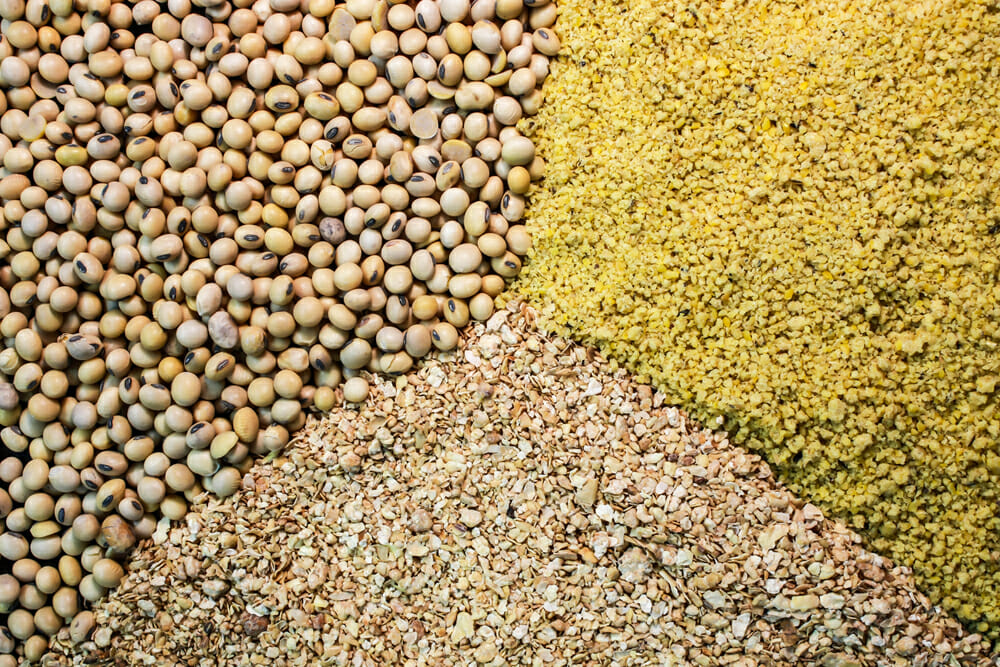
After energy, protein is the most important nutrient in a horse’s diet. Protein is needed to build good quality hoof, hair, skin, organ tissue, muscles, eyes, blood, and bones. Protein is also a crucial part of enzymes and hormones and is an absolutely essential nutrient in a horse’s diet. After water, it’s the most plentiful substance in a horse’s body.
But as with many nutrients, ‘proteins ain’t proteins’. Some protein is of very high quality, other proteins can be so low in quality that they will seriously limit a horse’s ability to grow, reproduce, perform or build muscle. So, what determines protein quality? First, let’s look at what proteins are.
Proteins are long chains of small molecules called amino acids. As a good analogy, think of amino acids as train carriages that join together with other amino acids to form a protein ‘train’. Amino acids, and therefore proteins, are organic compounds containing carbon, oxygen, hydrogen, nitrogen and sulphur.
There are 21 amino acids which can be joined together in almost limitless combinations to form proteins. Up to 12 of these amino acids can be manufactured by the horse in its body, so they are known as non-essential amino acids. Under certain conditions like growth or illness, six of these non-essential amino acids must also be supplied in the diet. These ones are therefore known as ‘conditionally essential amino acids’. The remaining 9 amino acids are termed ESSENTIAL amino acids. These essential amino acids cannot be manufactured by the horse and must be supplied by the diet.
The 3 most limiting amino acids in the equine diet (meaning the amino acids that are likely to become deficient first and limit the horse’s ability to grow, reproduce, perform or build muscle) are lysine, threonine and methionine.
While it is possible, and even likely, that horses do absorb some very high-quality bacterial protein from their hindgut, a majority of a horse’s protein needs are met by what is fed in the diet. So, the quality of protein you feed is extremely important.
Protein quality is determined by how well a particular protein meets a horse’s requirement for amino acids, and particularly the essential amino acids. In other words, a high quality protein will contain amino acids in very similar proportions to the amino acids a horse needs. Low quality proteins will either be too low in some of the essential amino acids to meet a horse’s requirement or they will contain essential amino acids that are not available for absorption, again making that protein unable to meet a horse’s requirement.
Different feeds contain different levels of the essential amino acids and thus vary in ‘quality’. As a general rule, grass hay and pasture contain lower quality protein than legume hay and pasture like lucerne/alfalfa and clover. C4 type grasses also contain lower quality protein than C3 type grasses.
Cereal grains like oats, corn, and barley contain lower quality protein than legumes such as soybean, lupins, and beans. Co-products like copra meal sit in the middle with lower quality protein than legumes, but better quality protein than cereal grains. Of the commonly used protein ingredients in horse feed, heat treated cottonseed meal contains the lowest quality protein of all. Soybean contains the highest concentrations and best combination of many of the essential amino acids and is thus touted as the best quality vegetable protein available.
The absolute Rolls Royce of protein quality is whey protein. It has exceptionally high levels of essential amino acids that match almost perfectly a horse’s needs for protein. Just a small note of caution, if you wish to use whey protein in your horse’s diet, be sure to purchase ‘whey protein concentrate’ and not ‘whey powder’. Whey powder is only about 13% protein and contains over 50% lactose, making it unsuitable for use in equine rations.
Not all horses need very high quality protein in their diet. Dry or early pregnant mares and horses in good condition that are either not in work or only in light work have only moderate to low protein requirements that are generally easily met by average to good quality grass pasture and/or hay.
Growing horses, late pregnant and lactating mares, performance horses, and any horse needing to build and maintain muscle mass do require high quality protein in their diet. These classes of horse will not do as well as they could unless high quality protein is supplied in the diet. Grass pasture or hay-based diets will generally need to be supplemented with some legume hay or grain for the best results. This is why adding lucerne/alfalfa hay to the diet of horses needing to gain weight is recommended (see our post 7 simple steps for putting weight on your horse). The table below shows the % crude protein and g/kg of lysine in some common feed ingredients.
| Name | Crude Protein (%) | Lysine (g/kg) |
|---|---|---|
| Whey Protein Concentrate | 80 | 89.8 |
| Soybean Meal | 45 | 30.1 |
| Soybean (Full Fat) | 37 | 23.3 |
| Canola Meal | 37 | 21.1 |
| Faba (Tick) Beans | 24 | 14.8 |
| Wheat Germ | 23 | 14.7 |
| Cottonseed Meal* | 36 | 14.7 |
| Lupins | 28 | 13.3 |
| Linseed Meal | 32 | 11.8 |
| Sunflower Meal | 32 | 11.0 |
| Linseed | 24 | 9.2 |
| Copra Meal | 21 | 8.4 |
| Lucerne Hay | 17 | 8.0 |
| Rice Bran | 14 | 7.0 |
| Palm Kernel Meal | 17 | 6.4 |
| Millrun | 15 | 6.3 |
| Wheat Pollard | 14 | 6.3 |
| Wheat Bran | 14 | 5.6 |
| Black Sunflower Seeds | 29 | 5.1 |
| Soybean Hulls | 12 | 4.7 |
| Sugarbeet Pulp | 9 | 4.0 |
| C3 Type Grass Hay | 11 | 3.8 |
| Barley | 10 | 3.7 |
| Oaten Hay | 8 | 3.0 |
| C4 Type Grass Hay | 9 | 2.8 |
| Oats | 8 | 2.8 |
| Wheaten Hay | 8 | 2.8 |
| Corn (Maize) | 10 | 2.8 |
| Rice (White) | 8 | 2.7 |
| French White Millet | 11 | 2.1 |
| Oat Hulls | 4 | 1.8 |
| * Heat treated cottonseed meal appears to have moderate levels of lysine, however during the oil extraction process, a toxic compound called gossypol binds itself to lysine, which means the gossypol is no longer toxic, but it does render the lysine indigestible, so digestible lysine levels are much lower than this. | ||
The FeedXL Premium and Advisor plans include lysine as part of the nutrition analysis of a horse’s diet. Making sure that crude protein as well as lysine requirements are met in a diet will ensure your horse is getting the level of protein quality it needs.
If your diet is low in lysine, this indicates that the overall protein quality of the diet is low. In these situations, your horse’s ability to use the protein in its diet to grow, reproduce, build muscle or perform will be limited, even if crude protein requirements are met in the diet. If your horse’s diet does indicate lysine levels are too low, the following steps to increase lysine are recommended (in order):
Lysine supplements are also available and can be used to boost lysine levels in your horse’s diet. You should however be aware that the level of lysine as shown by FeedXL in your horse’s diet is an indicator for overall protein quality in the diet. Increasing lysine by using legume hays or grains or whey means that along with lysine, you are also adding methionine, threonine and the remaining 6 essential amino acids. Adding purified lysine will certainly fill the specific lysine deficiency, but it may leave your horse with unquantified deficiencies of other essential amino acids.
When looking at protein in your horse’s diet, always remember ‘proteins ain’t proteins’. Depending on their amino acid composition, some proteins are very high quality with good levels of essential amino acids while others are low in essential amino acids and therefore low in quality. The high quality proteins, including those from legume forages including lucerne/alfalfa and grains like soybean are able to support growth, pregnancy, lactation and muscle building, while low quality proteins like those from cottonseed meal and cereal grains will not be capable of properly supporting horses with large requirements for quality protein.
Not all horses require high quality protein, but if your horse is pregnant, lactating, growing or working hard and needing to build and maintain muscle mass the quality of protein in the diet will play a big role in determining how well your horse ‘performs’. Use FeedXL Premium to keep track of protein quality and to alert you when the diet is deficient.
We would love to welcome you to our FeedXL Horse Nutrition Facebook Group. Ask questions and have them answered by PhD and Masters qualified equine nutritionists and spend time with like-minded horse owners. It’s free!
Click here to join the FeedXL Horse Nutrition Facebook Group
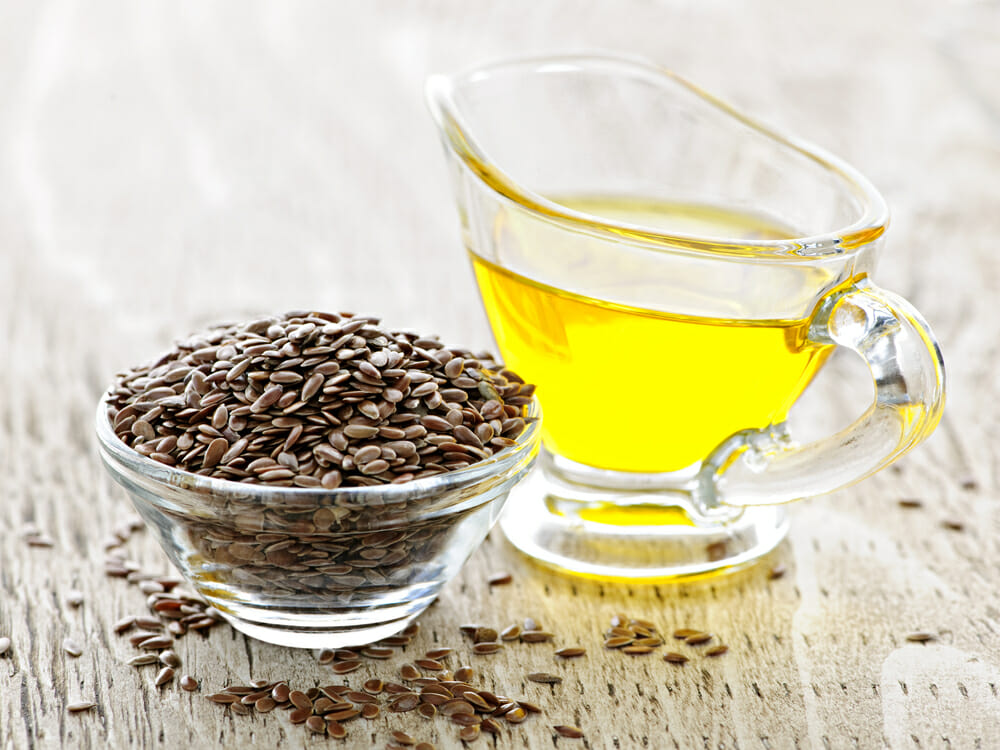
‘Omega 3’ is a term used to describe a group of fatty acids that cannot be made by an animal. They are therefore classified as essential fatty acids because they must be consumed in the diet. There are three ‘Omega 3’ fatty acids; the ‘short chain’ alpha-linolenic acid (derived from plants) and the ‘long chain’ eicosapentaenoic acid (EPA) and docohexaenoic acid (DHA) (available almost exclusively from oily fish). Alpha-linolenic acid is the only form of Omega 3 present in a horse’s natural diet. This form of Omega 3 can be transformed (elongated) into EPA and DHA via a metabolic pathway in the horse’s body. EPA and DHA are the two biologically active forms of Omega 3.
Omega 3 fatty acids are important constituents of all cell membranes. They are primarily needed for the production of eicosanoids, including leukotrienes (involved in inflammatory responses), prostaglandins (involved in smooth muscle contraction and inflammation), and thromboxanes (involved in blood clot formation). All cells in a horse’s body except the blood cells produce eicosanoids and the eicosanoids have their effect directly on the cell that produced them. They are highly potent chemicals and absolutely essential for the normal functioning of a cell.
Omega 3 fatty acids are also important in maintaining cell membrane structure and function as well as central nervous system development and immune function, plus they have a role in male fertility, affecting the shape, motility and concentration of sperm in seminal fluid.
Omega 6 is another essential fatty acid. Omega 6 is present in equine diets as the ‘short chain’ linoleic acid (the plant form of Omega 6) which is then transformed (elongated) to the biologically active ‘long chain’ forms of Omega 6 known as dihomo-gamma-linolenic acid (DGLA) and arachidonic acid (AA). Both Omega 3 and Omega 6 are required in the equine diet. Omega 6, like Omega 3 is an important constituent of cell membranes and plays a critical role as a precursor for the eicosanoids (leukotrenes, prostaglandins and thromboxanes) that control swelling, inflammation, clotting and dilation.
The reason the Omega 6 to Omega 3 ratio is important is the plant derived Omega 3 fatty acids and Omega 6 fatty acids share a common enzyme in the first step of the metabolic pathway they need to travel to be ‘elongated’ into the long chain forms of Omega 3 and 6 fatty acids (which are then used to produce physiologically active prostaglandins).
Omega 3 fatty acids are first elongated to EPA and then EPA is turned into what are termed ‘series 3 prostaglandins’. Omega 6 fatty acids are elongated to DGLA which is then turned into ‘series 1 prostaglandins’ or AA which leads to the production of ‘series 2 prostaglandins’.
The first step in the elongation of Omega 3 and 6 fatty acids requires an enzyme called Delta-6 Desaturase (D6D). If there is too much Omega 6 present in the cells where prostaglandin production is occurring, the Omega 6 will ‘outcompete’ the Omega 3 fatty acids for this enzyme. The result being overproduction of the Omega 6 derived prostaglandins and not enough of the Omega 3 derived prostaglandins. The Omega 3 prostaglandins tend to have an opposing or modulating effect on the Omega 6 derived prostaglandins (Omega 3 derived prostaglandins aren’t necessarily anti-inflammatory, but they are less inflammatory than their Omega 6 relatives). The ultimate effect of too much Omega 6 in a diet is increased inflammation, increased risk of blood clotting and constriction of blood vessels.
Interestingly, phenylbutazone’s (Bute) mode of action is to block these same pathways, preventing Omega 6 fatty acids from being transformed into pro-inflammatory prostaglandins.
With the competitive nature between Omega 3 and Omega 6 and the consequences of a diet too high in Omega 6, the ratio of Omega 3 to Omega 6 in any animal’s diet (including our own) is extremely important.
Other nutrients including biotin, vitamin E, zinc, vitamin B12 and vitamin B6 are also reportedly required to allow the efficient transformation of alpha-linolenic acid to EPA and DHA.
To date there is no established ratio of Omega 6: Omega 3 in a horse’s diet. However, if we look at the diet horses evolved to eat, being primarily grasses and herbs, we can start to hypothesise that horses should have a diet that contains more Omega 3 than Omega 6. We suggest at the very most a horse’s diet should contain 1 part Omega 6 to 1 part Omega 3.
Forages contain more Omega 3 than Omega 6 while grains contain more Omega 6 than Omega 3. Some oilseeds like sunflowers contain more than 200 times as much Omega 6 as Omega 3 while other oilseeds like linseed (flax) contain close to 3.5 times more Omega 3 than 6. A detailed breakdown of the amount of Omega 3 and 6 in common horse feeds is shown in the table below (data from Premier Nutrition).
| Ingredient Name | Omega 3 (%) | Omega 6 (%) | O6: O3 Ratio |
|---|---|---|---|
| Pasture (3.5% Crude Fat)* | 1.8 | 0.6 | 0.3: 1 |
| Grass Hay | 1.0 | 0.3 | 0.3: 1 |
| Alfalfa/Lucerne Hay | 0.5 | 0.4 | 0.7: 1 |
| Oats | 0.1 | 2.4 | 19.5: 1 |
| Corn/Maize | 0.03 | 1.9 | 55: 1 |
| Barley | 0.1 | 1.1 | 9.1: 1 |
| Rice Bran | 0.2 | 6.6 | 37: 1 |
| Wheat Bran | 0.2 | 2.1 | 11.6: 1 |
| Sunflower Seeds | 0.13 | 27.1 | 206: 1 |
| Full Fat Soybean | 1.4 | 9.8 | 7.2: 1 |
| Soybean Meal | 0.1 | 1.0 | 7.2: 1 |
| Lupins | 0.7 | 1.5 | 2: 1 |
| Faba Beans | 0.1 | 0.9 | 12.8: 1 |
| Copra Meal | 0 | 0.2 | N/A |
| Canola Meal | 1.1 | 2.2 | 2.0: 1 |
| Sugarbeet Pulp | 0.04 | 0.2 | 5.8: 1 |
| Soybean Hulls | 0.2 | 1.1 | 7.2: 1 |
| Brewers Grains | 0.2 | 2.2 | 9.3: 1 |
| Dried Distillers Grains (maize) | 0.1 | 3.8 | 55.4: 1 |
| Linseed (Flax) Whole | 19.1 | 5.6 | 0.3: 1 |
| Linseed Meal | 4.5 | 1.3 | 0.3: 1 |
| Coconut Oil | 0.1 | 2.0 | 20: 1 |
| Cod Liver Oil | 24.5 | 2.0 | 0.1: 1 |
| Canola Oil | 9.8 | 19.5 | 2: 1 |
| Soybean Oil | 7.2 | 51.7 | 7.2: 1 |
| Sunflower Oil | 0.3 | 60.5 | 206: 1 |
| Corn Oil | 0.9 | 55 | 55: 1 |
| Olive Oil | 0.7 | 10.8 | 15.7: 1 |
| Linseed (Flax) Oil | 57.4 | 13.9 | 0.24: 1 |
* Data from Mel’uchova et al (2008)
Diets primarily based on forages that don’t use large amounts of oils like corn or sunflower oil should contain more Omega 3 than Omega 6. Diets that contain a moderate to large amount of grain and small amounts of forage (like the typical racehorse diet) will almost certainly contain far more Omega 6 than Omega 3.
Most of what we know about omega fatty acids is derived from research in other animal species including humans. There is however some equine research that does lend support to supplementing diets with Omega 3 fatty acids. In a study that used 16 horses with arthritis, Manhart et al (2009) reported that horses supplemented with DHA and EPA experienced a greater decrease in joint fluid white blood cell counts and lower plasma prostaglandin E2 levels (an Omega 6 derived prostaglandin which is a pro-inflammatory pain producer and plays a major role in osteo-arthritis. It is this prostaglandin that many non-steroidal anti-inflammatory drugs block the production of to reduce pain and inflammation).
A study published in the Canadian Journal of Veterinary Research in 2002 (O’Neill et al) looked at the ability of flaxseed to reduce the inflammation associated with culicoides (midge) hypersensitivity (sweet itch or Queensland itch). These researchers reported that feeding 1 lb of flaxseed per 1000 lb of bodyweight to horses (or 0.5 kg per 500 kg bodyweight, equivalent to 3.5 oz or 100 ml of flaxseed oil) over a period of 42 days reduced inflammation and the size of the area that reacted to culicoides extract which was injected into the skin. In contrast to this study however, Friberg et al (2002) reported that horses supplemented with either 200 ml/day of flaxseed oil or 200 ml/day of corn oil showed no difference in the lesional surface area associated with culicoides allergy or the number of times horses itched. O’Neill et al believe the difference between the results reported by these two studies may lie somewhere in the fact they used whole flaxseed and not just the extracted oil. Unfortunately, the omega 6 to omega 3 ratio was not reported in these studies. Horses in the Friberg et al study were maintained on ‘pellets’ so it is possible that their dietary Omega 6 ratio was too high for 200 ml of flax oil to have a noticeable benefit. It was noted in this study that a miniature horse receiving the full 200 ml dose responded particularly well to the supplement which may indicate that the dose for the larger horses needed to be much higher to have a significant benefit.
Brinsko et al (2009) studied the sperm quality in 8 stallions when they were fed their normal diets with or without a DHA-enriched supplement. This study found no difference in fresh sperm quality, however, as the semen was cooled and stored, sperm quality tended to be better when the stallions were supplemented with DHA. Most of the improvements observed however were not statistically significant (which means they may have just happened by chance and may not actually be due to the supplement).
Pagan et al (2010) reported that supplementation with 60 ml of fish oil significantly increased serum and red blood cell EPA and DHA while supplementation with 60 ml of corn oil significantly reduced red blood cell EPA levels. Pagan et al (2012) have also reported improved insulin sensitivity in horses supplemented with omega 3 fatty acids from fish oil.
If your horse’s diet contains a moderate to large amount of grain or high Omega 6 oils like corn or sunflower oil you may need to consider adding additional Omega 3 to the diet to keep the ratio of Omega 6 to Omega 3 at or preferably below 1: 1. Take the following diets as examples:
| 10 kg/day (22 lb) | Pasture |
| 2 kg/day (4.4 lb) | Alfalfa/Lucerne Hay |
| 0.5 kg/day (1.1 lb) | Oats |
| 200 g/day (7 oz) | Sunflowers |
| 100 g/day (3.5 oz) | Vitamin and Mineral Supplement |
This diet will contain an Omega 6 to Omega 3 ratio of 0.4: 1 and does not need additional Omega 3 supplementation. The diet is however still higher in Omega 6 than a 100% forage based diet so some Omega 3 supplementation may be warranted in certain situations, for example if the horse is arthritic.
| 2 kg/day (4.4 lb) | Pasture |
| 4 kg/day (8.8 lb) | Alfalfa/Lucerne Hay |
| 3 kg/day (6.6 lb) | Oats |
| 2.5 kg/day (5.5 lb) | Corn/Maize |
| 250 g/day (9 oz) (5.5 lb) | Sunflowers |
| 250 ml/day (9 floz) | Corn Oil |
| 100 g/day (3.5 oz) | Vitamin and Mineral Supplement |
This diet will contain an Omega 6 to Omega 3 ratio of 3.5: 1 and would benefit from additional Omega 3 supplementation. Adding 400 ml of linseed oil to this diet will lower the Omega 6 to Omega 3 ratio to 1: 1 and also allow for some of the high Omega 6 grain to be removed from the diet. You can monitor your Omega 3 and 6 levels and the ratio in FeedXL Premium and Advisor plans. Note however that most manufacturers do not yet include this information when reporting the nutrients in their products!
There are various ways to add additional Omega 3 to diets. The best-known Omega 3 supplement for horses is linseed (flax) oil. Linseed oil is 57% Omega 3, making it a useful Omega 3 supplement. Freshly ground linseed can also be used (read FeedXL Newsletter # 22 Feeding Flaxseed). Linseed meal will have very little effect on a diet’s overall Omega 6 to 3 ratio as even though linseed meal does contain more Omega 3 than 6, the amount of Omega 3 in linseed meal is so small it really won’t influence the overall diet’s Omega fatty acid ratio. Commercial Omega fatty acid supplements are also available and these now often contain fish oil to provide a direct source of DHA and EPA in the diet.
Of course, the best way to maintain a balanced Omega 6 to 3 ratio in your horse’s diet is to maintain them on a largely forage based diet and only use grains and oilseeds like sunflower seeds in moderate to large amounts where absolutely necessary.
Join FeedXL today and take control of your horse’s nutrition
Get EVEN MORE practical and personalised feeding guidance when you sign up to FEEDXL.
SIGNUP TO FEEDXL NOW
We would love to welcome you to our FeedXL Horse Nutrition Facebook Group. Ask questions and have them answered by our qualified equine nutritionists and spend time with like-minded horse owners. It’s free!
Click here to join the FeedXL Horse Nutrition Facebook Group
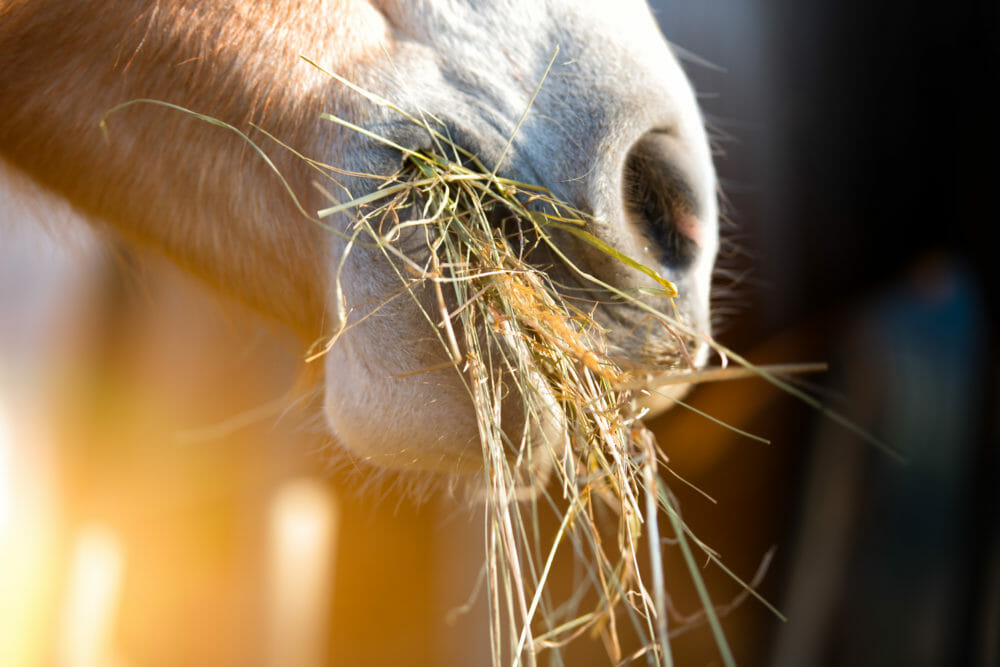
Biotin is a vitamin essential for many functions in a horse’s body, including: fatty acid synthesis, protein and energy metabolism and cell proliferation.
In equine nutrition biotin is best known and most commonly used to positively influence hoof quality. There are many biotin supplements available. Some contain only biotin, others also have nutrients like methionine and organic zinc. These supplements are marketed as hoof supplements and the one thing they usually have in common is they are expensive. The question is, does your horse actually need supplemental biotin?
Your horse has access to two sources of natural biotin. Biotin is contained in most feeds and forages, particularly green fresh forages. In addition, the bacteria in a healthy horse’s gut produce biotin which is made available to the horse.
Therefore a horse on a forage based diet with a healthy gut should not need to be supplemented with biotin. BUT there are plenty of horses on this type of diet with poor quality hooves. Often horse owners turn straight to biotin in this situation to improve hoof quality. However, it is unlikely a biotin deficiency is causing the problem, which means biotin certainly isn’t going to fix it.
While supplementing with biotin may seem a good solution to improve hoof quality, it won’t help if the rest of the diet is unbalanced. Minerals like copper and zinc and good quality protein all need to be in the horse’s diet in balanced quantities for the horse to grow quality hoof.
Feed a completely balanced diet! If your horse has poor quality hooves it is likely its diet is missing something and it probably isn’t biotin. Steps to achieving good quality hooves are:
There are some situations that may warrant biotin supplementation. These are:
If any of these situations apply to your horse and its hoof quality is poor despite a balanced diet it is possible that it is not receiving enough biotin. FeedXL will work out the best dose for your horse so that supplementing is effective. As a guide, a 500 kg (1100 lb) horse will need 20 mg of biotin per day and you will need to supplement for around 6 months for it to really work.
Join FeedXL today and take control of your horse’s nutrition
Get EVEN MORE practical and personalised feeding guidance when you sign up to FEEDXL.
SIGNUP TO FEEDXL NOW
We would love to welcome you to our FeedXL Horse Nutrition Facebook Group. Ask questions and have them answered by PhD and Masters qualified equine nutritionists and spend time with like-minded horse owners. It’s free!
Click here to join the FeedXL Horse Nutrition Facebook Group