Laminitis can be time consuming, painful for your horse and heartbreaking for you. A proper diet can make it a whole lot easier.
A majority of laminitis cases are due to insulin dysregulation. For this reason, a diet based on low non-structural carbohydrate (NSC; starch + sugars) forage is vital. Good quality protein is important for aiding in recovery, especially of the hoof. And meeting requirements for vitamins and minerals is also a must for general health and immune function.
The good news is, feeding a laminitic horse doesn’t have to be difficult. The following are some guidelines for making it easier; first is getting the basics right. Then we fine‐tune for weight changes. And finally, there are some tips on dealing with boredom and associated problems like hoof repair.
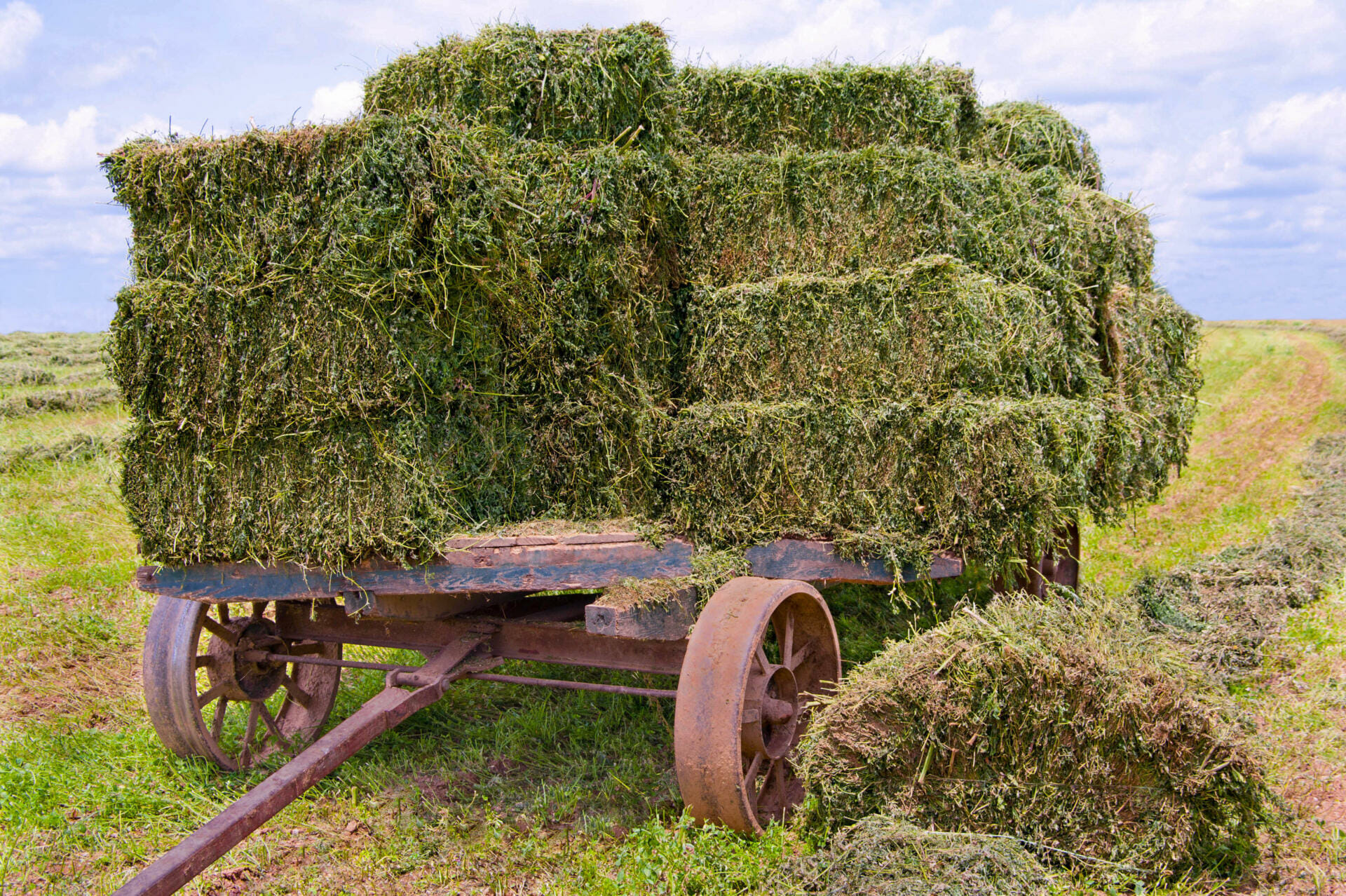
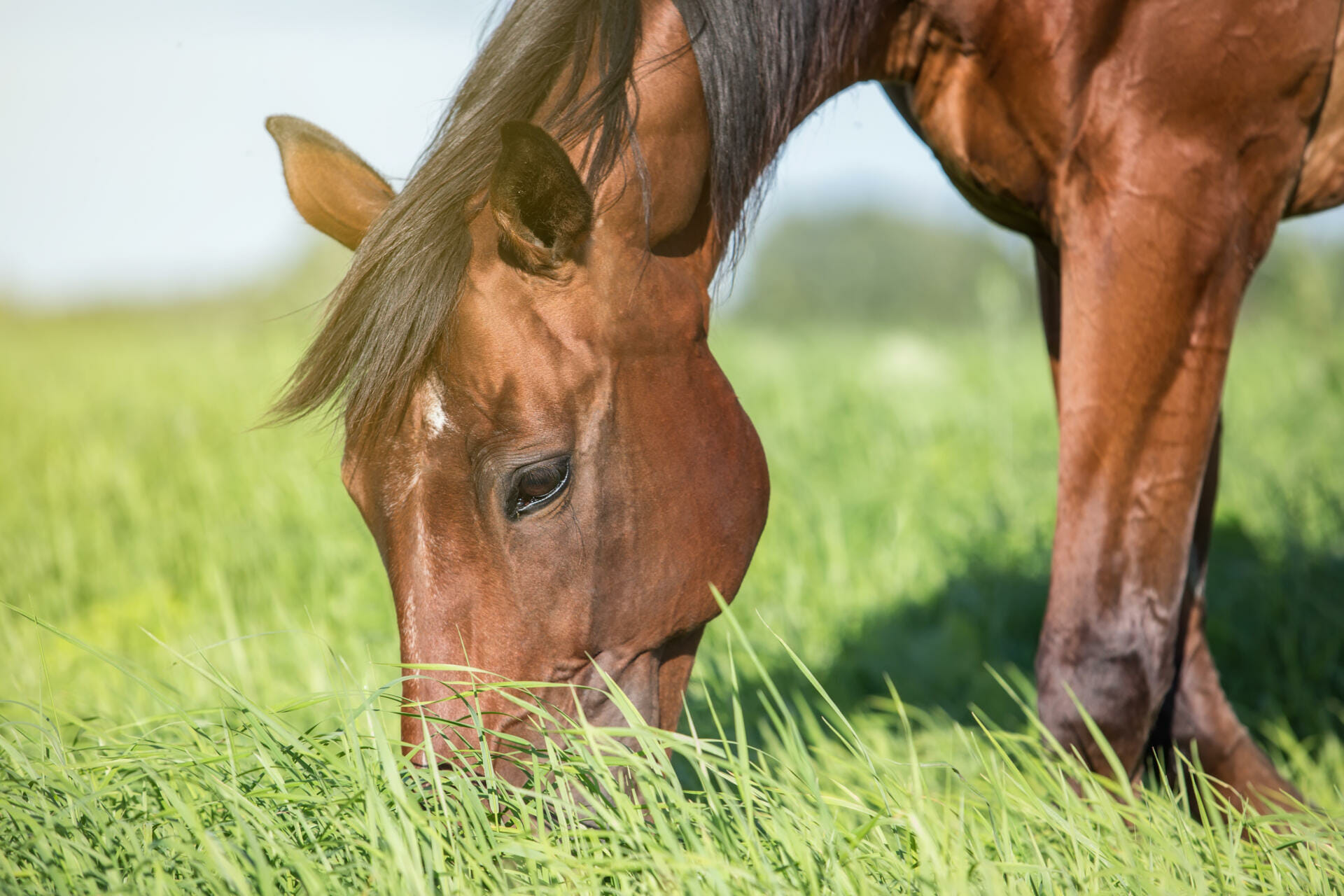
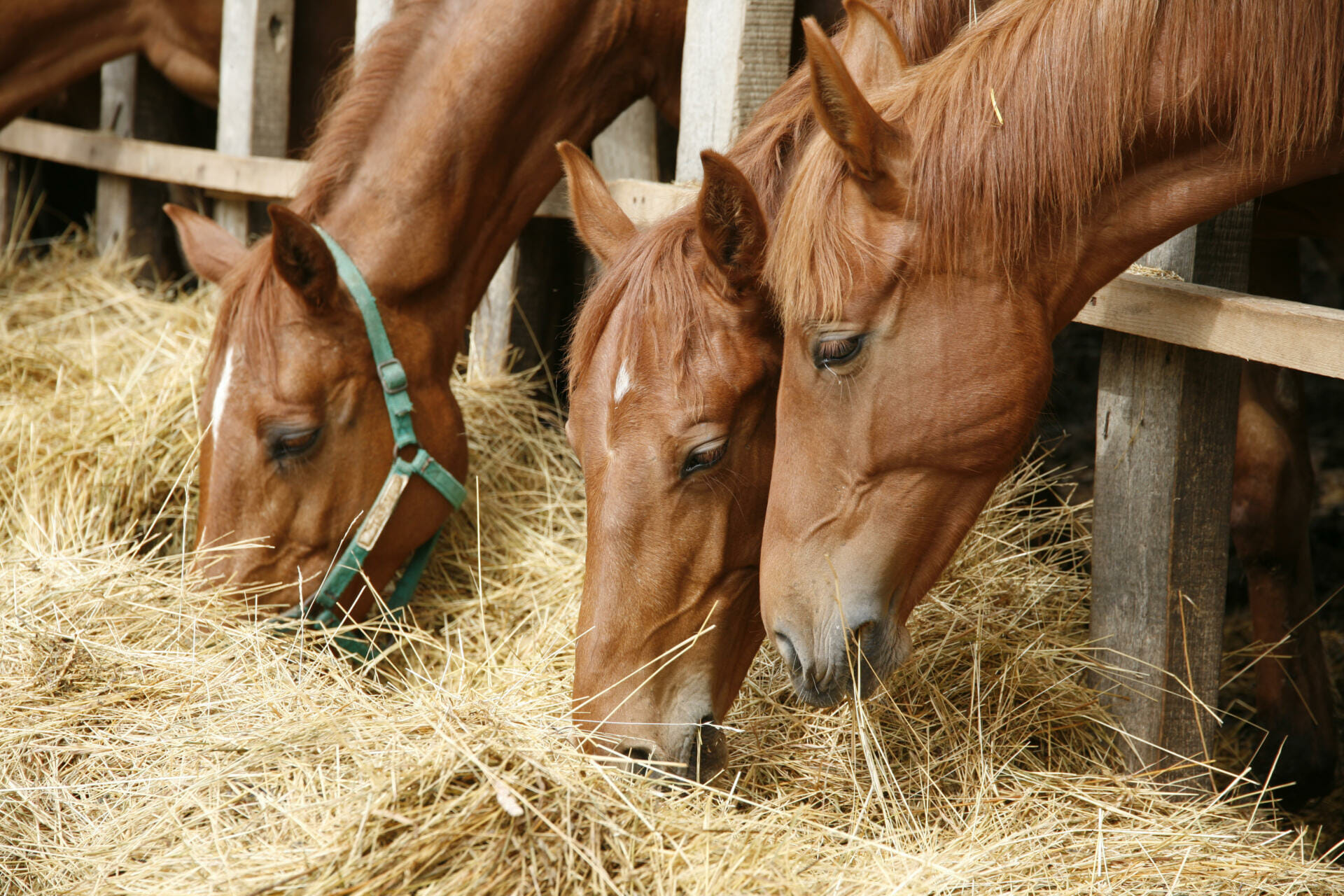
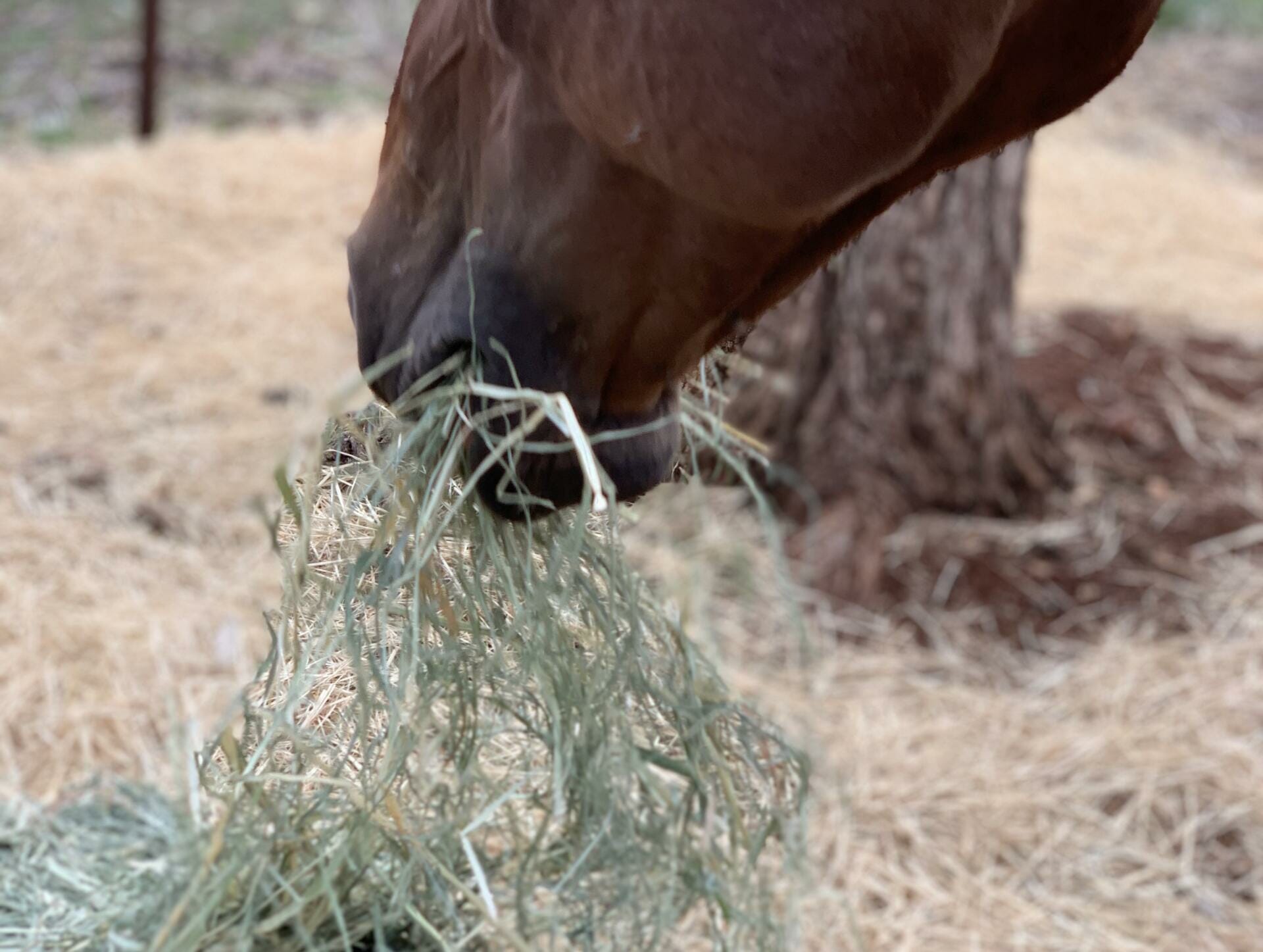
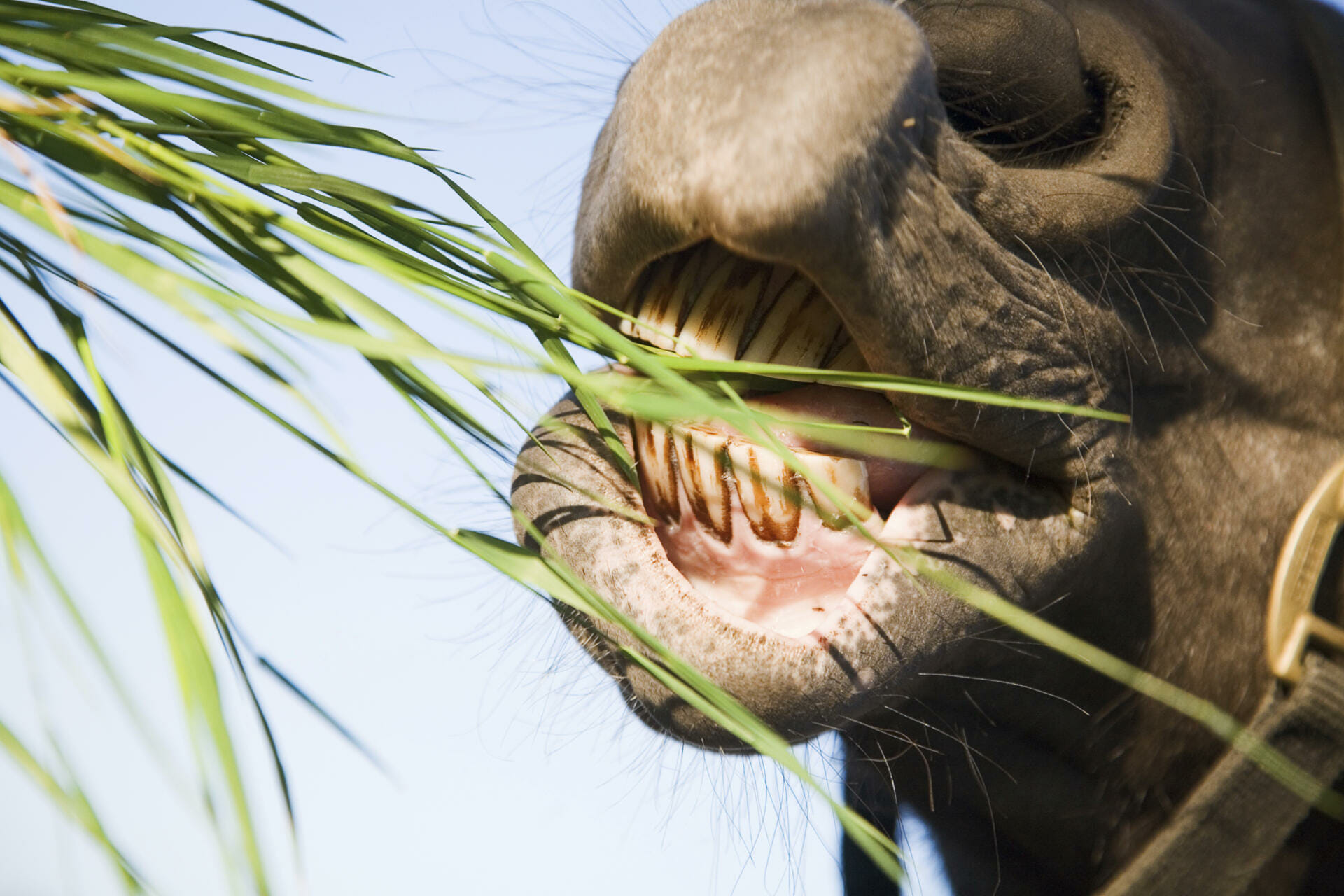
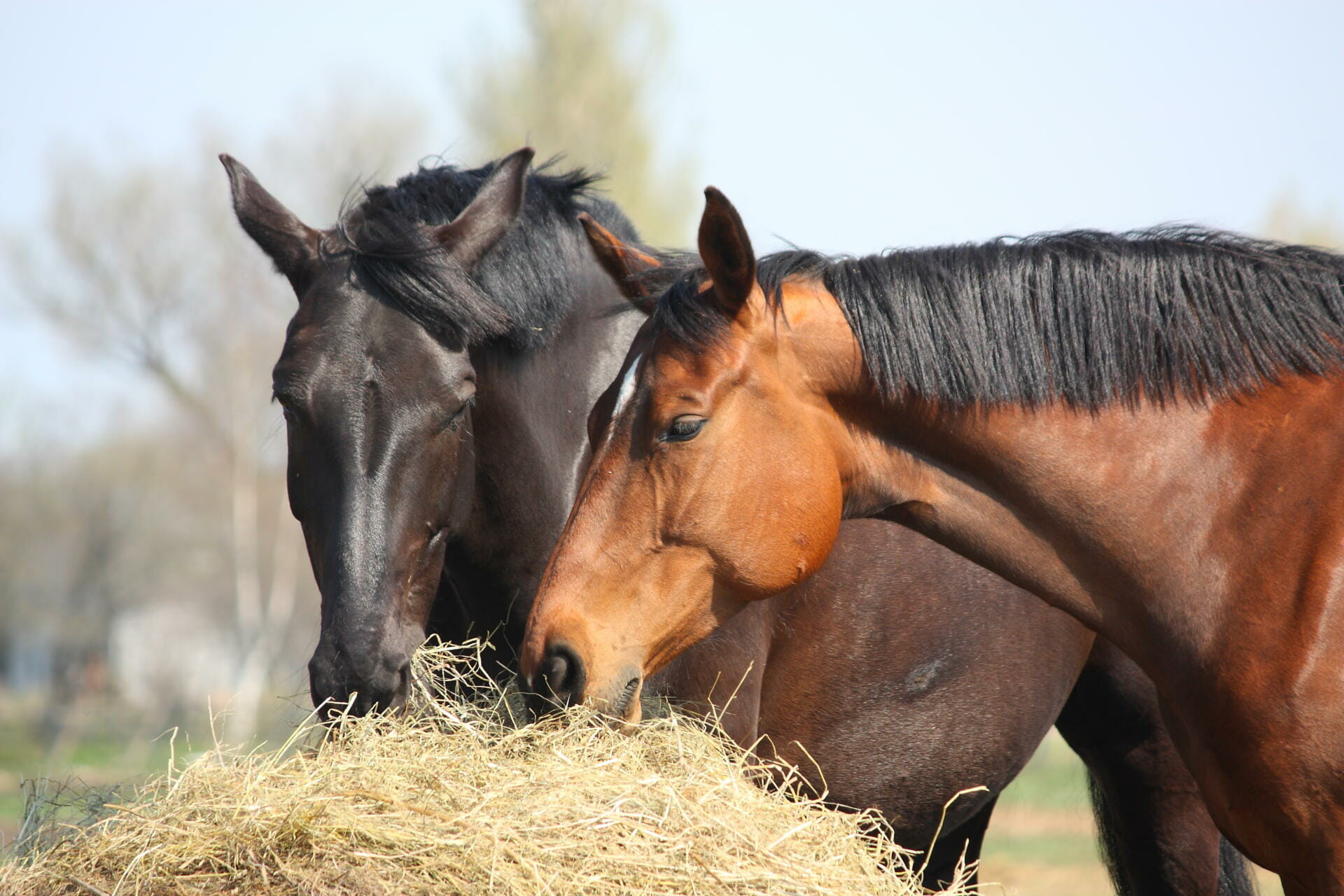
All horse diets should be based on forage and the laminitic horse is no different. However, they need low NSC forages. There are a few ways you can give your horse access to low NSC forages. These are:

If your horse needs extra feed in addition to the low NSC forage you are feeding you must be very careful when selecting a suitable feed. You should never feed a laminitic horse with a feed that has any of the following ingredients:
Read all labels and lists of ingredients carefully before buying a feed. And it is buyer beware. Many feeds that contain grain ‘by‐products’ like wheatfeed/millrun, bran or pollard advertise themselves as being ‘grain‐free’. This is grossly misleading and these feeds present as much danger to your laminitic horse as a feed that contains grain.
Other feeds claim to be ‘Low GI’, but again, if they contain any of the ingredients listed above, they should be avoided for laminitic horses. And finally, watch out for molasses added to feeds as this can make a feed high in sugar.
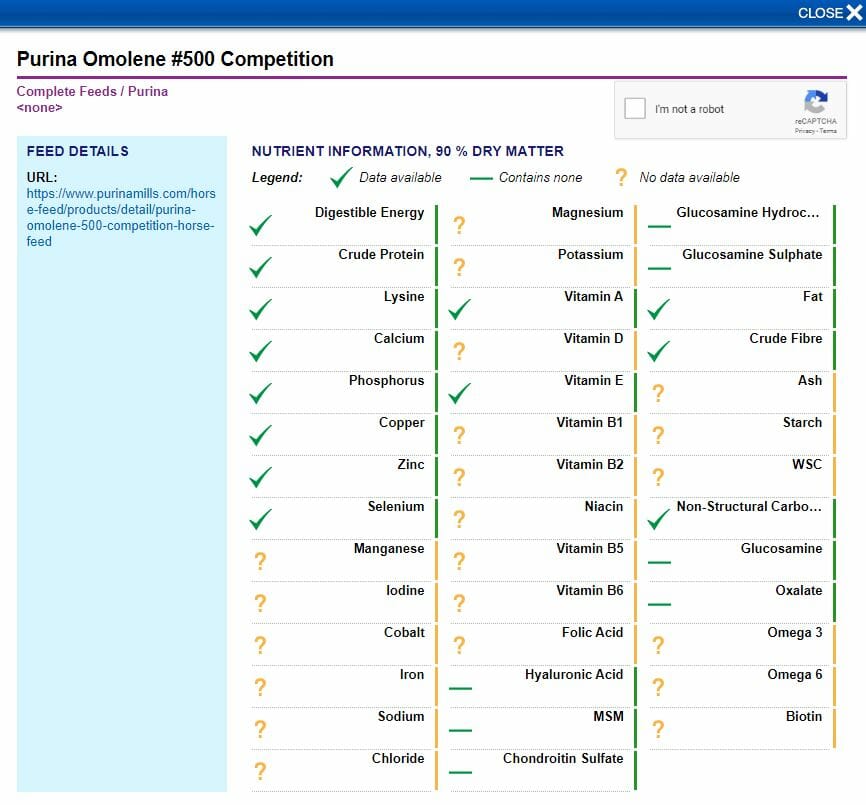
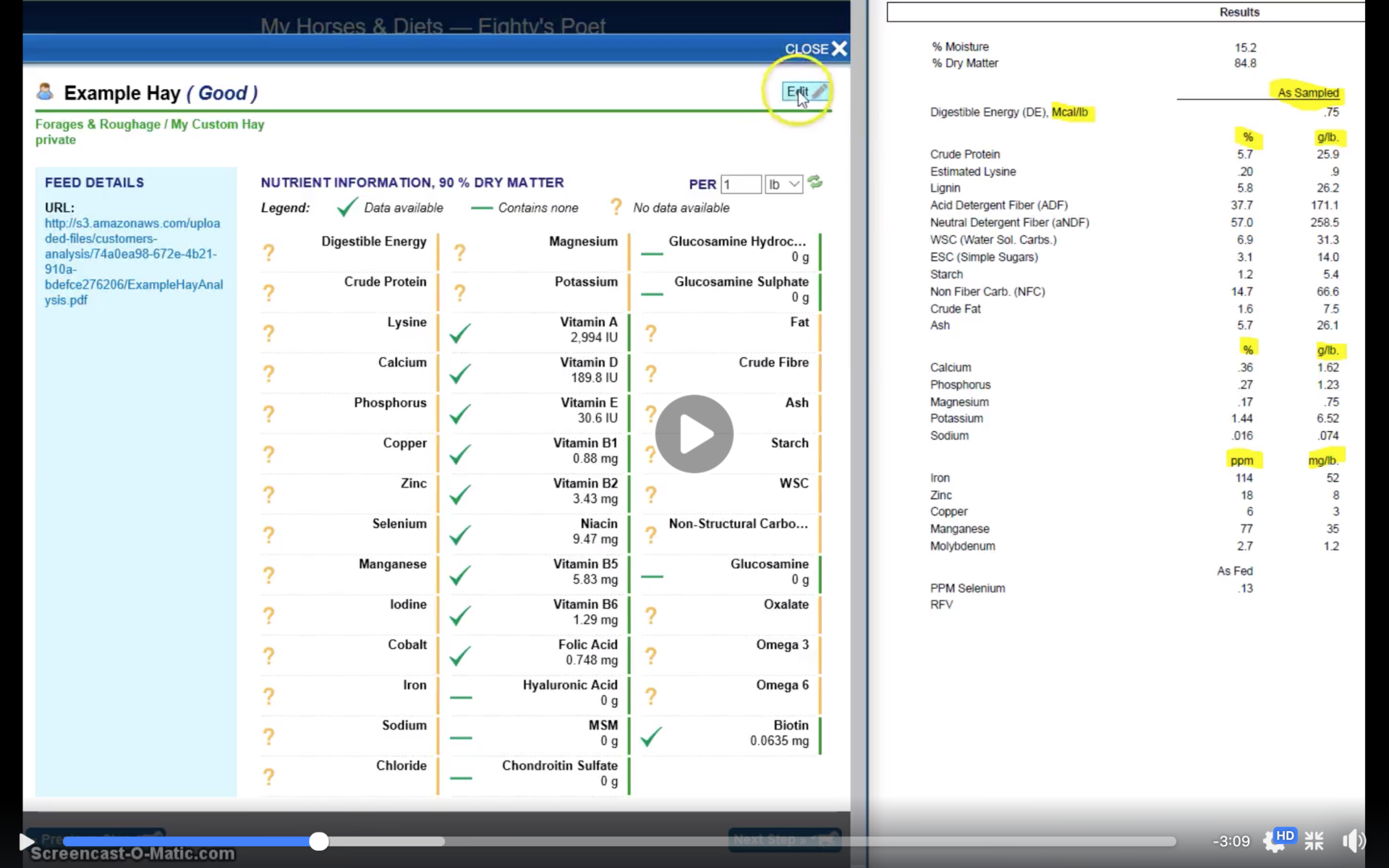
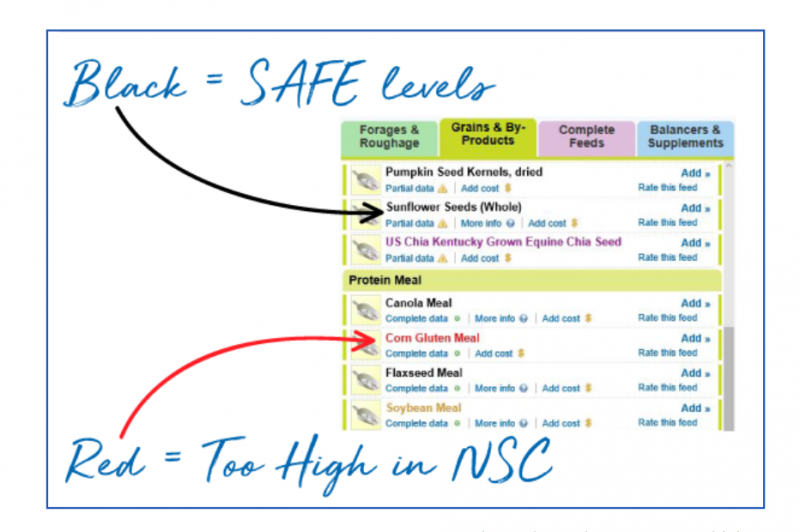
FeedXL will help you select suitable feeds that do not contain these ingredients by highlighting all unsuitable feeds for laminitic horses. Very few feeds are truly suitable for a laminitic horse.
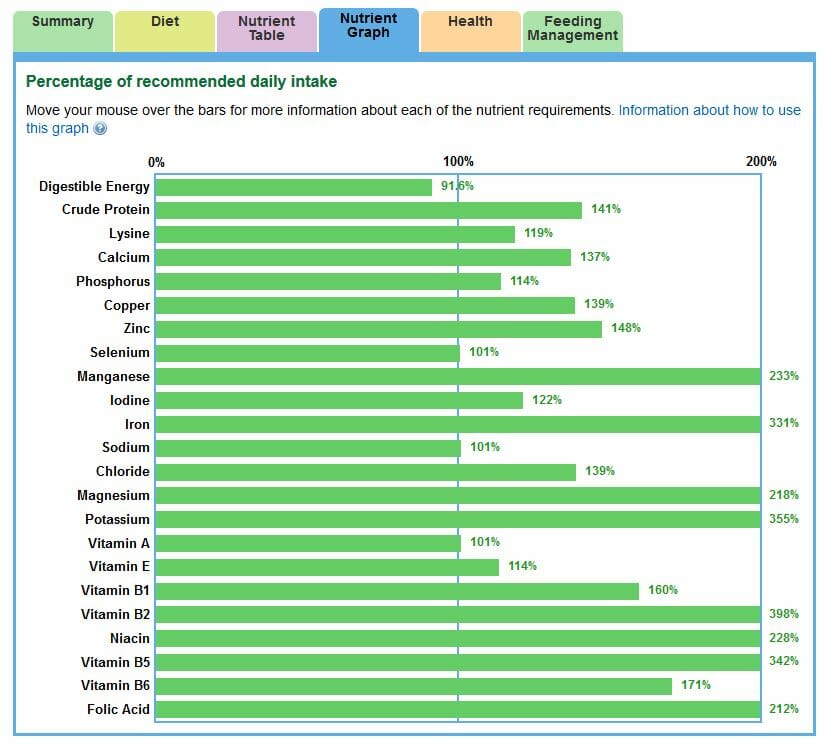
It is very important to make sure the diet you are feeding your laminitic horse is balanced. Meeting the laminitic horse’s requirements for protein, amino acids, vitamins and minerals will help them recover from any previous bouts of laminitis, help them to resist other disease and infection and will keep them in good overall health with a strong immune system!
FeedXL will help you put a low NSC diet together that also meets requirements for protein, amino acids, minerals and vitamins.
Assess the body condition (fatness) of your horse and have a clear goal in mind as to whether you want the horse to gain, hold or lose weight. Click here to read our post ‘Why Body Condition Score’.
If the goal is to gain weight you should:
OR
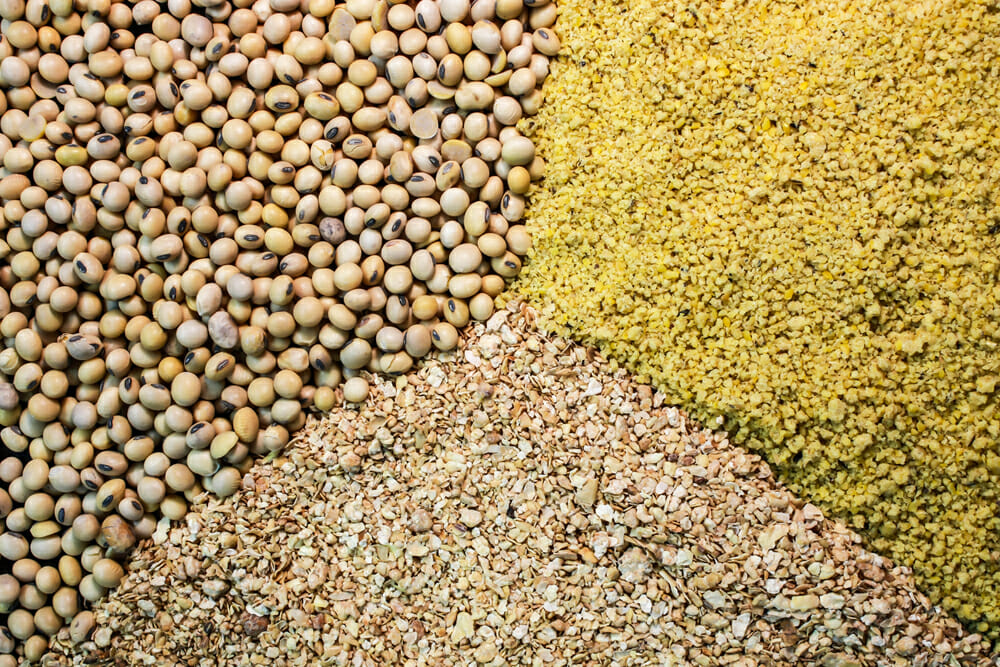
Mix your own low NCS balanced feed by using high calorie unfortified ingredients like soybean or lupin hulls, sugarbeet pulp and copra meal. Then add your own vitamins and minerals via a low dose rate vitamin and mineral supplement and add protein from soybean or lupins.
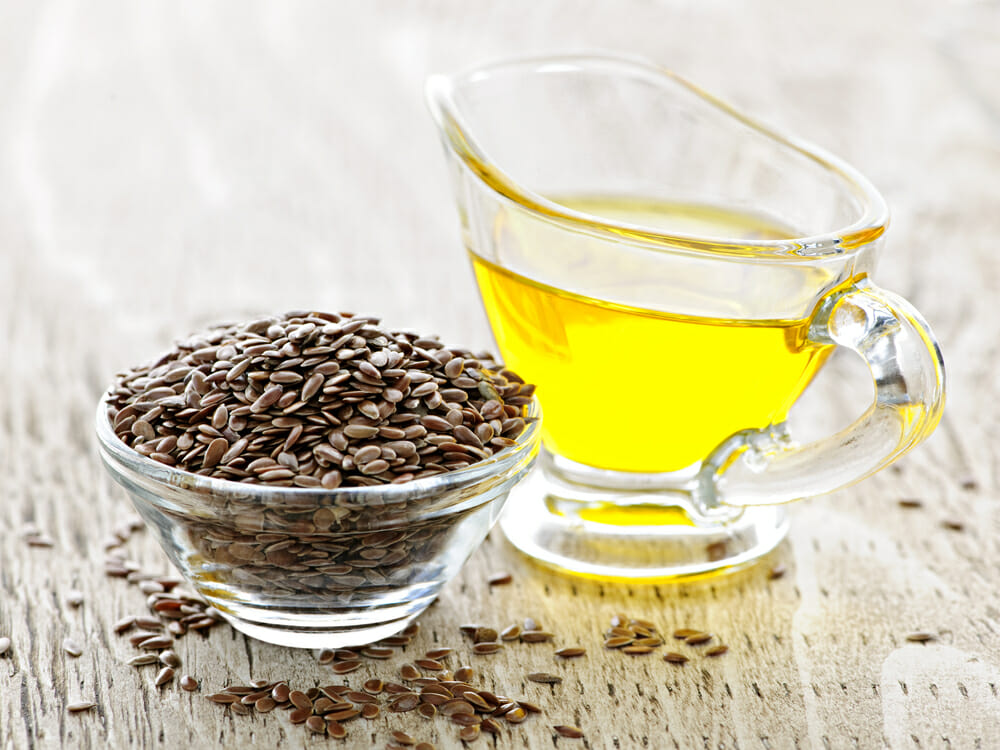
If additional weight gain is needed add some oil to the diet. Start with ¼ of a cup per day and gradually increase the amount if required. Flaxseed (linseed) oil is a good choice for laminitics due to its high omega 3 content.
To maintain your horse’s weight, you should:
OR
Switch to using a low NSC complete feed at the recommended rate for your horse.
If your horse needs to lose weight you must do it carefully, as forcing the laminitic into rapid weight loss can also stop them from healing their damaged hoof tissue and may cause other problems like hyperlipaemia. To gently encourage your horse to lose weight you should:
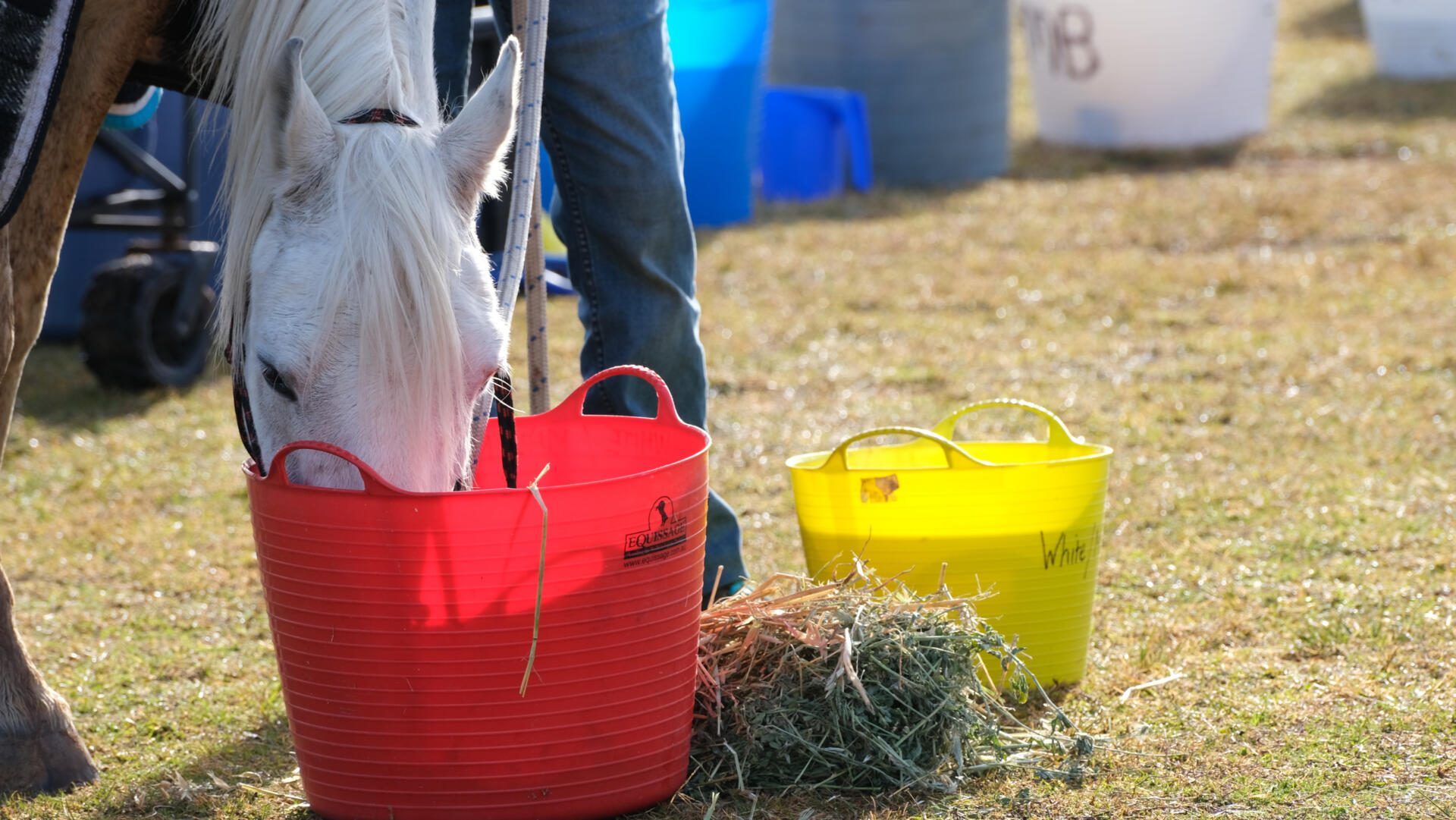
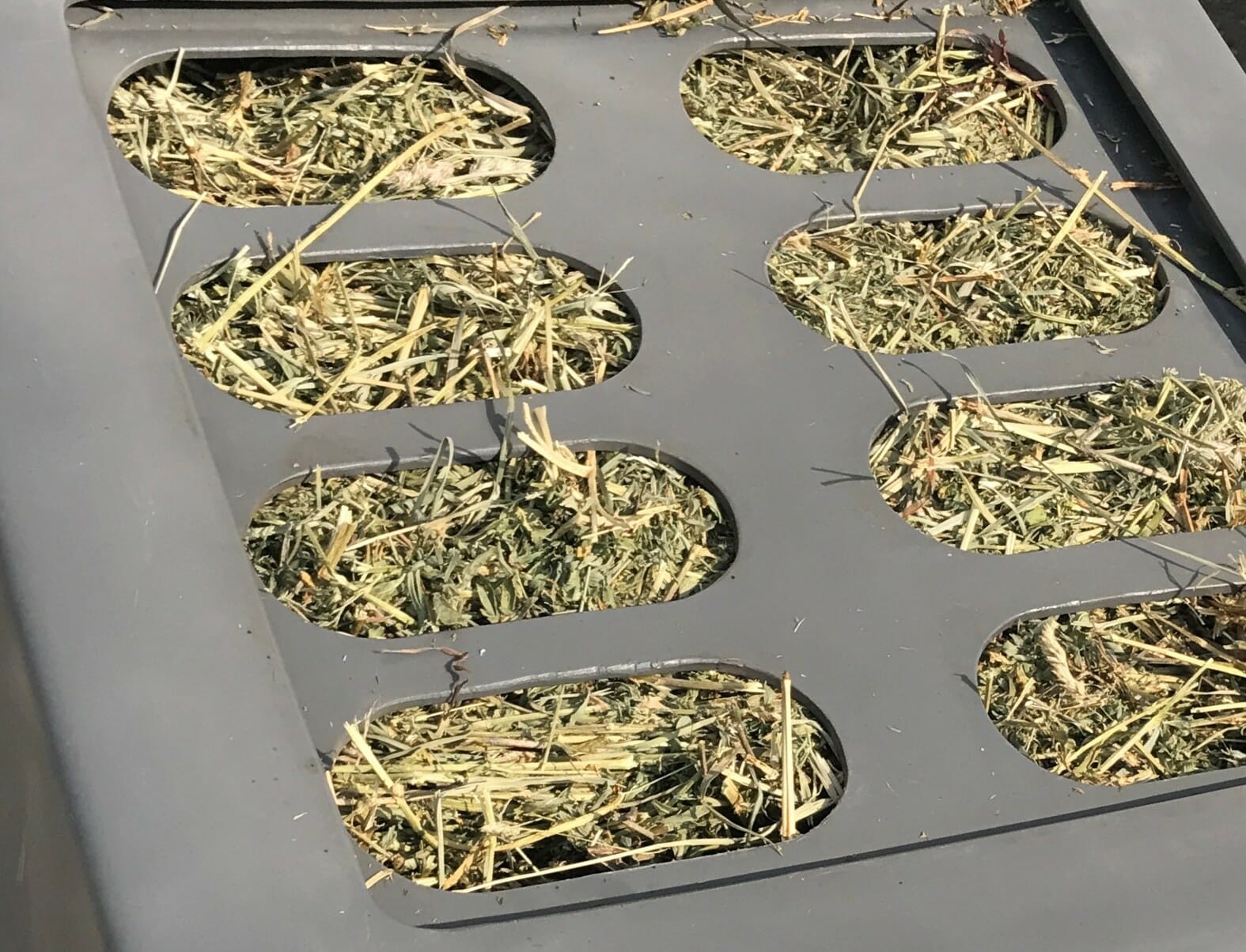
To prevent boredom in these horses, make their forage hard to eat so it is more time consuming for them. One way you can do this is by using slow feeder hay nets. Or you can use forage feeding systems like the Savvy Feeder.
If you do feed hay out of hay nets you may need to dampen it down slightly to reduce dust. You should also feed their daily allocation of hay in 2 or 3 meals per day. When the horse is fully sound and able to exercise, a gentle exercise routine each day will also help them to lose weight and reduce their risk of further bouts of laminitis.
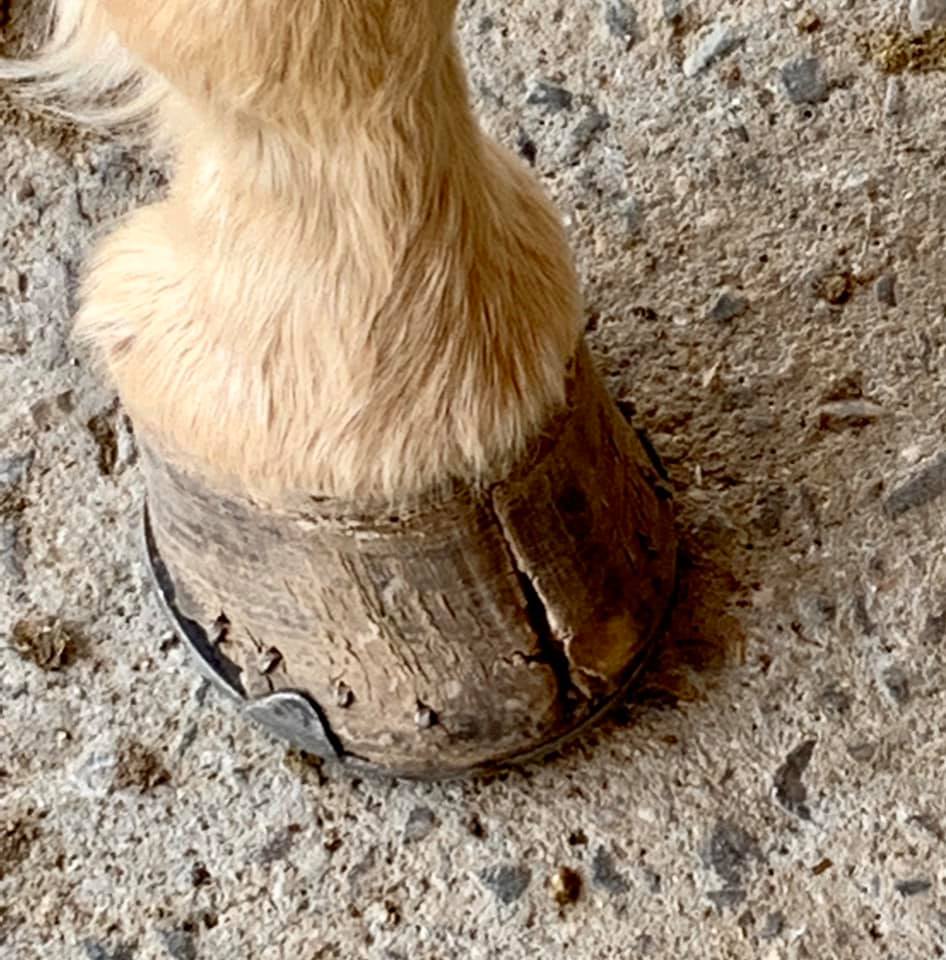
Feeding a low NSC diet will help to prevent further damage to your horse’s hooves. Providing high quality protein that contains good levels of the essential amino acids lysine and methionine (soybean contains the highest quality protein) as well as making sure your horse is getting its essential vitamins and minerals will give your horse the building blocks it needs to repair damaged hoof tissue.
If you find your horse’s hooves are taking a long time to respond to a well-balanced, low NSC diet, you may find the addition of biotin to the diet is helpful. For more information on the use of biotin to promote hoof growth, see our post Biotin: Should You Supplement?
By using FeedXL to balance your laminitic horse’s diet you will ensure you avoid unsuitable feeds and that you meet your horse’s requirements for good health and hoof repair.
For more detailed information on managing and feeding a laminitic horse, click here to get your copy of our FREE ebook ‘Your Guide to Feeding The Laminitic’.
Join FeedXL today and take control of your horse’s nutrition
Get EVEN MORE practical and personalised feeding guidance when you sign up to FEEDXL.
SIGNUP TO FEEDXL NOW
We would love to welcome you to our FeedXL Horse Nutrition Facebook Group. Ask questions and have them answered by PhD and Masters qualified equine nutritionists and spend time with like-minded horse owners. It’s free!
Click here to join the FeedXL Horse Nutrition Facebook Group