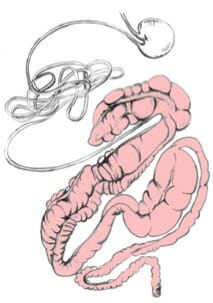
Like humans, horses are classified as monogastrics, however unlike humans, horses have a highly specialised and enlarged caecum and colon, collectively known as the ‘hindgut’.
The hindgut plays some important roles in horse health including:
If the hindgut is compromised, many health problems can arise including:

Follow these tips for keeping your horse’s hindgut functioning normally:
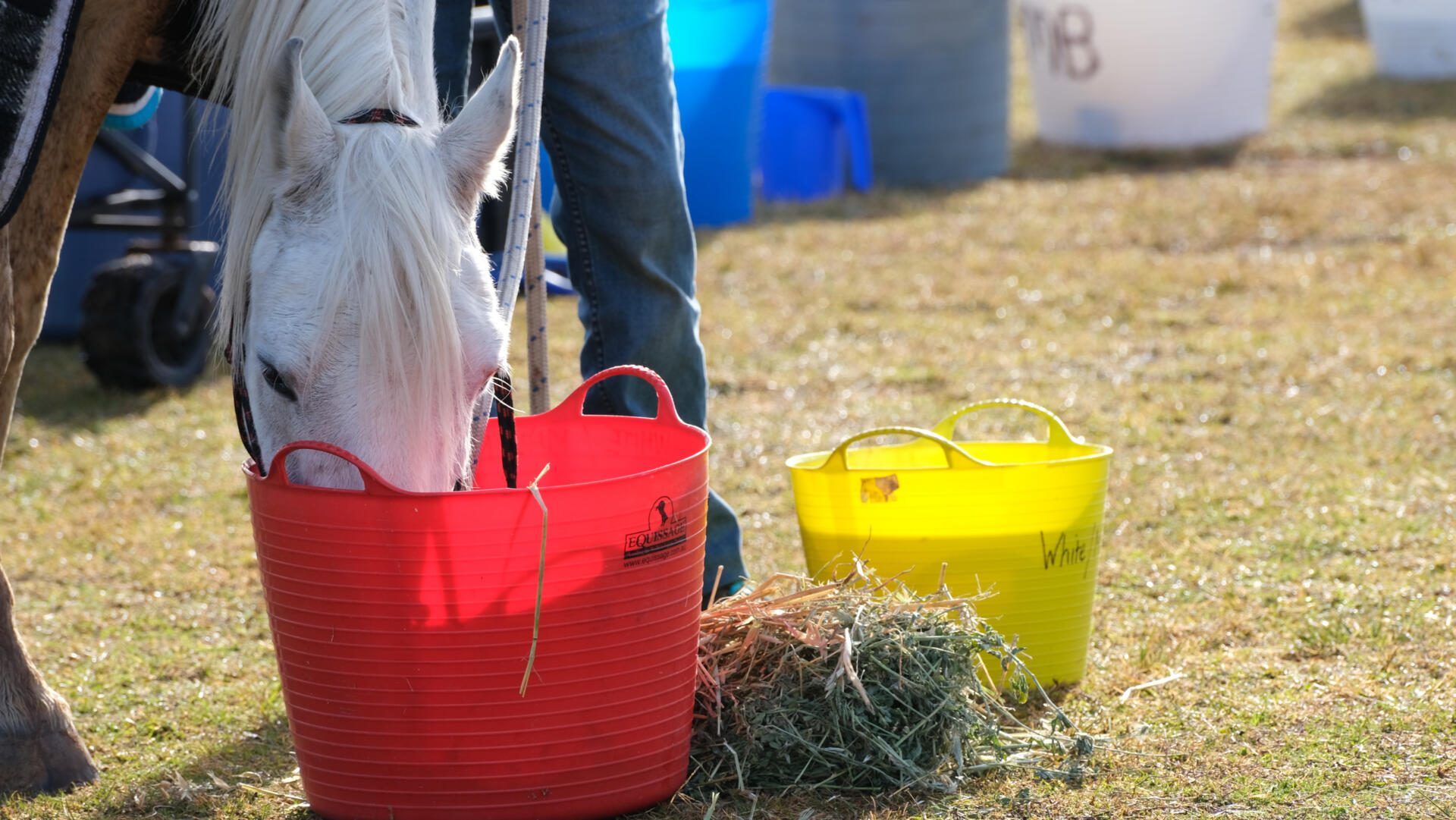
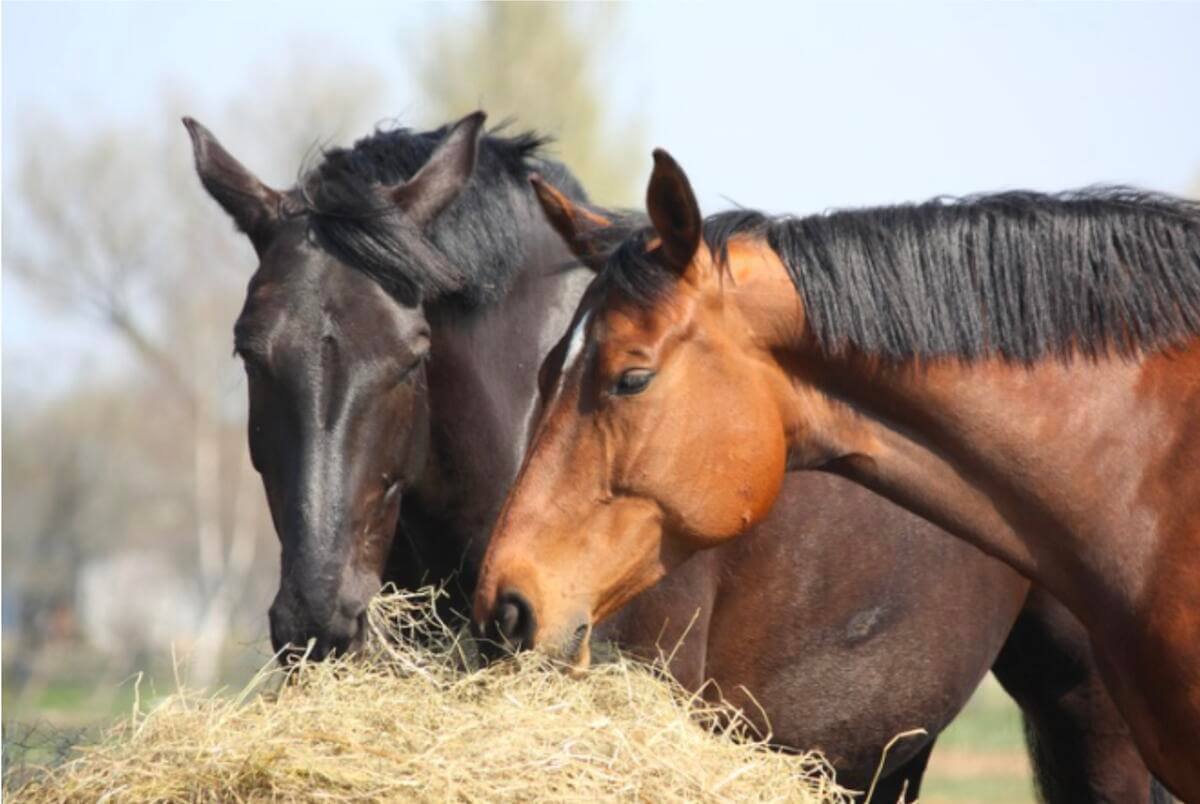
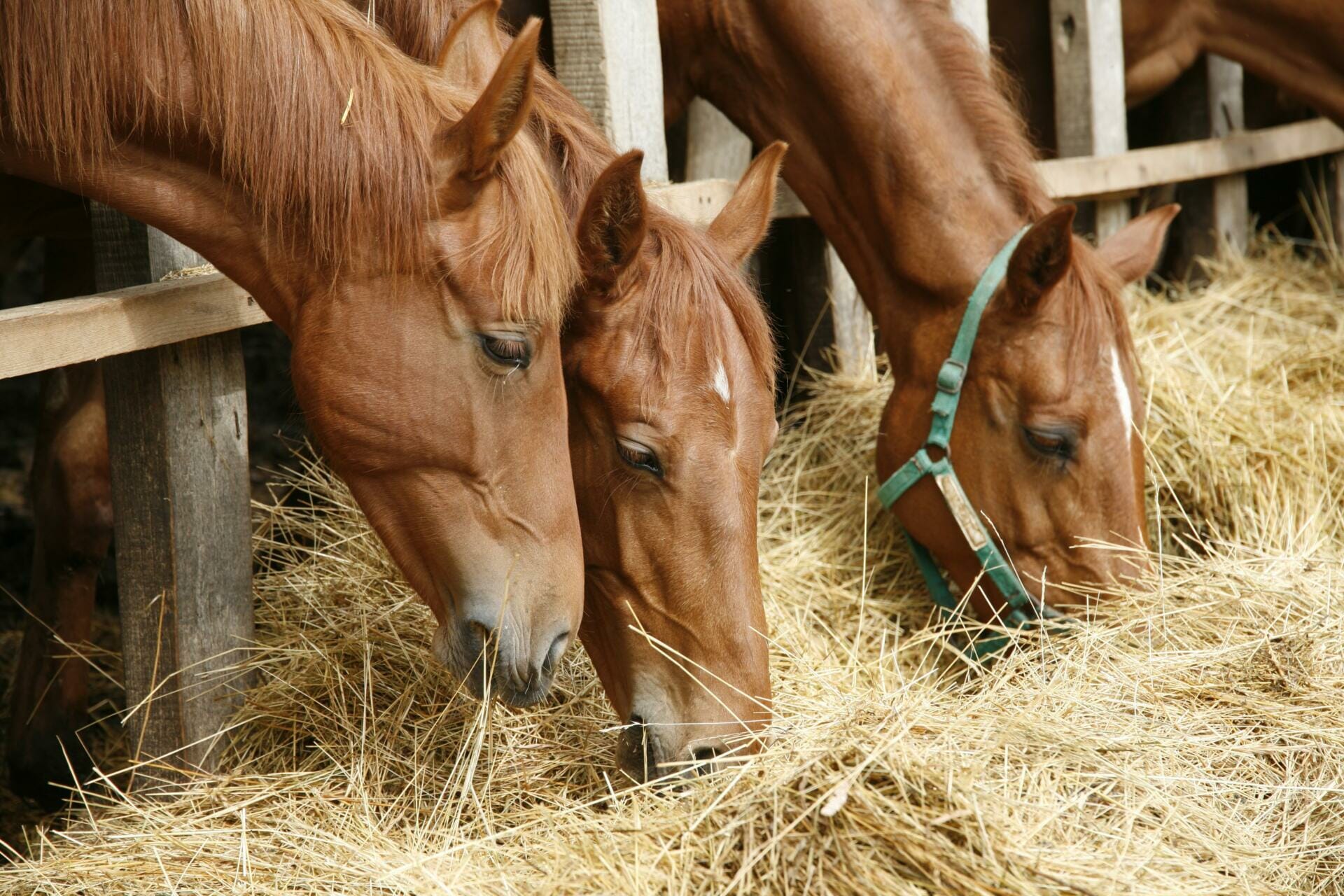
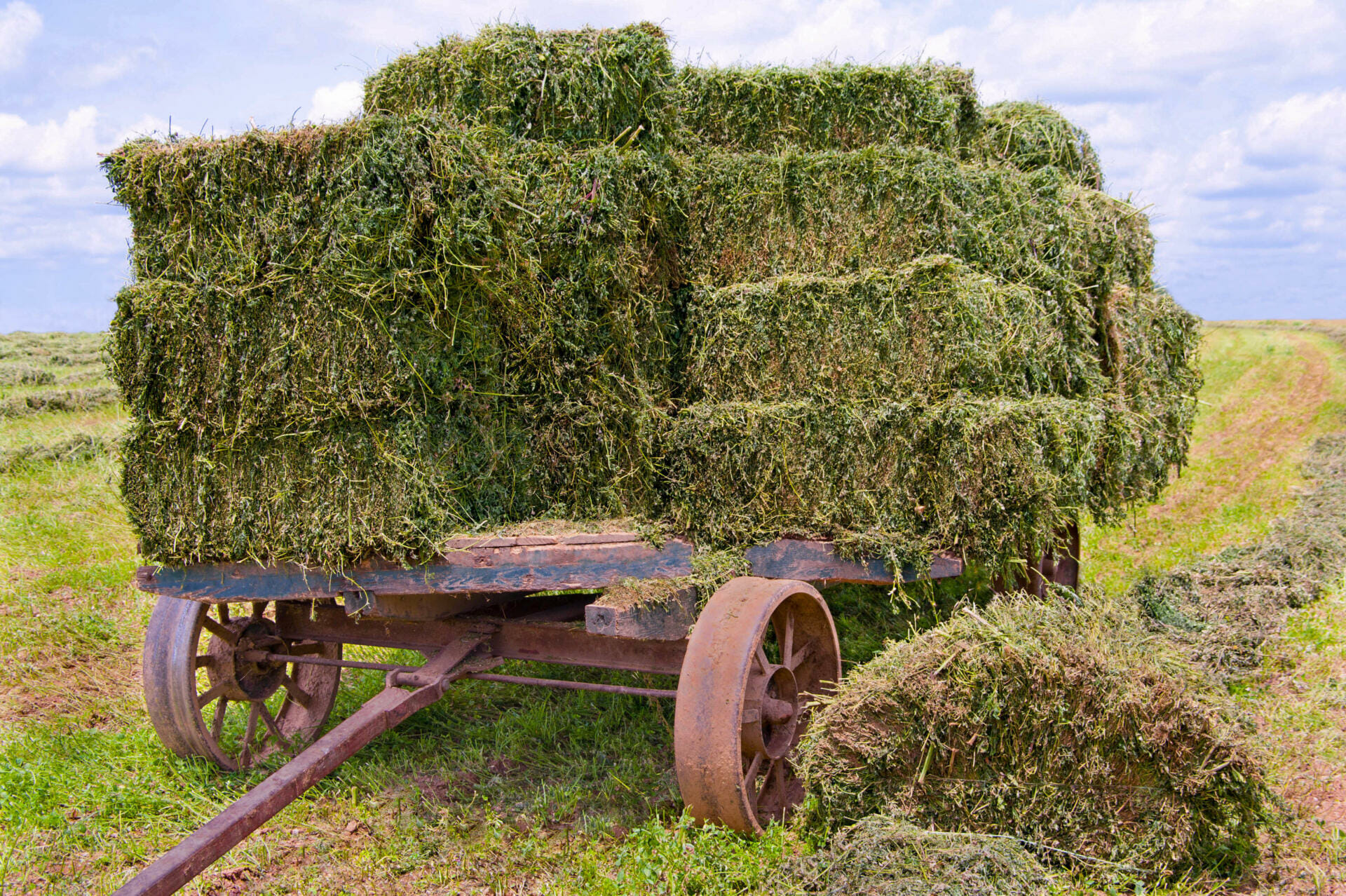
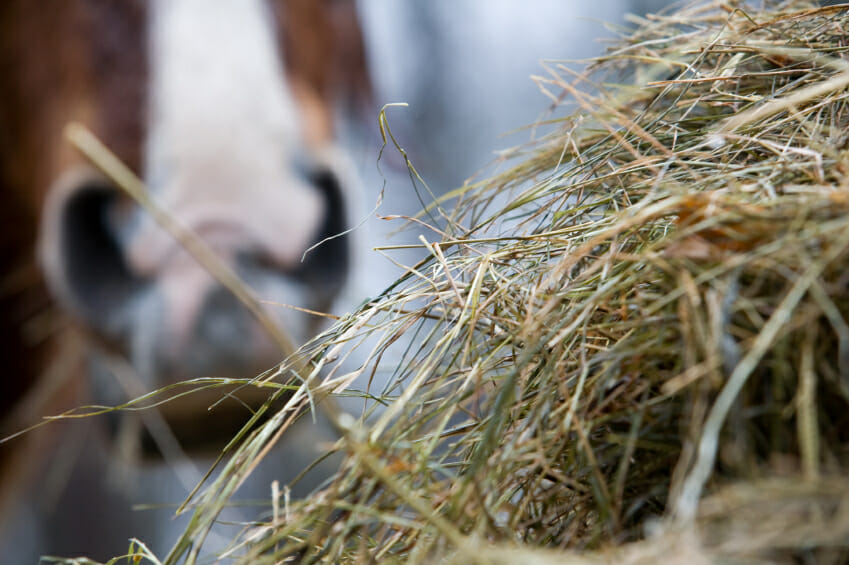
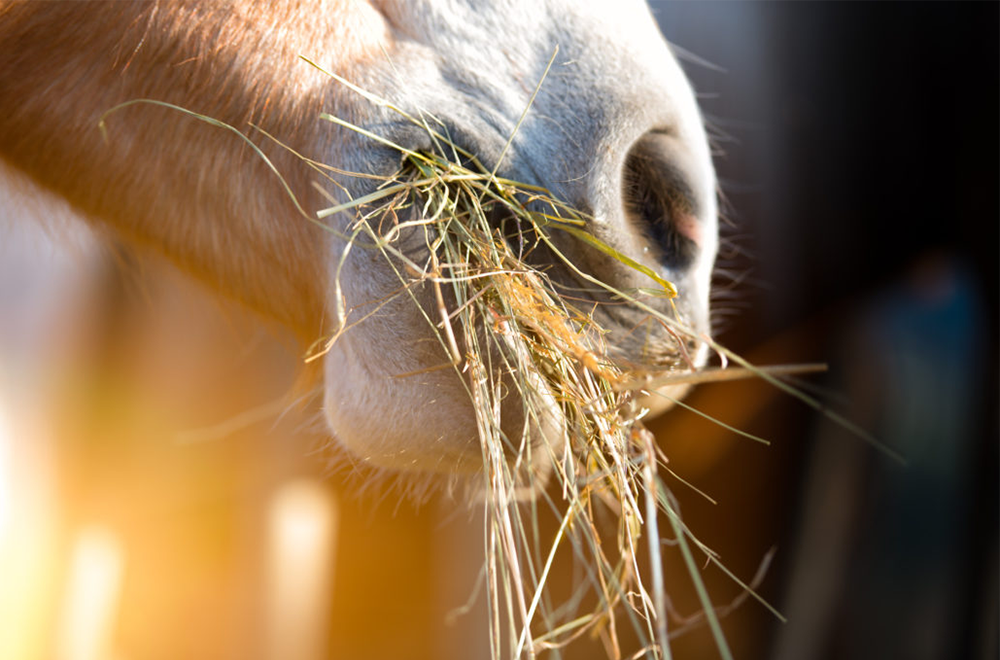
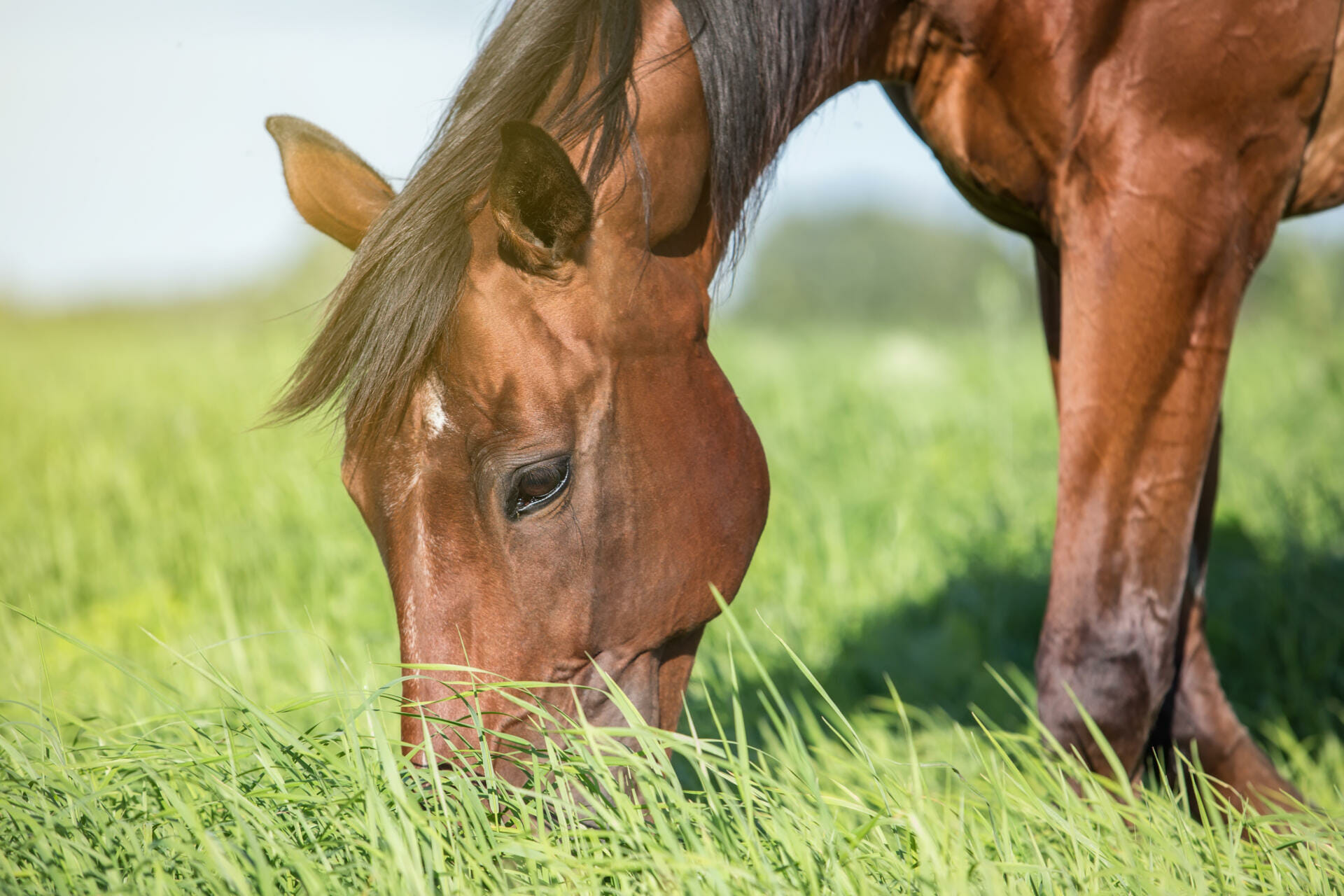
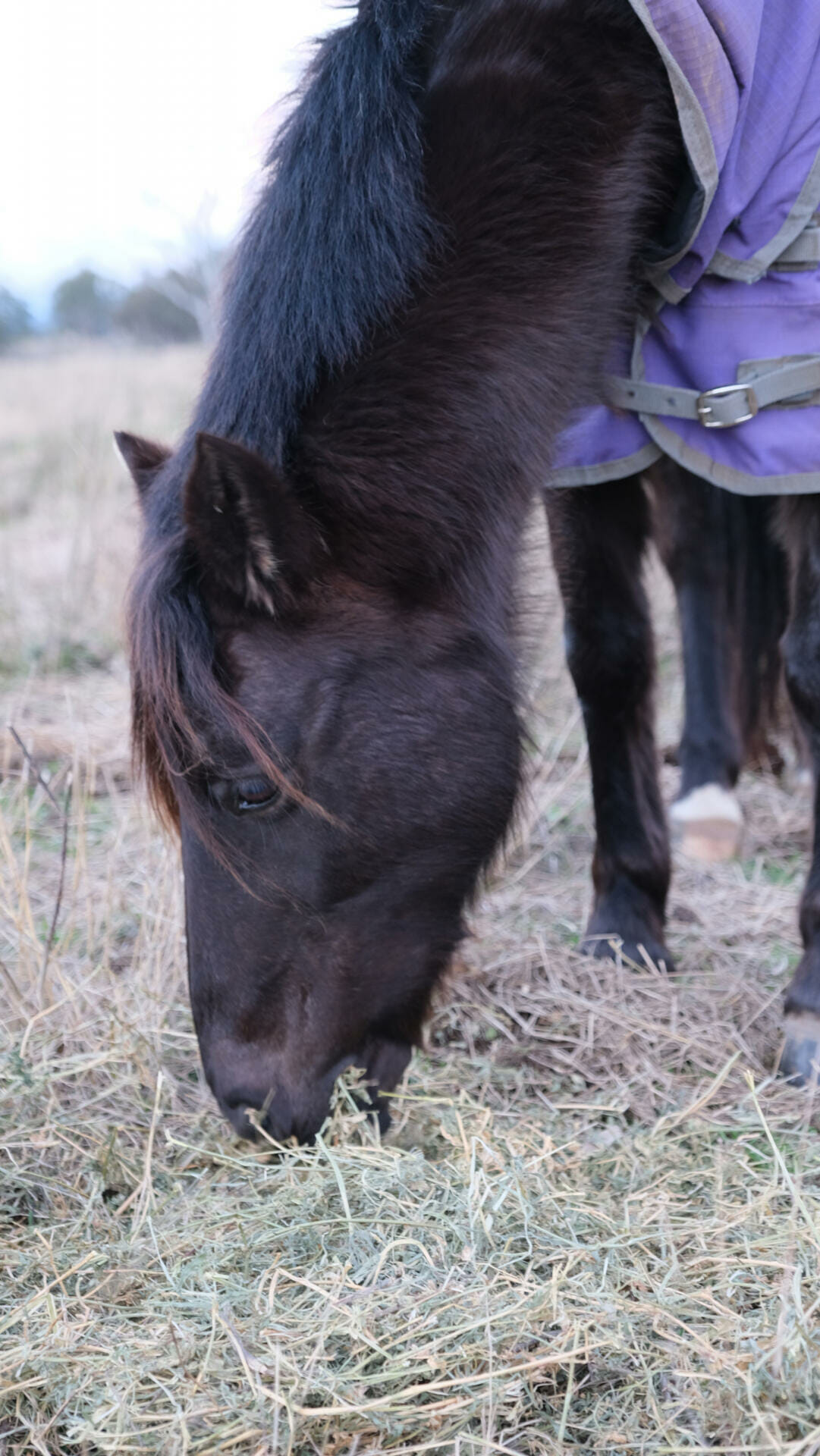
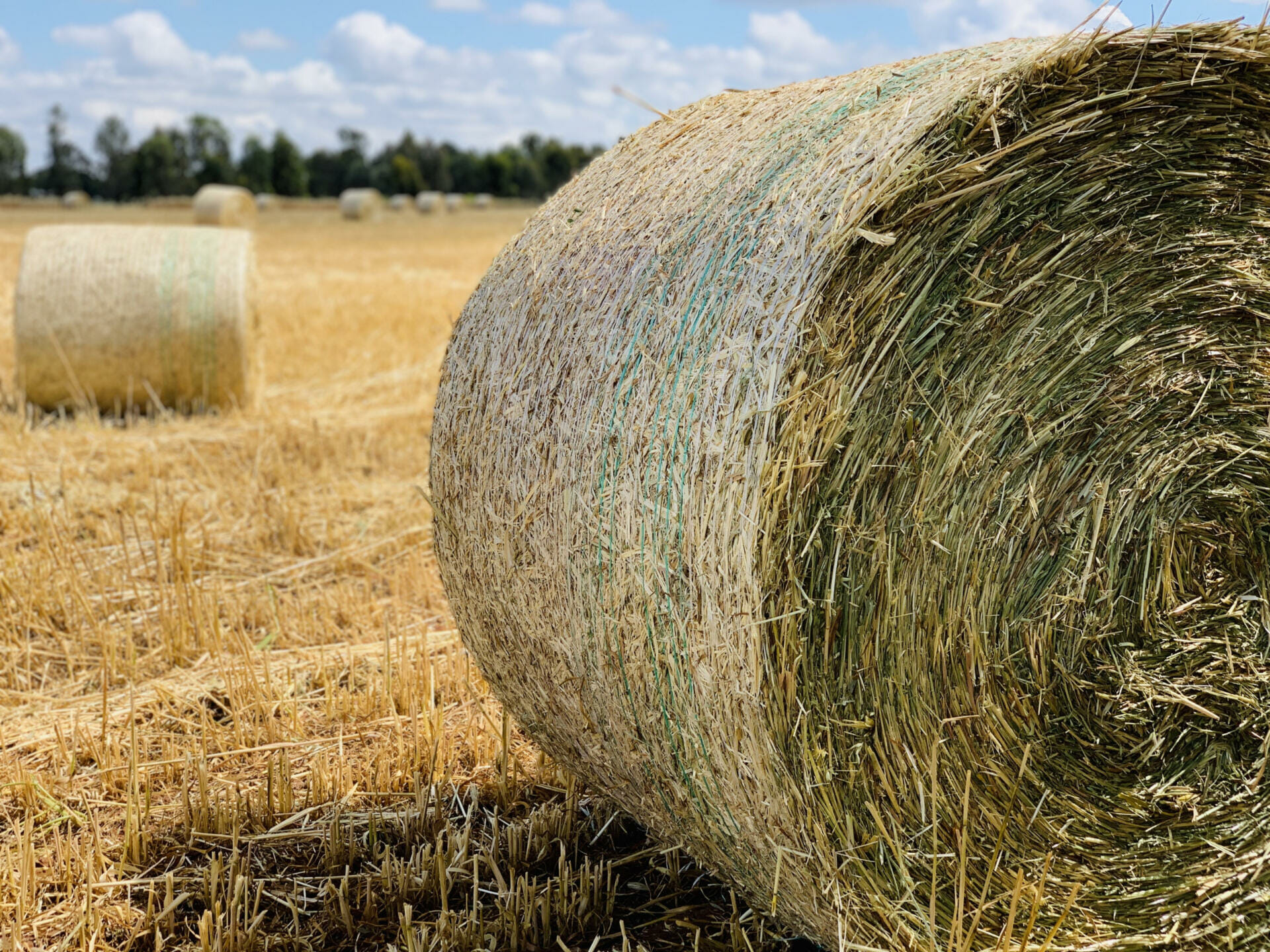
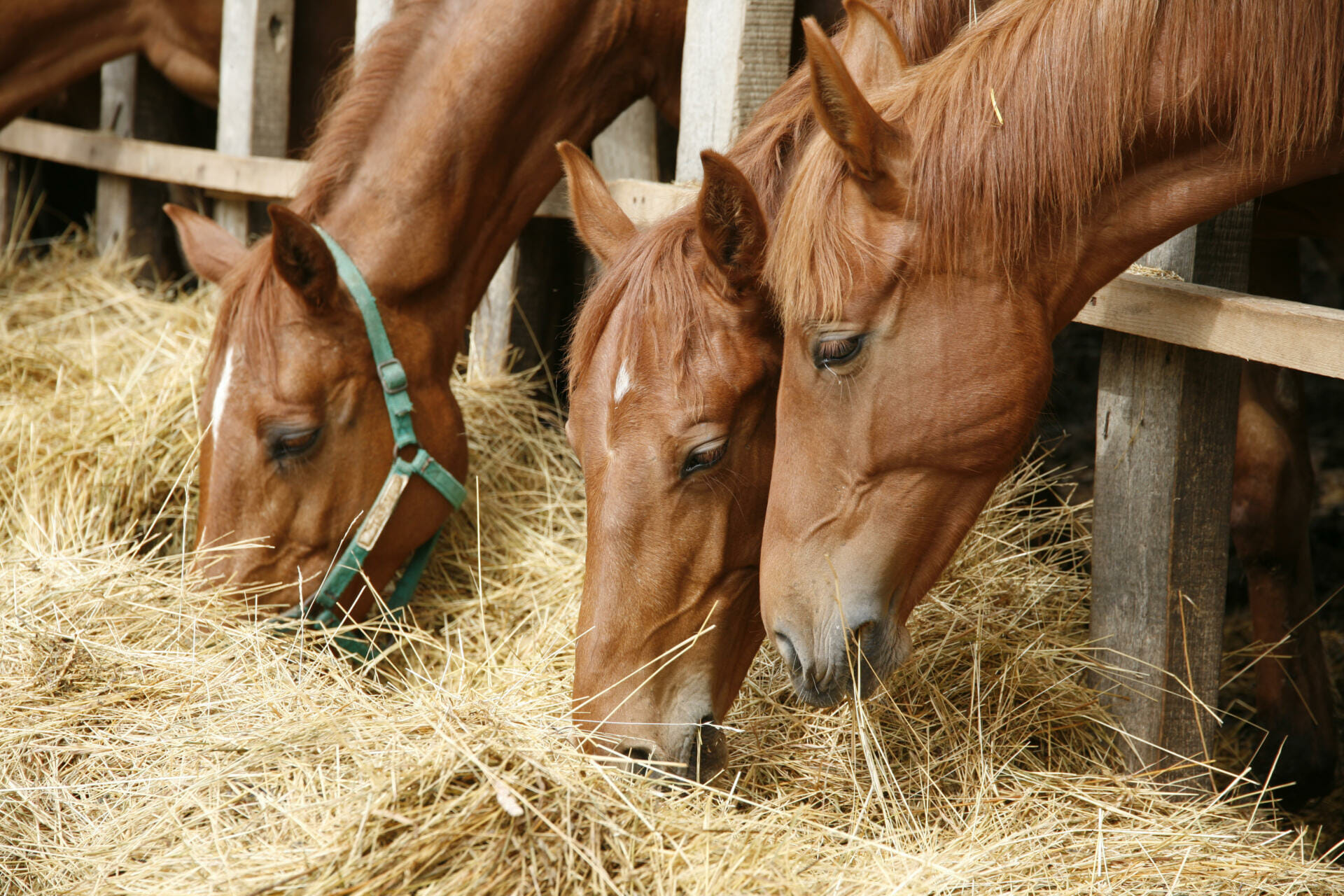
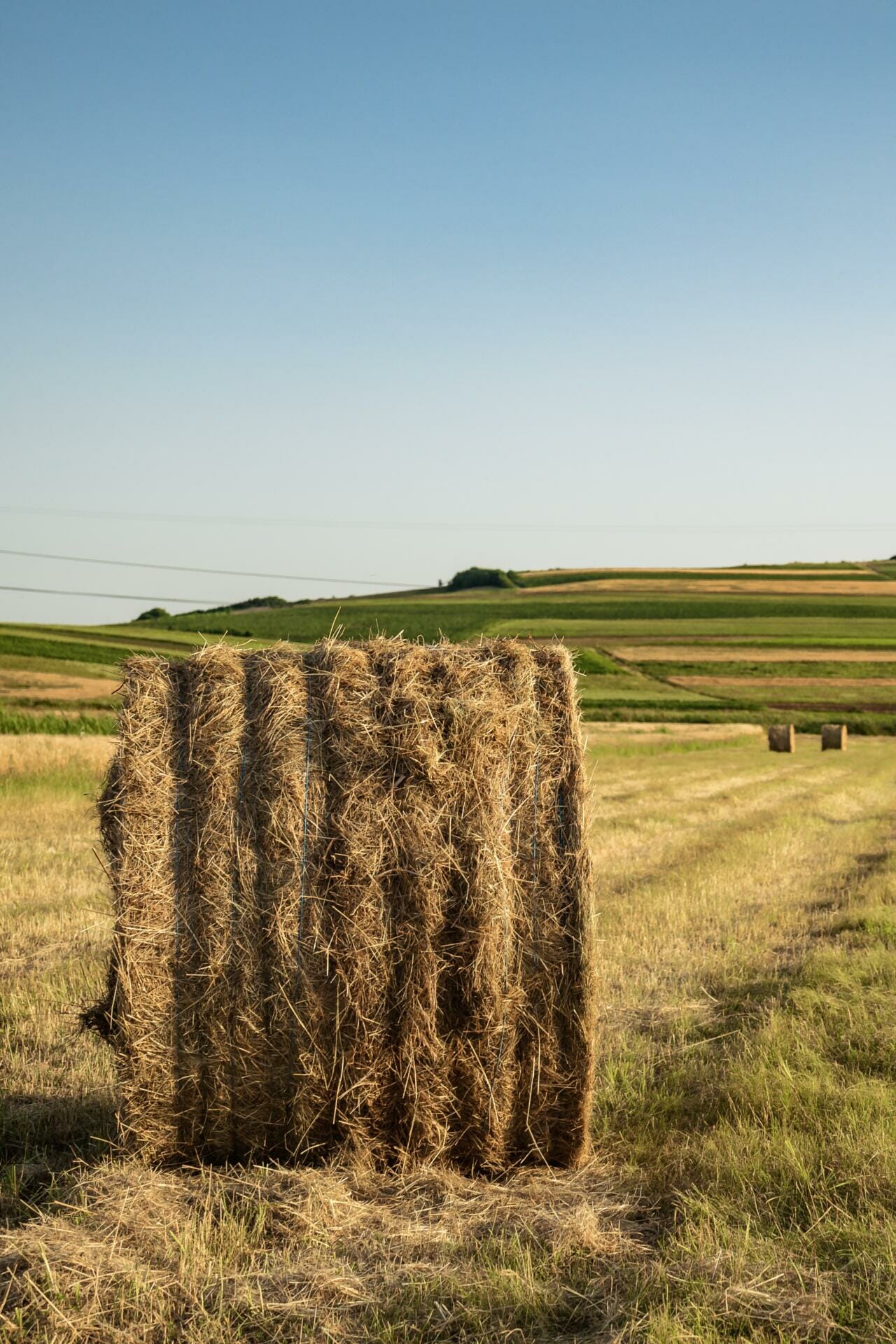
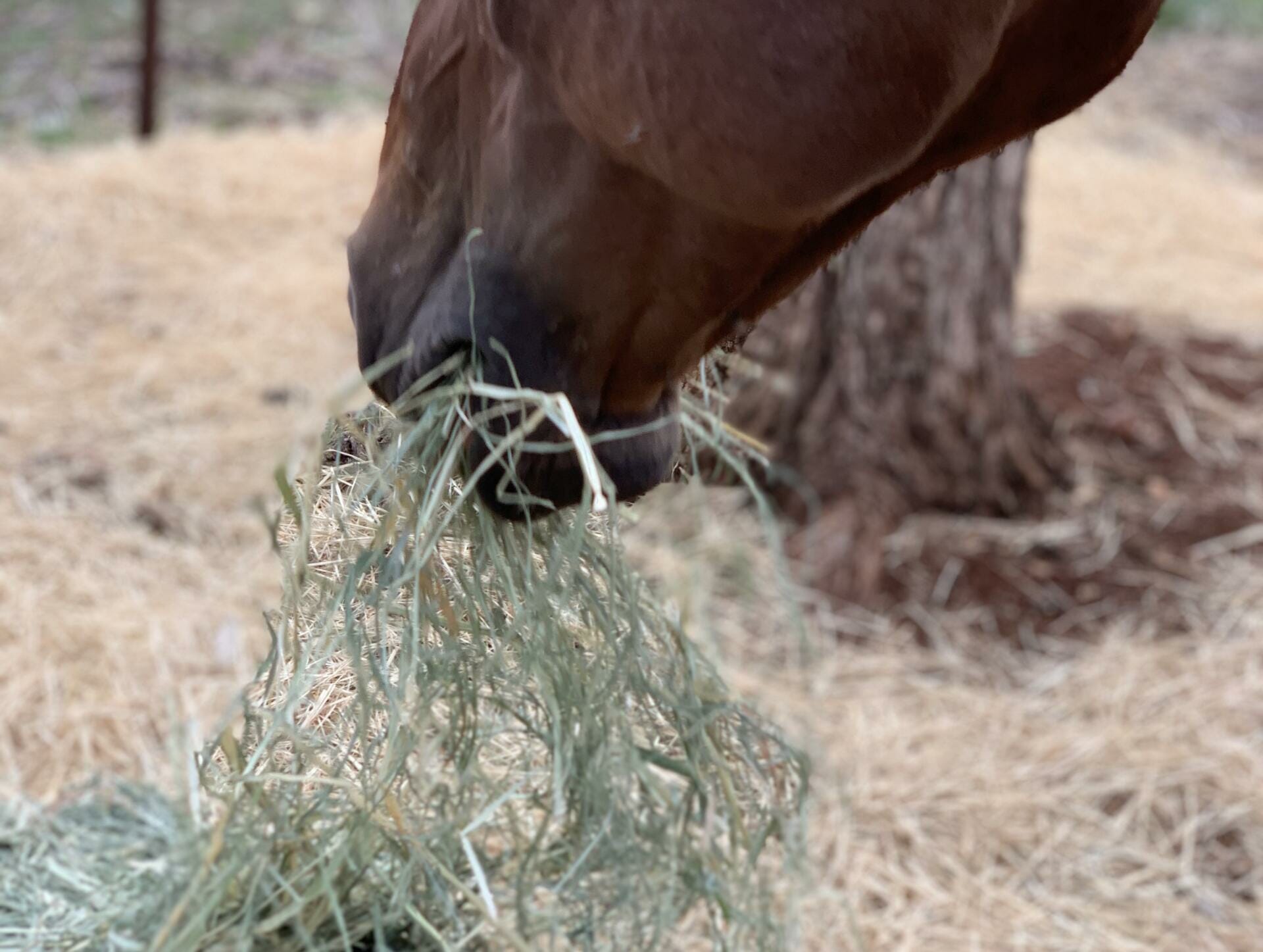
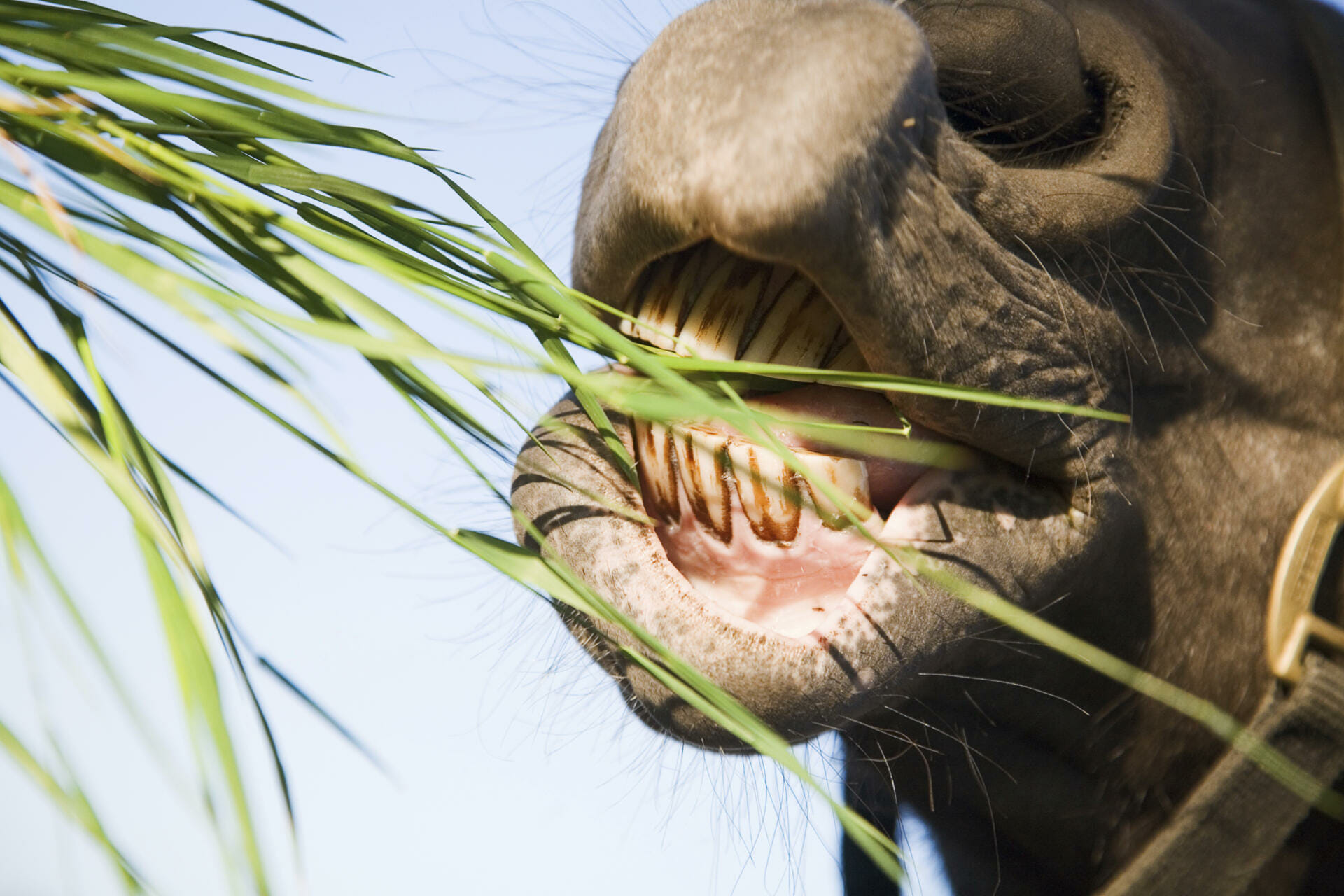
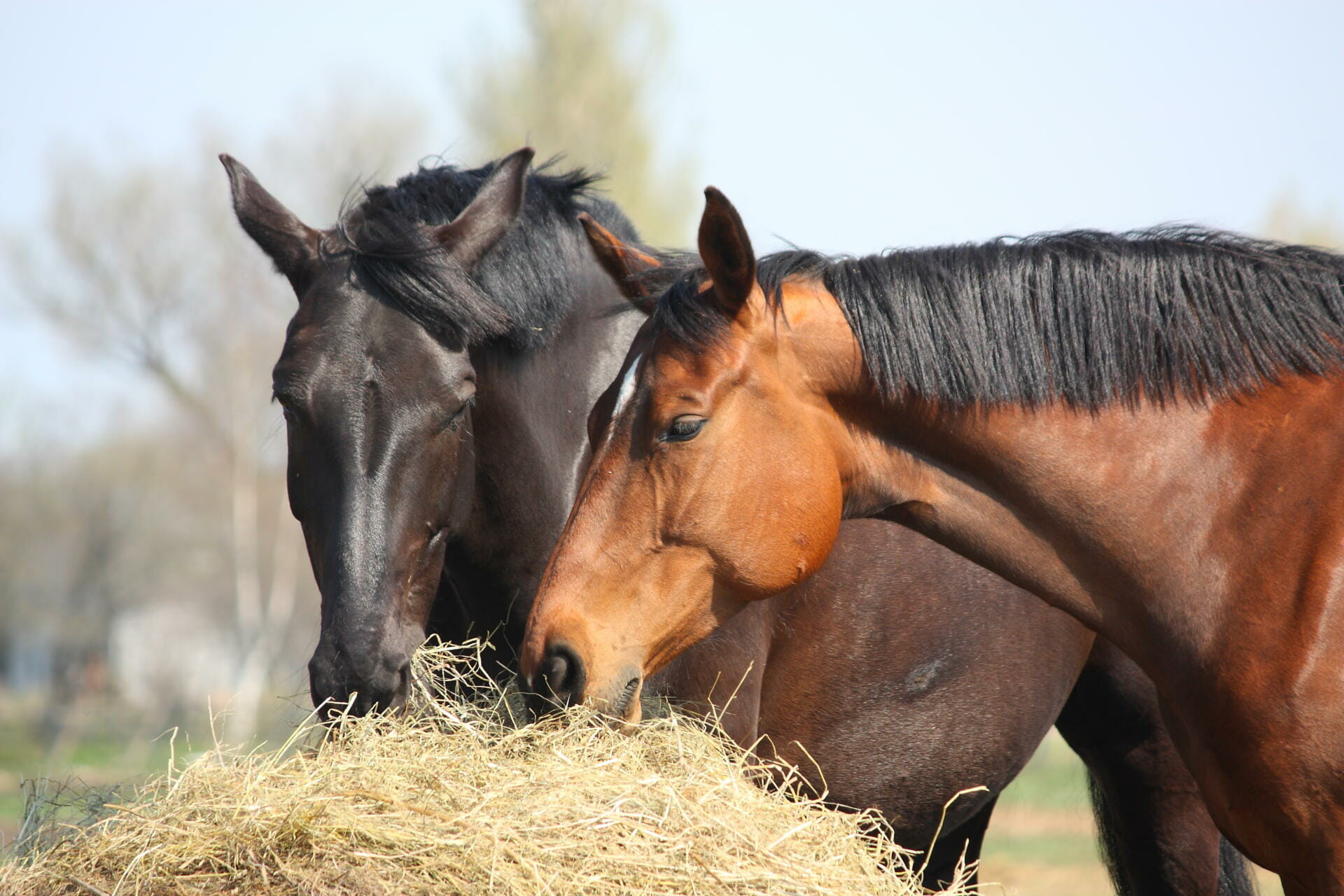
A healthy hindgut is almost completely dependent on feeding enough forage. Bulky forage is needed to keep the hindgut full to prevent it from physically collapsing on itself or twisting up in a severe case of colic. Healthy bacterial populations are also dependent on having lots of fibre available for fermentation.
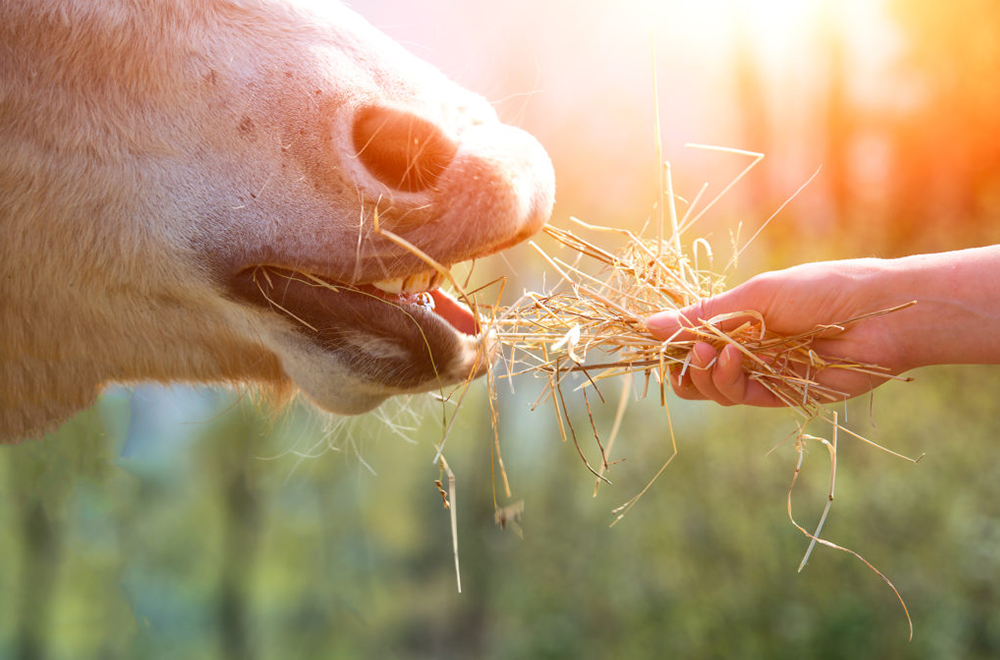
As a rule, feed a minimum of 1.5 kg per every 100 kg of bodyweight in forage per day (1.5% of bodyweight, which equates to a minimum of 7.5 kg/day for a 500 kg horse). The more forage you can feed the better, so unless you have a good reason for limiting your horse’s forage intake, feed a completely forage diet, balanced for vitamins and minerals. Only use grains or grain-based feeds when absolutely necessary.
Note: If you are concerned about a weight disadvantage in racing and other performance horses due to large amounts of forage being carried in the gut, reduce the amount of forage being fed slightly in the days leading up to a race or event.
Feeding a variety of forages provides your horse’s gut bacteria with a variety of fibre. Fibre variety encourages the growth and development of a more diverse hindgut bacterial population. The bacteria, who as discussed are required for fibre digestion and vitamin production, as well as the regulation of immune function and behaviour, are crucial for your horse’s hindgut health and overall health. When this bacterial population is more diverse it is also more robust, meaning smaller stresses like transport and competition are less likely to cause a negative disturbance to the bacterial population!
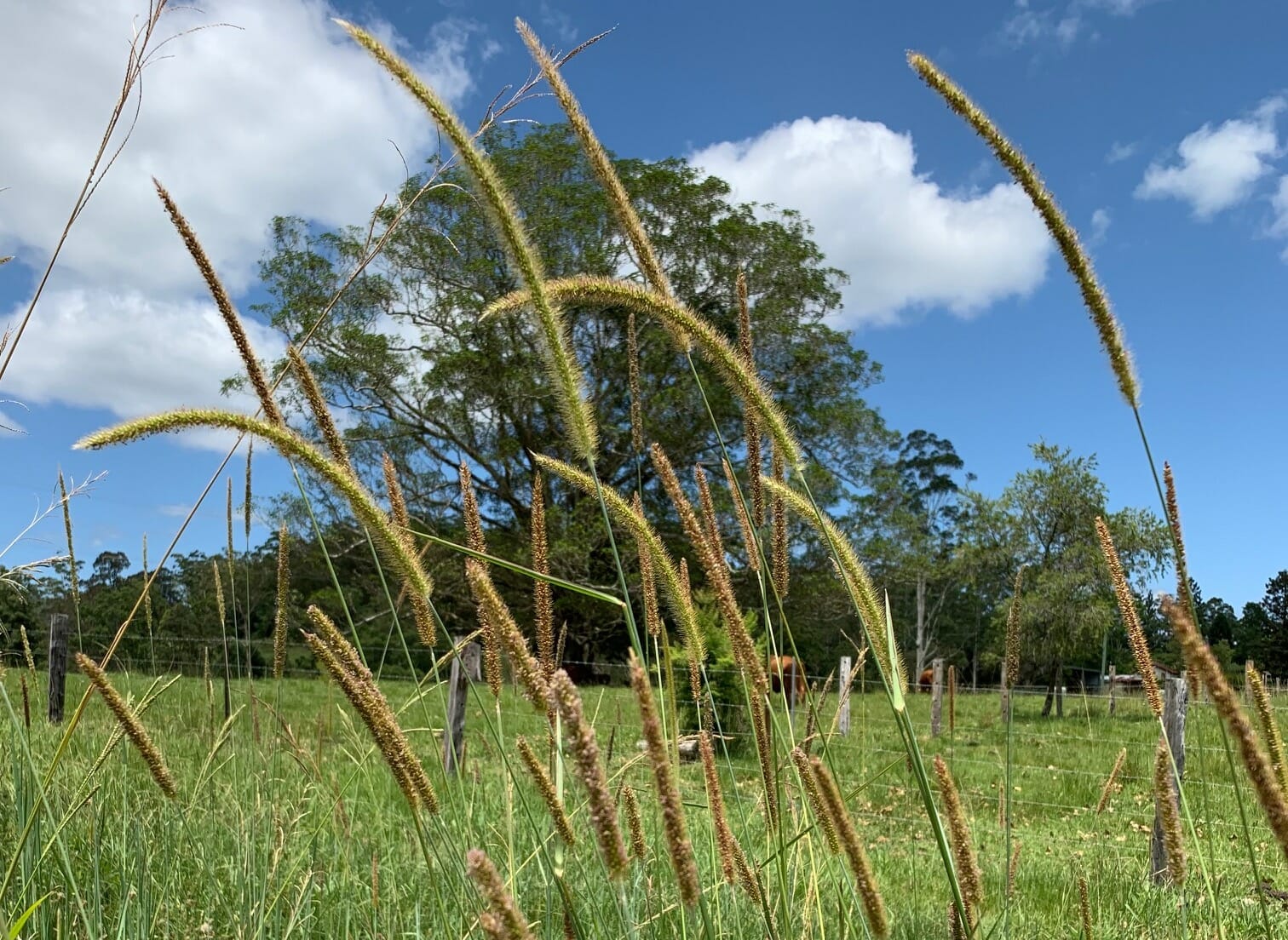
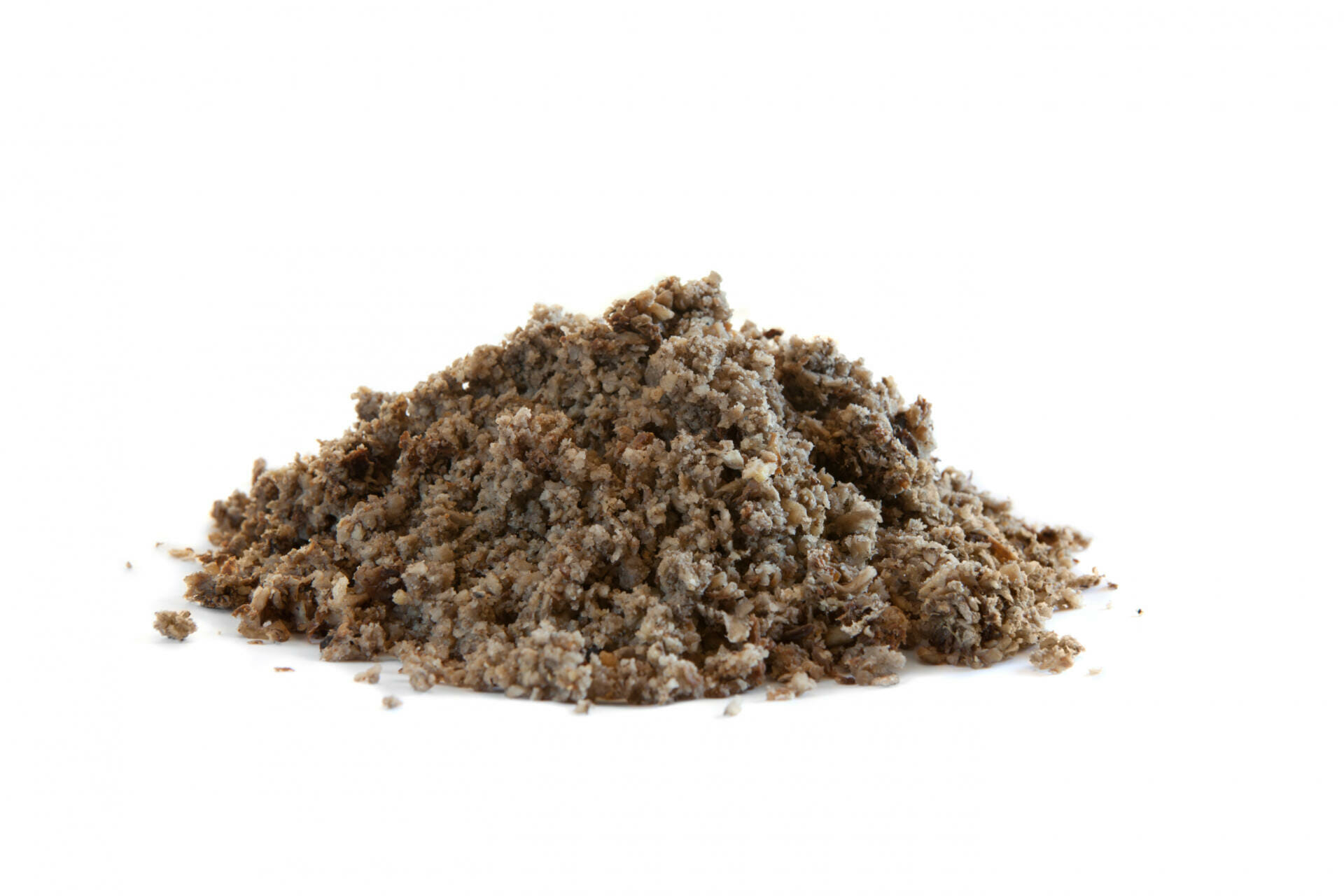
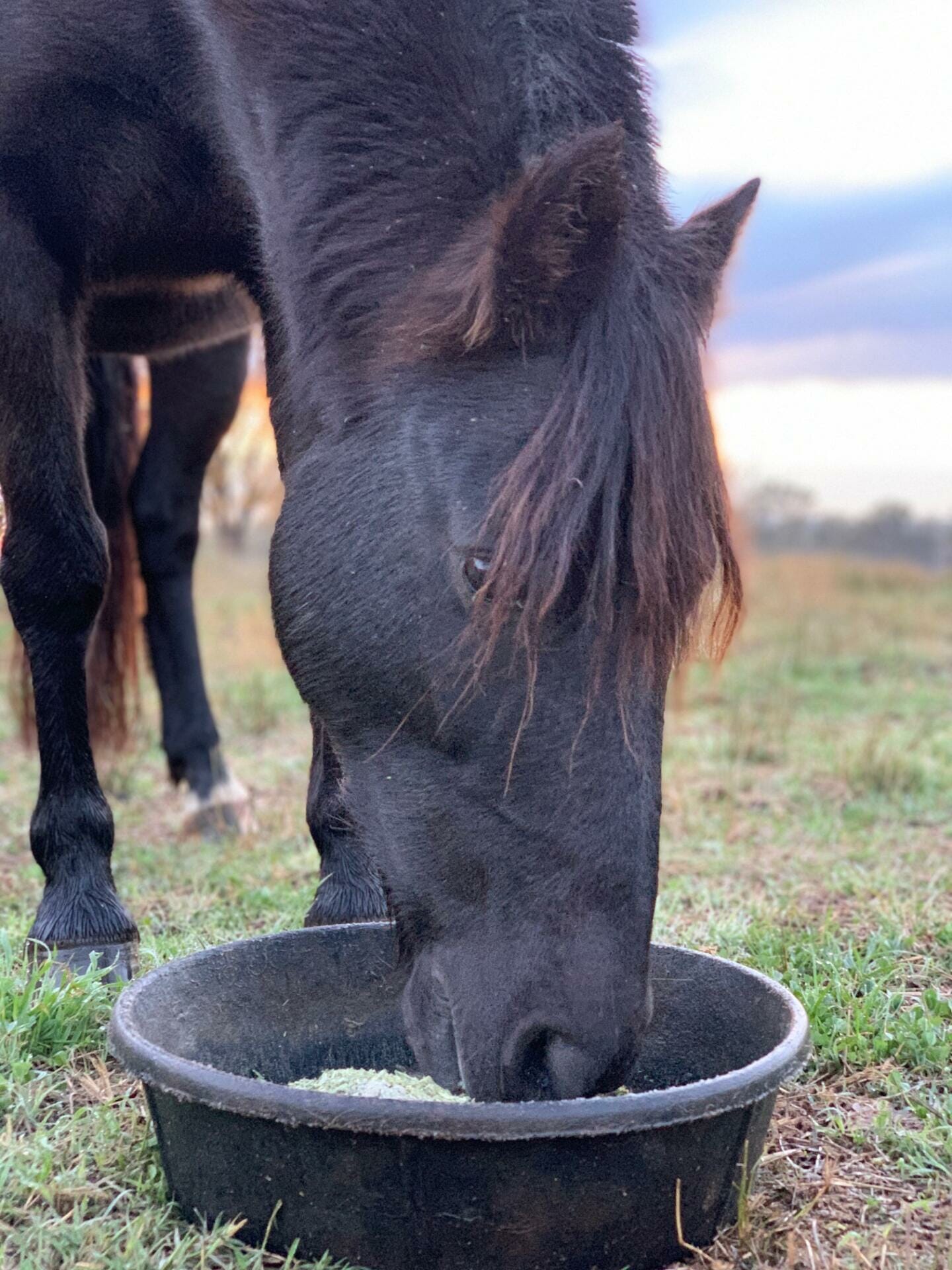
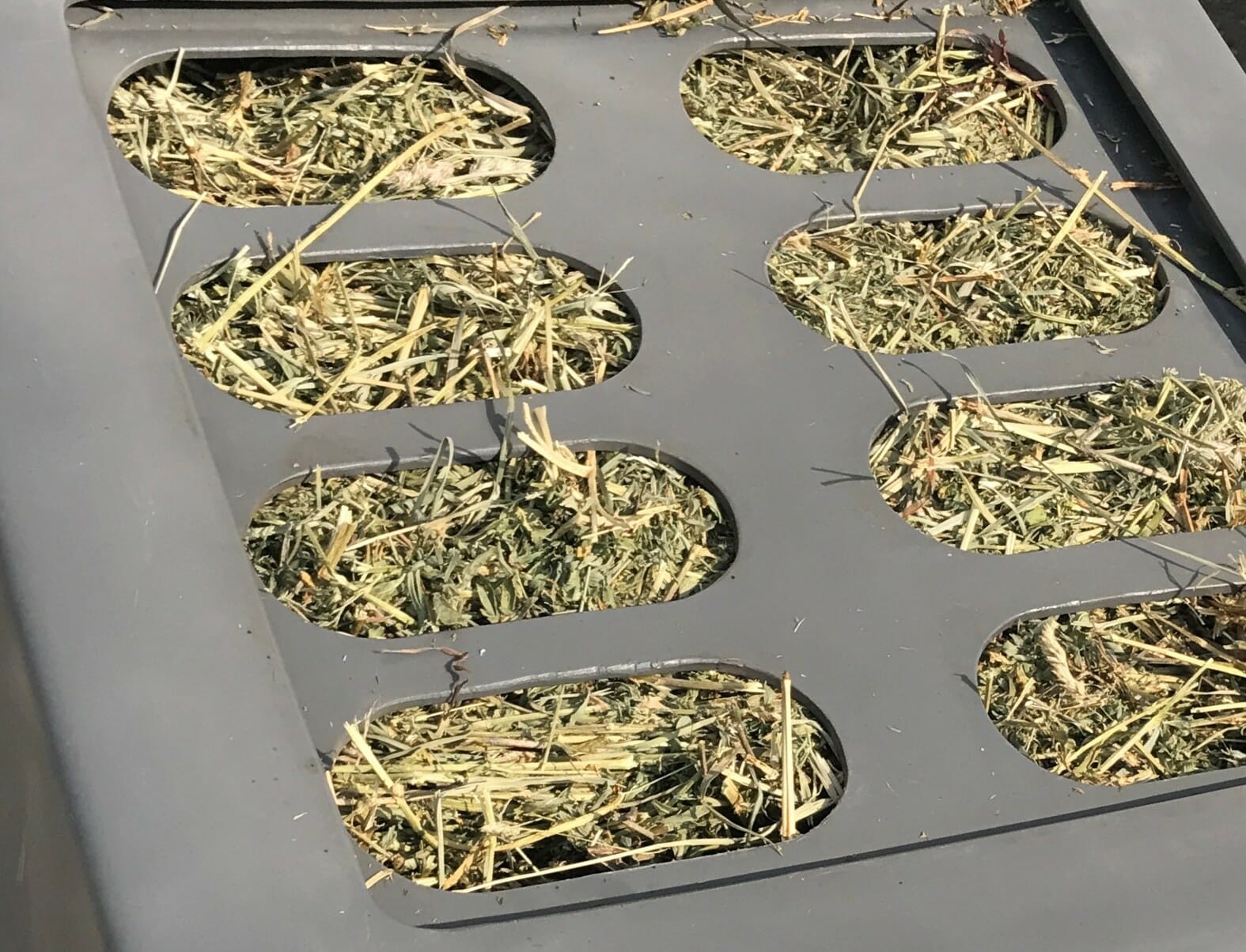
To achieve fibre variety, try to use at least a couple of different grass-based hays as well as one or two legume hays (alfalfa/lucerne, clover) and where possible, you can also incorporate ‘novel’ fibres like sugarbeet pulp, lupin hulls or copra meal. Where horses have access to pasture, you should sow or maintain as many different plant species in your pastures as possible.
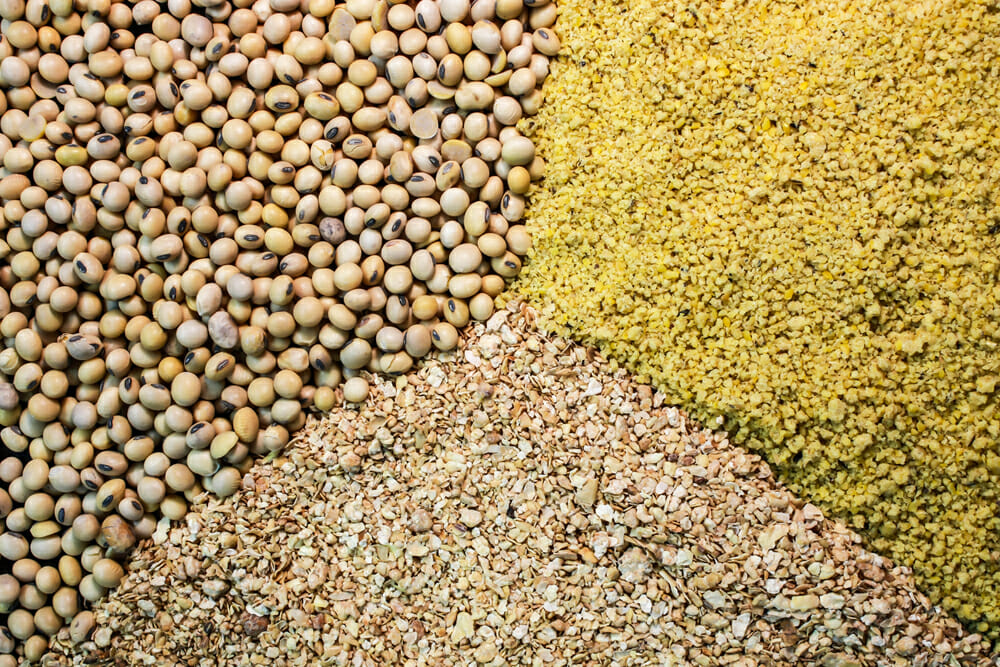
Starch fermentation in the hindgut will disrupt bacterial populations, reducing the population of beneficial fibre fermenting bacteria and favouring the undesirable starch and sugar fermenting bacteria. If enough starch is fermented, VFAs and lactic acid will build up, creating hindgut acidosis which can then lead to serious issues like laminitis, endotoxemia and damage to the hindgut wall (hindgut ulcers).
So, if you feed grains or grain-based feeds, always use a cooked product (ie steam flaked, micronized, extruded or boiled) as uncooked grains, with the exception of oats, are poorly digested in the horse’s small intestine and will almost certainly end up being fermented in the hindgut. Oats may be fed uncooked but feed them only in small amounts per meal.
Some forages like oat, wheat or barley forage and ryegrass can contain large amounts of the carbohydrate fructan. Fructan is not digested in the small intestine, but it is readily fermented by the bacteria in the hindgut and, like grain starch, may cause a shift in bacterial populations away from the beneficial fibre fermenting bacteria.
When feeding grains, never exceed 0.5 kg per 100 kg of bodyweight (0.5% bodyweight) in any one meal, keeping mind this is the maximum. The smaller you can keep meal size the better. Feeding grains in larger meals will make the feed travel quickly through the small intestine and will push undigested grains into the hindgut where their starch will be rapidly fermented.
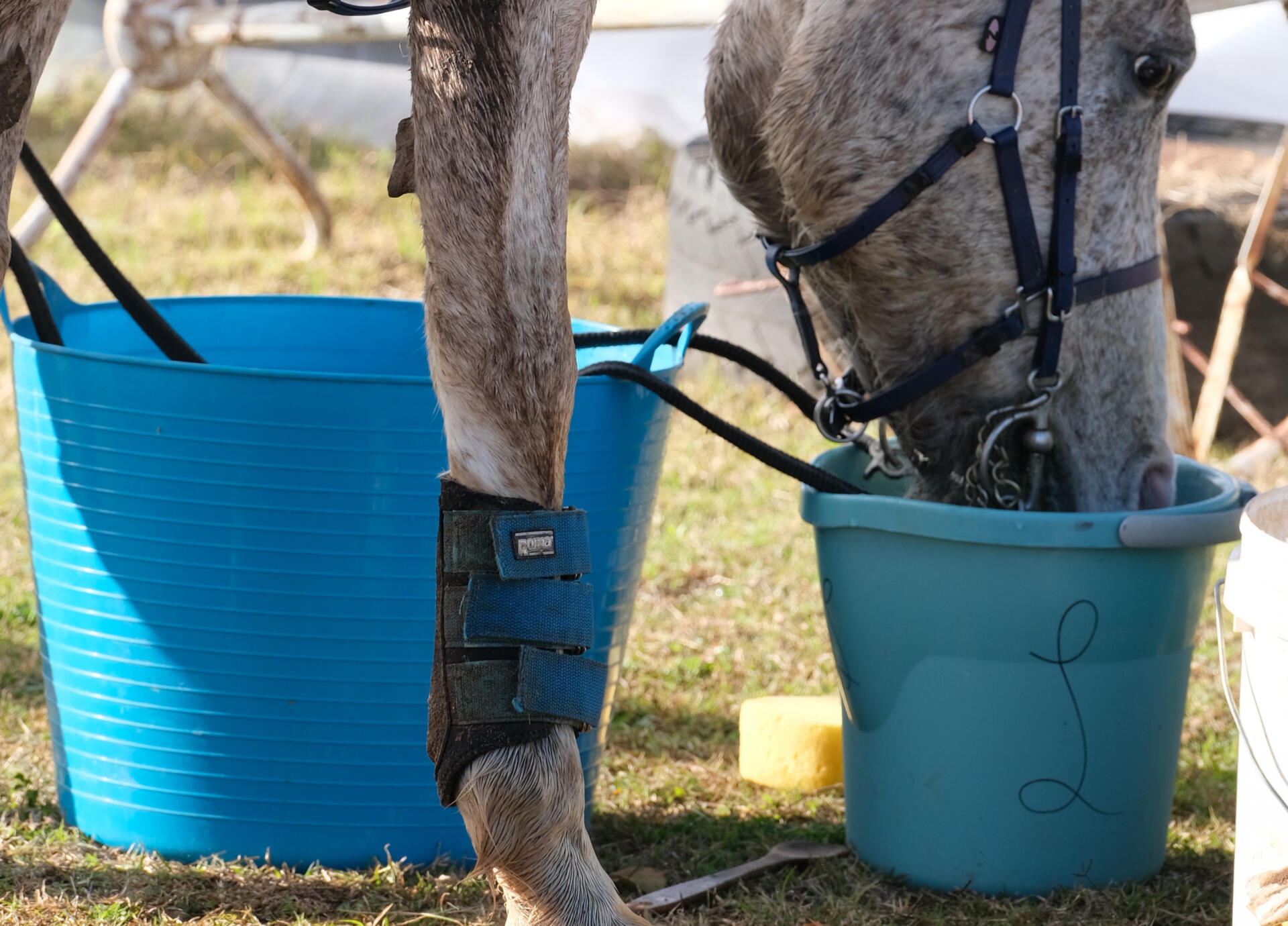
Water intake is crucial for maintaining a healthy hindgut. Dehydration will result in the hindgut contents drying out too much and can lead to problems like impaction colic.
If you live in a cold climate offering your horses warmed water may help to increase their water intake. If you suspect your horse is not drinking enough water, try adding molasses or other flavourings your horse might like to the water. Make sure horses feel safe around their watering point and ensure that they always have access to water and a salt lick. If you are really struggling to get your horse to drink enough, consider adding some salt or an electrolyte supplement to their feed to stimulate thirst. If, however, your horse stops eating its feed, reduce the amount of salt or electrolyte you are giving until you find the amount your horse will eat happily each day.
If your horse is grazing in dry/drought conditions or is housed in a dry lot or sand yard you should feed psyllium husk on a regular basis to remove sand and dirt from the hindgut to prevent it accumulating to the point where it will cause problems.
Feeding 50 grams of psyllium husk per 100 kg bodyweight for 5 days in every one month will help to remove any sand or dirt that may have accumulated in the hindgut. It is particularly important to do this if you horse is receiving restricted amounts of pasture or hay each day.
Sudden changes in feed can upset the balance of bacteria in the hindgut or can lead to diarrhoea or colic. Making dietary changes slowly over a period of 7 to 14 days (taking longer for the more dramatic changes – i.e. if you were changing from Timothy hay to a blend of timothy and alfalfa/lucerne hay you could do this over 7 days. If, however, you were changing to a diet that included grains, you should introduce the grains slowly over 14 days or longer depending on how well the horse adapts to the new diet) will help to reduce or eliminate any negative impact of a new diet.
Where possible try to use injectable antibiotics. If your horse does have to be on oral antibiotics, feed as much forage as possible during and following the treatment to maintain an environment in the hindgut that favours the more beneficial fibre fermenting bacteria.
Note: Most ‘probiotics’ have limited usefulness when it comes to repopulating a horse’s hindgut following antibiotic treatment. Many probiotics contain Lactobacillus spp bacteria which are useful for outcompeting pathogenic bacteria but are not really what you want your horse’s hindgut populated with. If you feel it is necessary, discuss the option of nasogastric tubing your horse with a warm slurry made with water and the manure from a healthy horse with your veterinarian.
When you are making feed choices for your horse you should always be thinking about how what you are feeding will impact the hindgut. The 8 tips listed above will keep your horse’s hindgut healthy so it can continue to provide your horse with a good supply of energy and beneficial vitamins. In addition, immune function will be maintained and the risk of problems like colic, loss of appetite, diarrhoea and abnormal behaviour will be reduced.
The hindgut is so critically important to your horse’s overall health! It is so incredibly important that you look after it!
Join FeedXL today and take control of your horse’s nutrition
Get EVEN MORE practical and personalised feeding guidance when you sign up to FEEDXL.
SIGNUP TO FEEDXL NOW
Ready to learn more about your horse’s digestive system? Read our blog: The Gastrointestinal Tract
We would love to welcome you to our FeedXL Horse Nutrition Facebook Group. Ask questions and have them answered by PhD and Masters qualified equine nutritionists and spend time with like-minded horse owners. It’s free!
Click here to join the FeedXL Horse Nutrition Facebook Group