Sick or injured horses, including horses suffering from burns, have different requirements to normal healthy horses, both in the types of nutrients they need and the sorts of feeds they can be fed. To determine the best thing to feed sick horse (or an injured horse) the following guidelines should be followed:
Sudden changes to any horse’s diet should be avoided and this is never more the case than when you have a sick or injured horse on hand. If your horse was on a primarily forage diet (mainly pasture, hay or chaff) prior to the sickness or injury, you should attempt to maintain the horse on a largely forage diet. Likewise, if your horse was being hard fed, you can continue to hard feed the horse, but don’t suddenly introduce hard feeds to a horse that wasn’t on them previously, and unless there is a good medical reason (for example in the case of laminitis) you should not just suddenly stop feeding hard feeds or quickly switch to a new feed.
Keeping their feed consistent will keep them happier (they are creatures of habit and don’t like sudden changes) and also make sure you avoid problems like colic that can be associated with sudden changes in feed.
It is quite likely that you are going to need to make some changes to a horse’s diet. If this is the case, do it as slowly as possible or practical.
If your horse has to go to a veterinary hospital, take along your horse’s feed he or she is used to having and leave clear directions on what and how much your horse is normally fed. If your horse was not hard fed before going to the clinic leave a note with the staff and if you have to, stick a note on your horse’s stable door requesting your horse is not fed any hard feed, as most horses in vet clinics will get some sort of hard feed unless otherwise directed.
There are going to be cases when your horse:
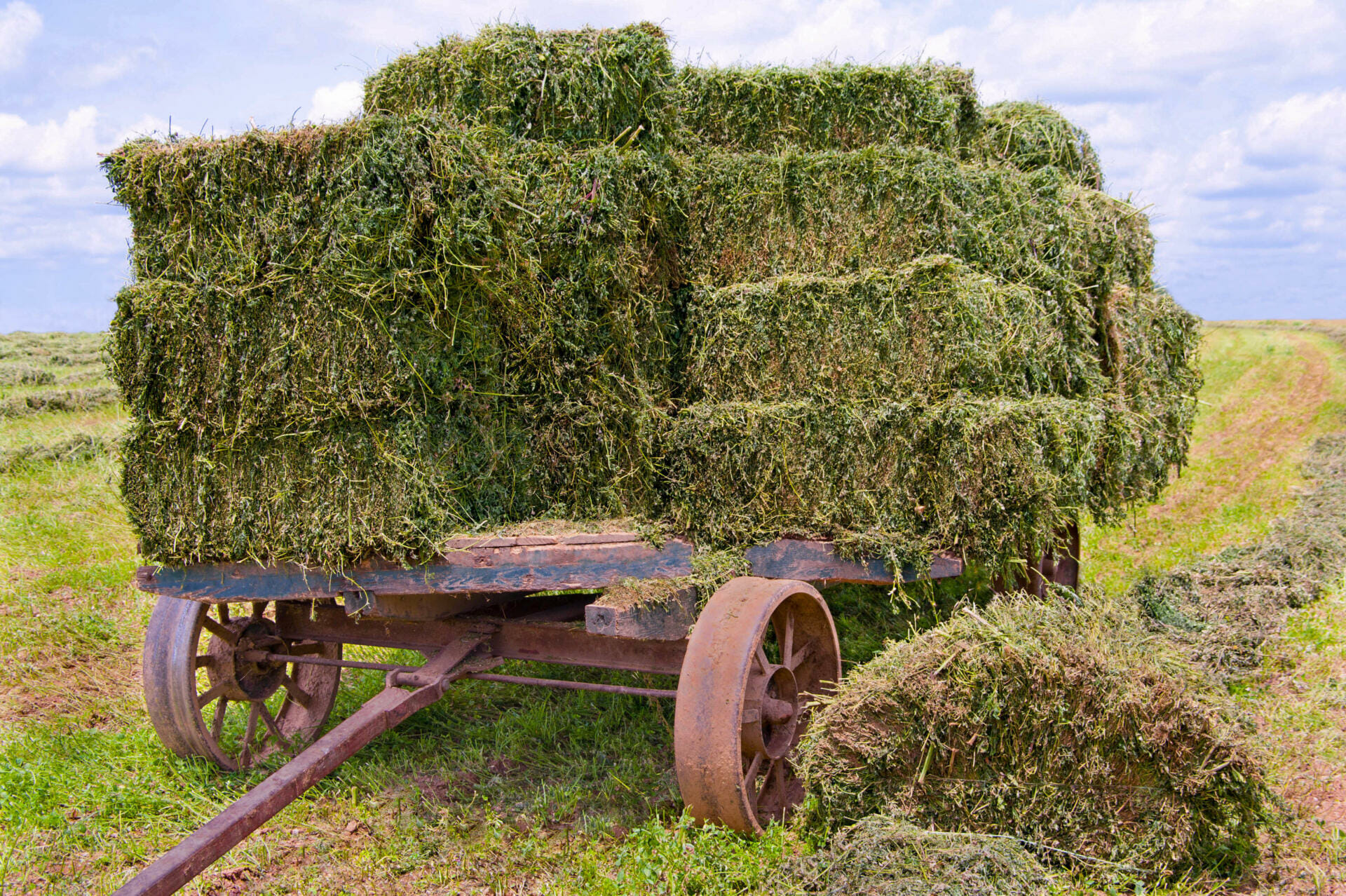
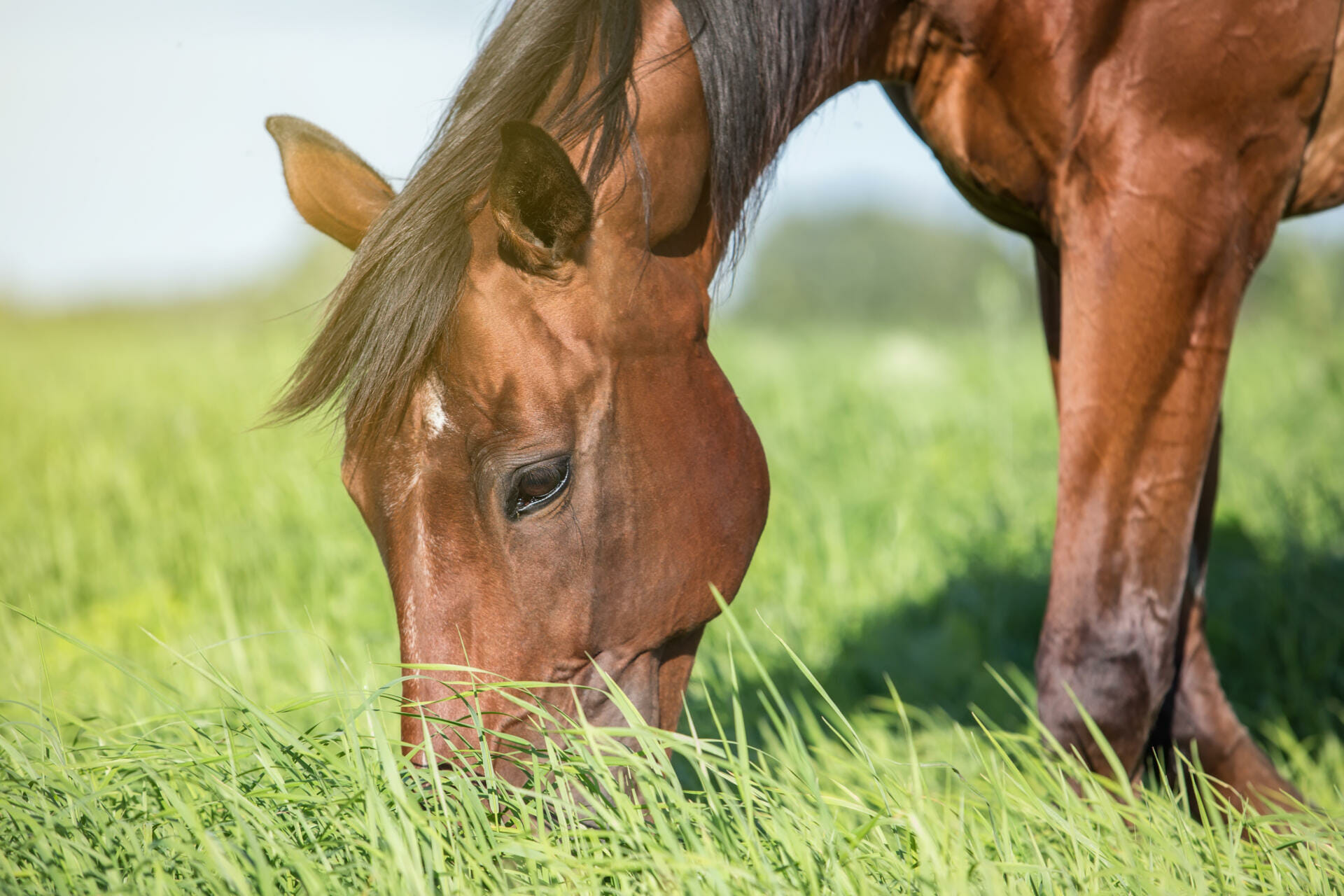
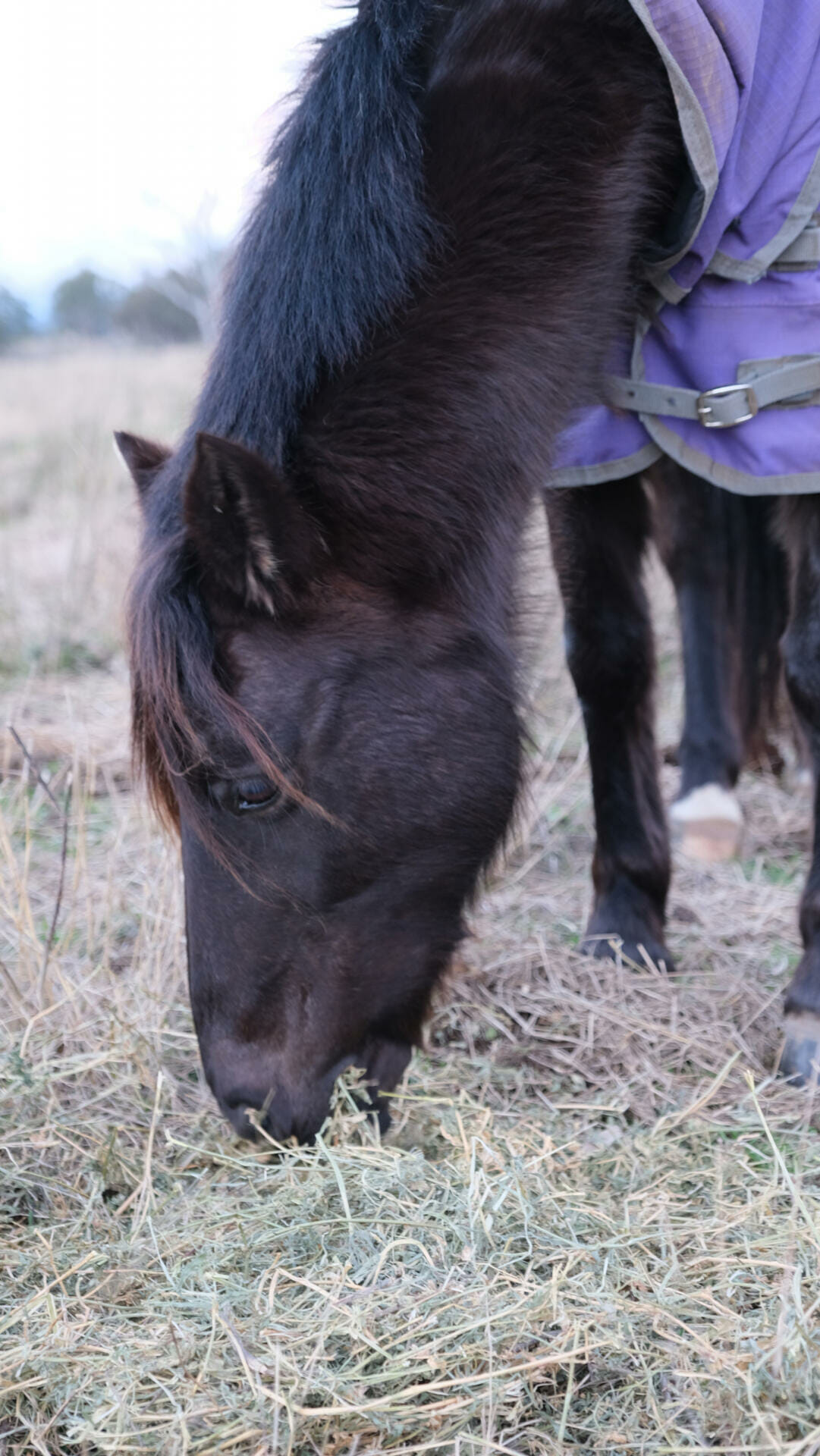
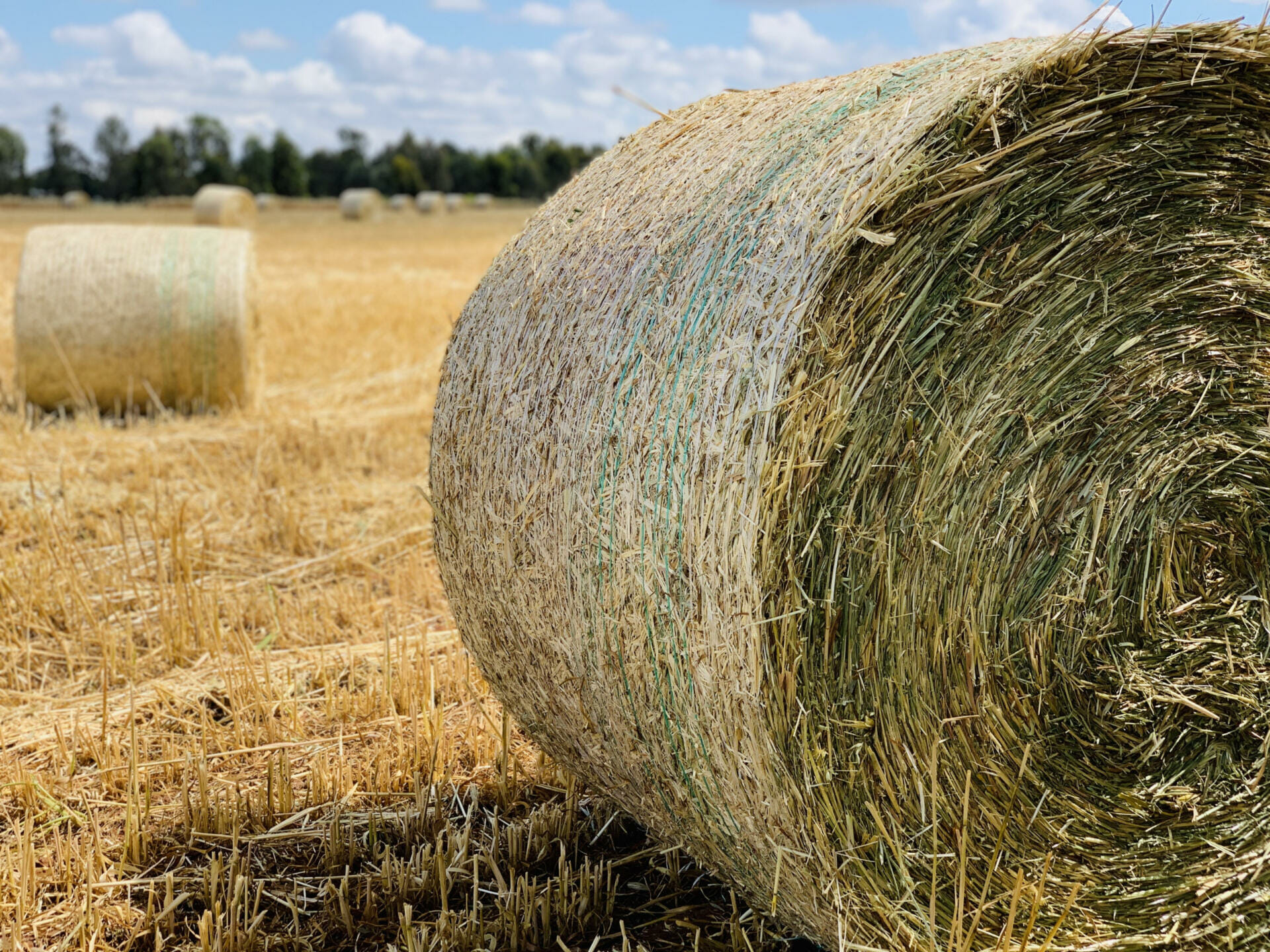
When a horse no longer has access to their normal feed, you should find something as similar as possible to replace it with. For example, if a horse’s normal grass pasture is burnt out by fire, you should initially put the horse on a diet of free choice grass hay. Don’t change them to something like lucerne/alfalfa hay or a hard feed-based diet straight away as it is just too different from what they were used to and may cause problems like diarrhoea and colic.
When additional feeds or supplements need to be added you should do so as slowly as possible.
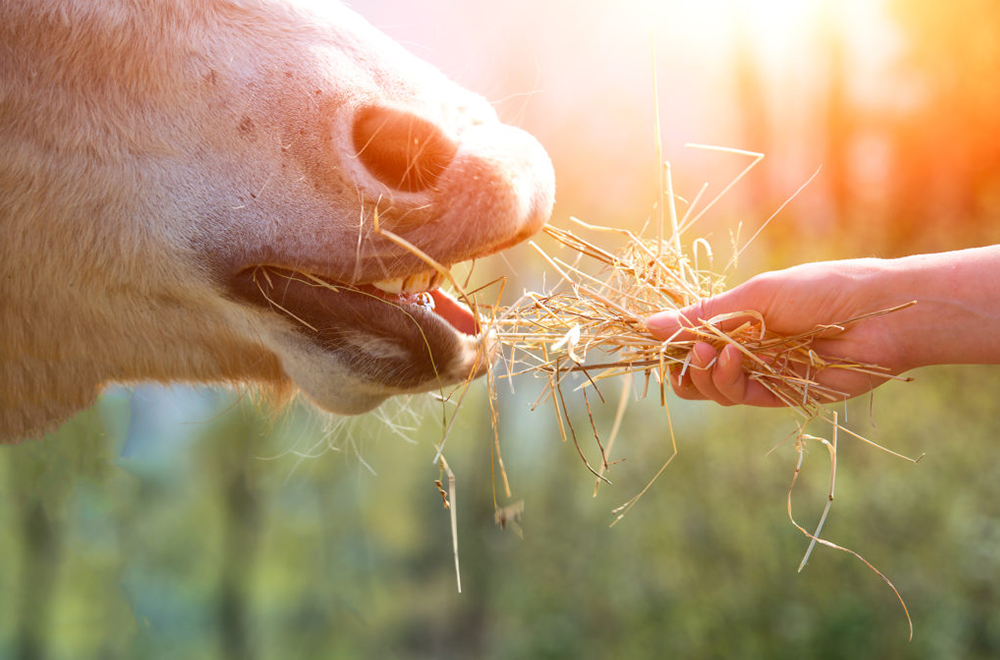
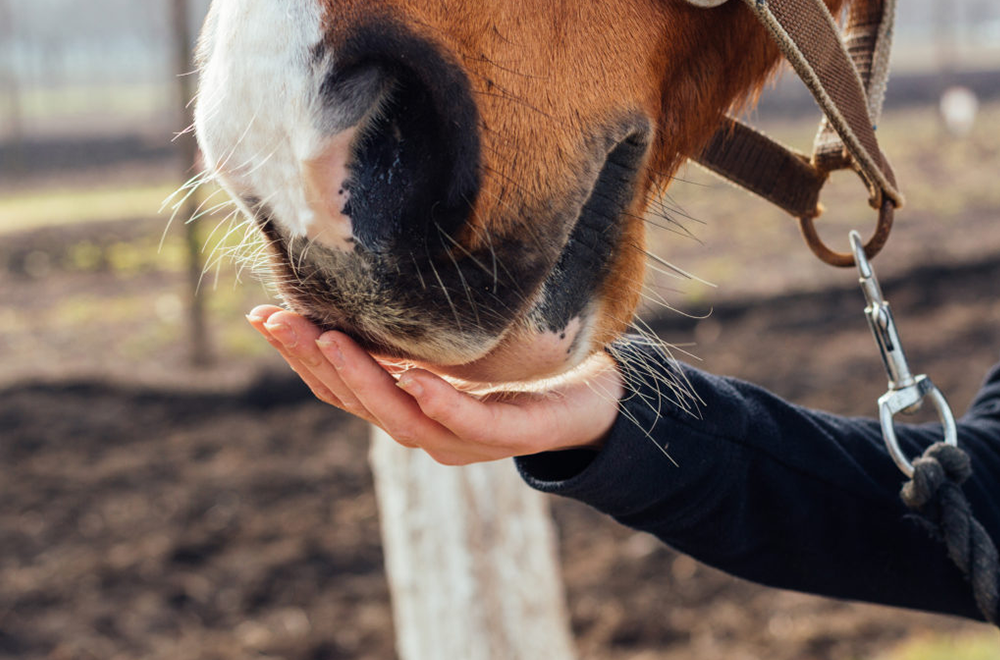
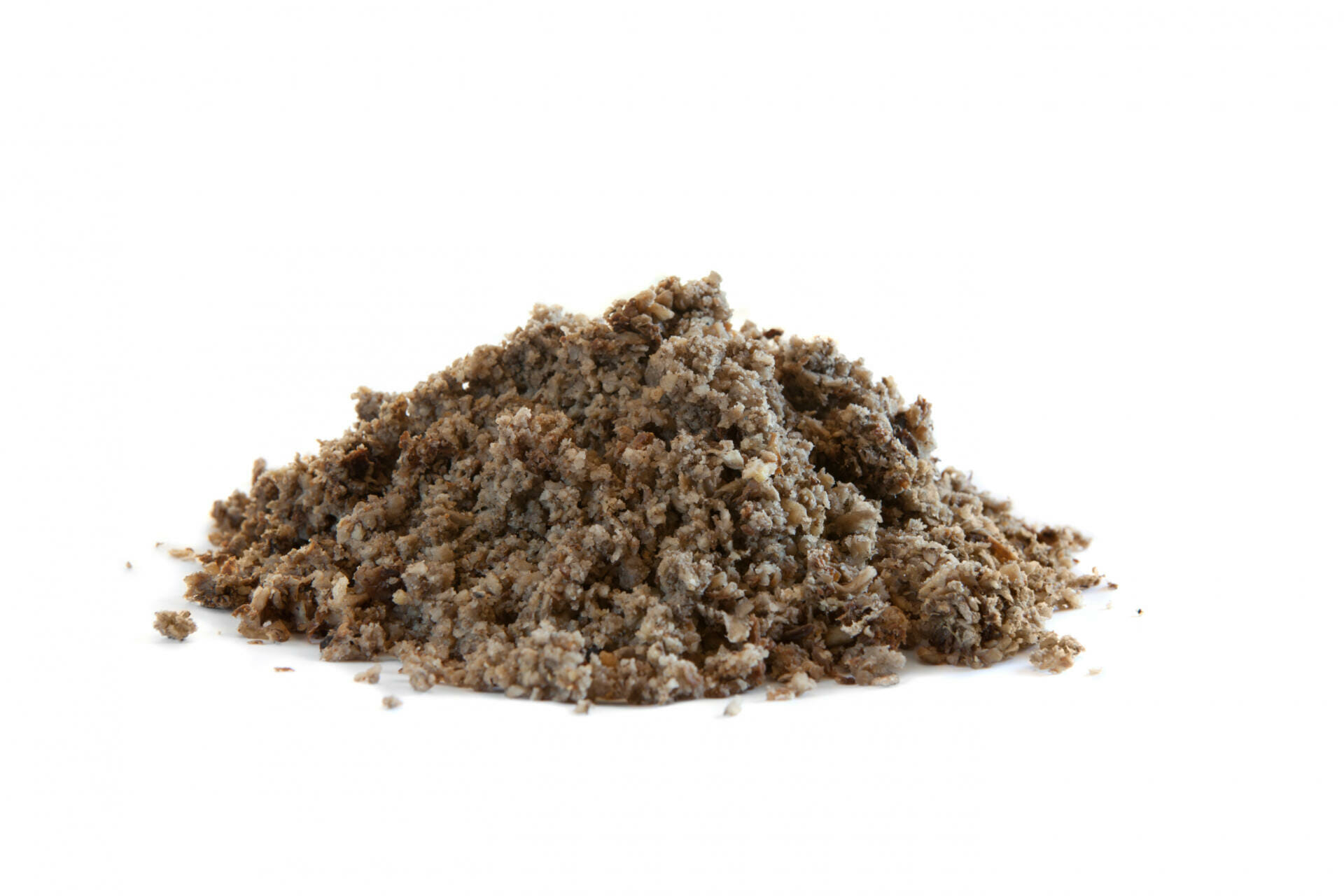
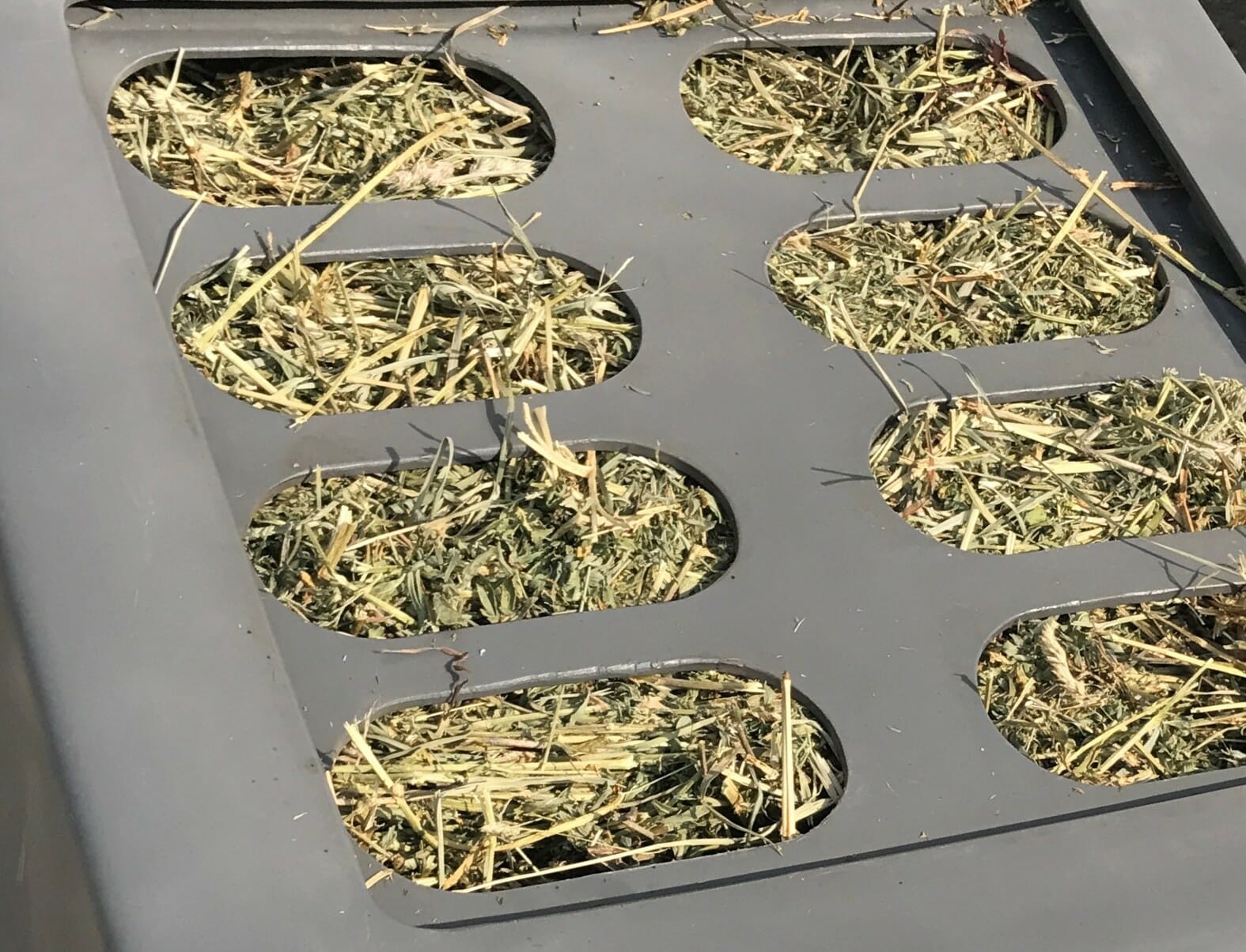
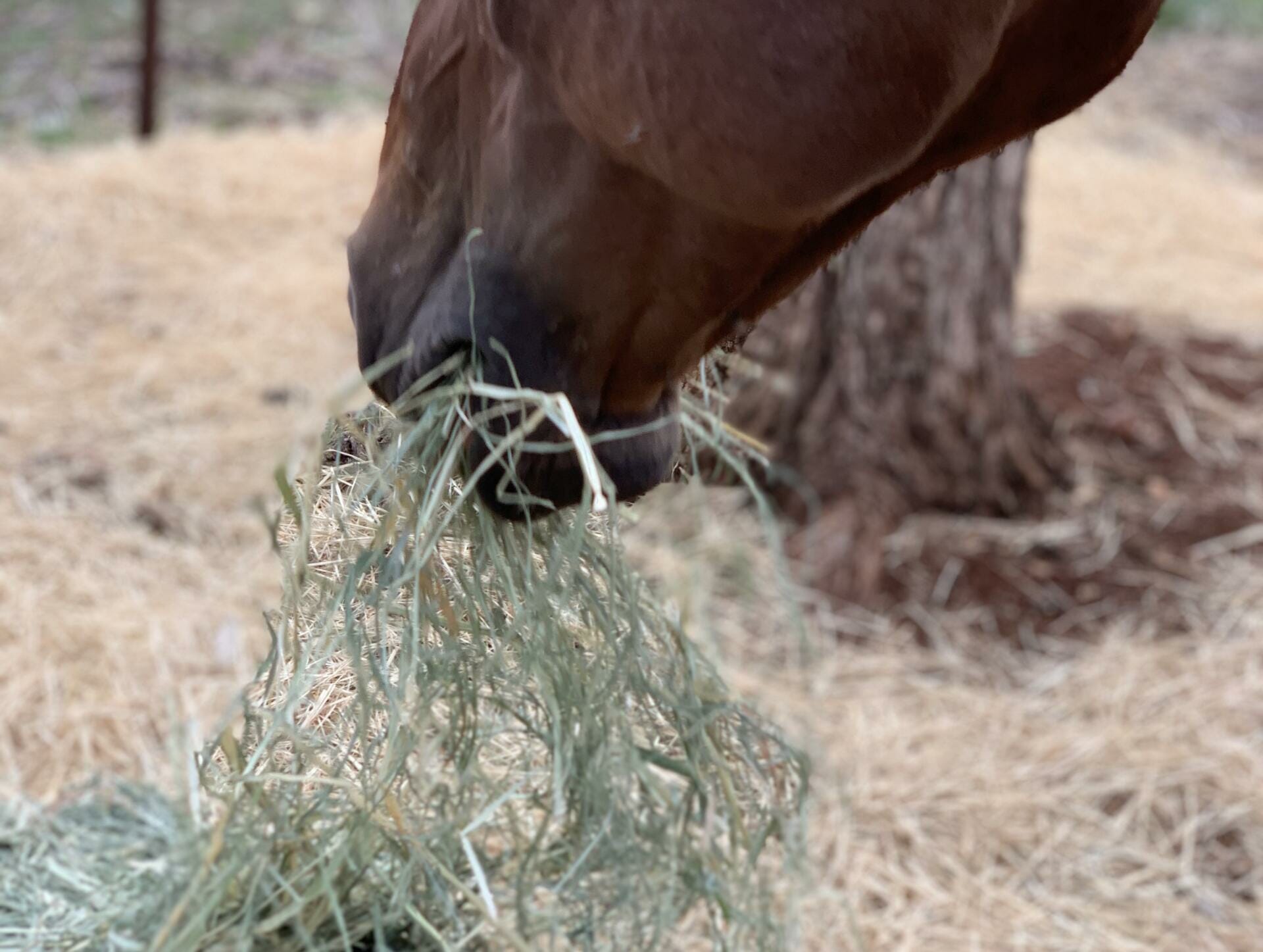
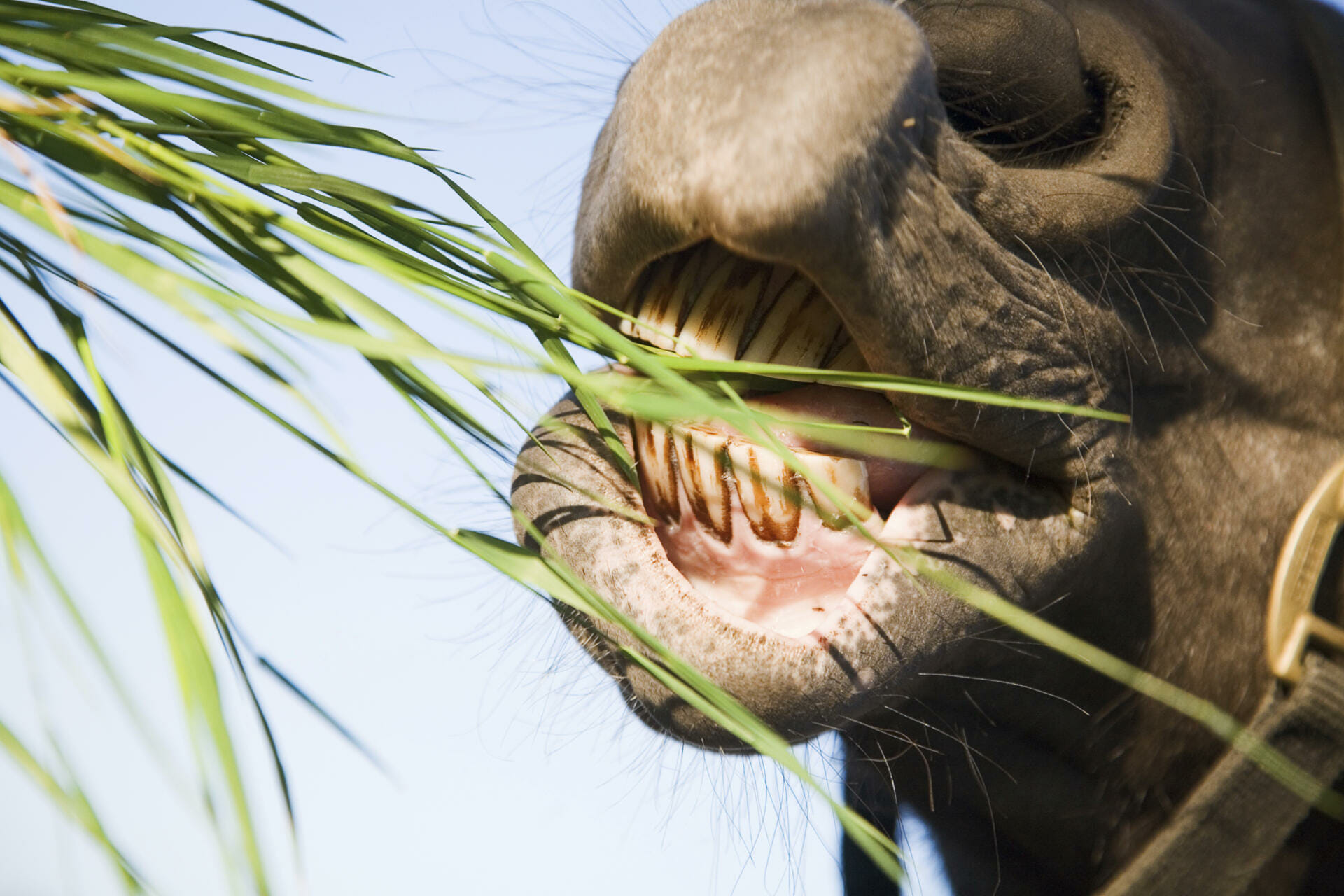
If the horse can’t eat its normal diet due to an injured mouth or muzzle, you should find ‘easy to eat’ versions of feeds similar to the feeds your horse was used to. So for example, if your horse was on grass pasture or grass hay, use oaten or wheaten chaff as an easy-to-eat alternative. If your horse was eating lucerne hay, use lucerne chaff. And if your horse is finding its hard feed difficult to chew and swallow, soak it in warm water to make it soft before feeding.
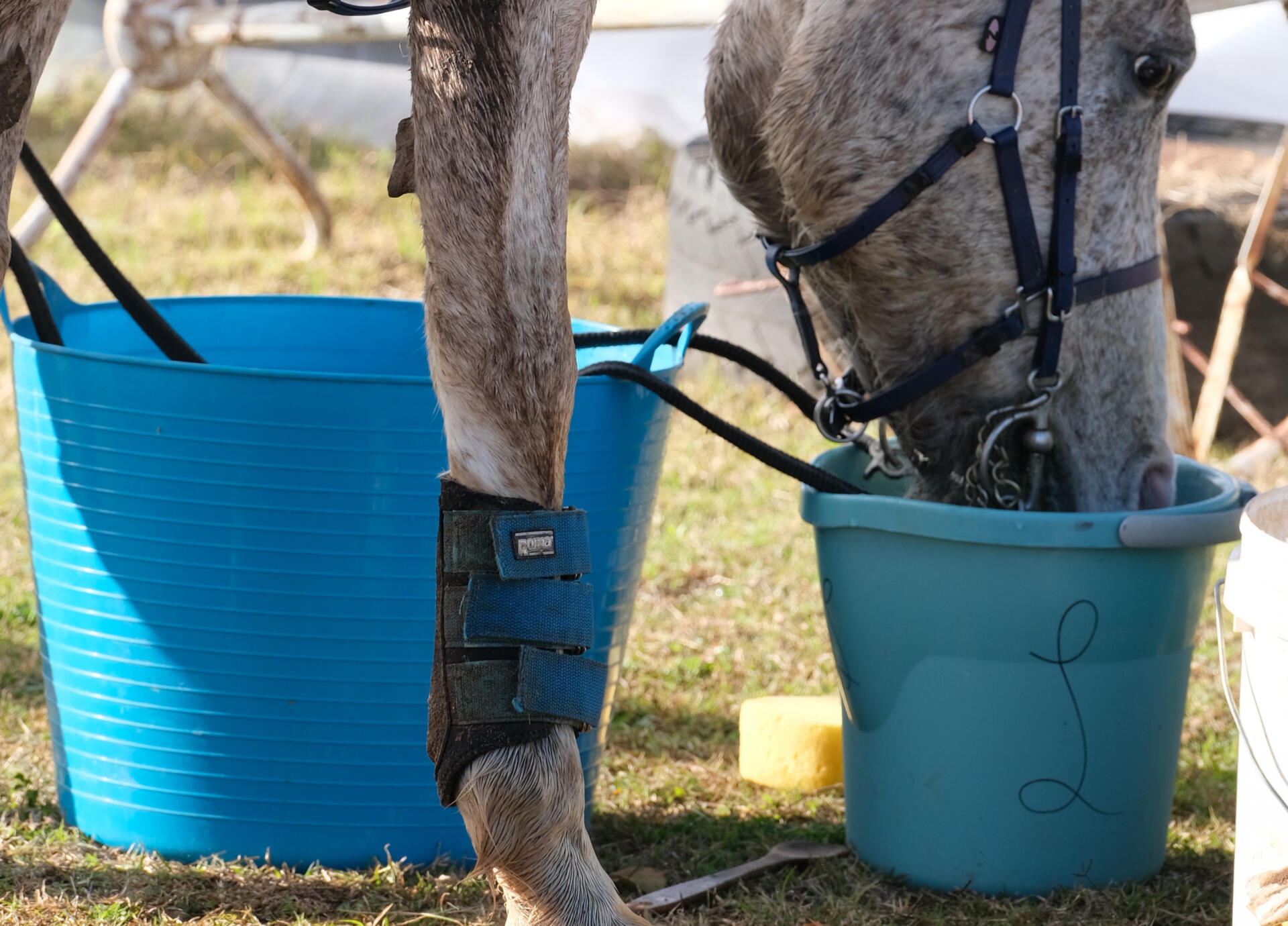
If your horse changes from moist pasture to hay suddenly keep a very close eye on water intake and use water sweetened with molasses or apple juice to encourage drinking if water intake is low. Not drinking enough when eating dry hay puts horses at real risk of impaction colic.

A sick or injured horse needs to have its calorie intake carefully managed. There are two main situations you need to be aware of:
If none of these strategies work and the horse still will not eat, contact your veterinarian that is caring for the horse and discuss the options available for tube feeding if required.
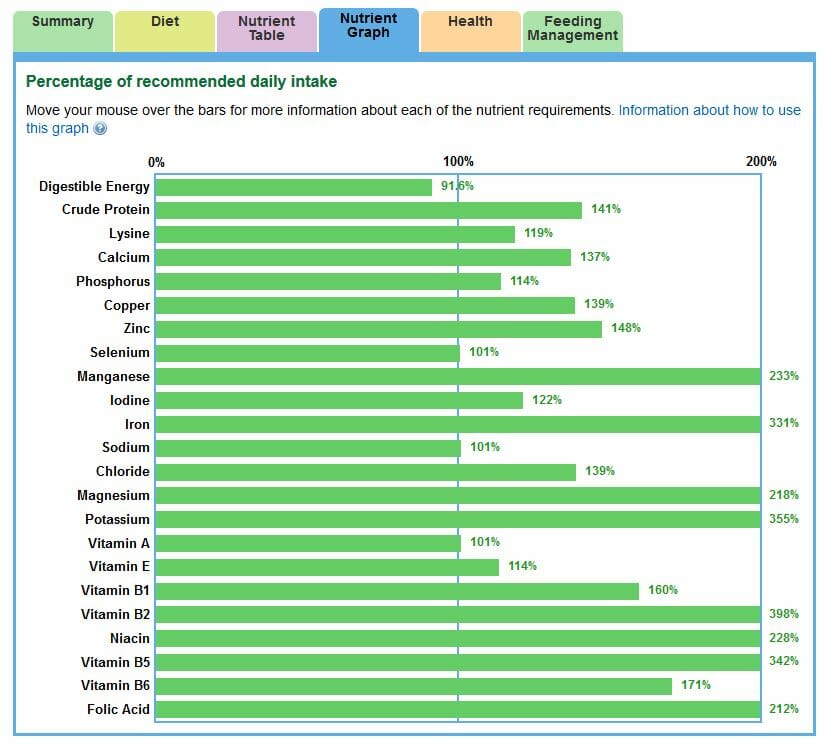
Never is feeding a balanced diet more important than when feeding a horse recovering from sickness or injury. Protein and certain vitamins and minerals are critically important for promoting the healing process as is ensuring the horse is receiving the correct amount of calories.
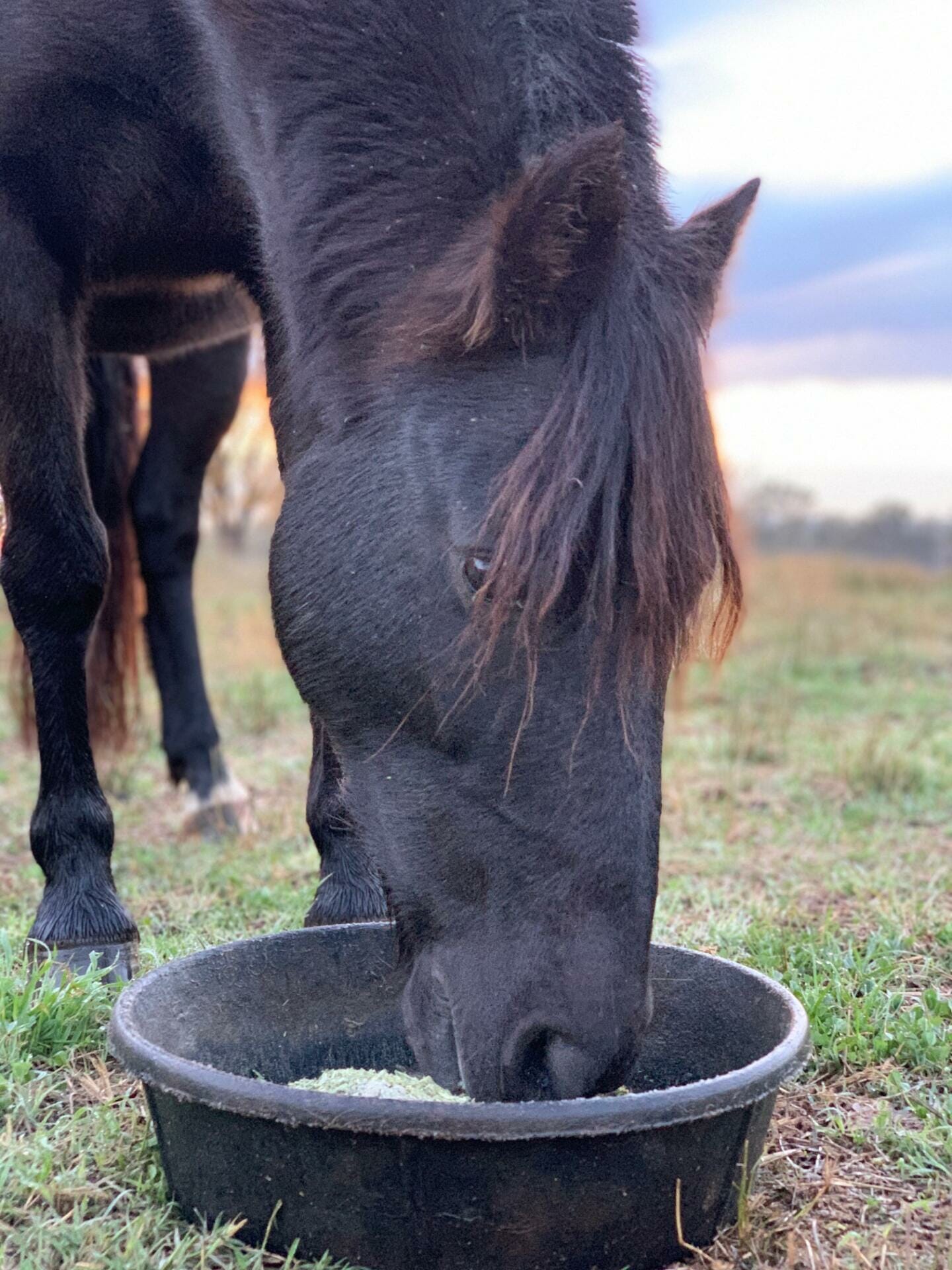
If your horse is only eating a small amount of feed each day, the diet should be balanced so that its nutrient needs are largely met within that small meal size. This may involve feeding high protein supplements, concentrated vitamin mineral supplements and using high energy oils and grains to help meet calorie requirements.
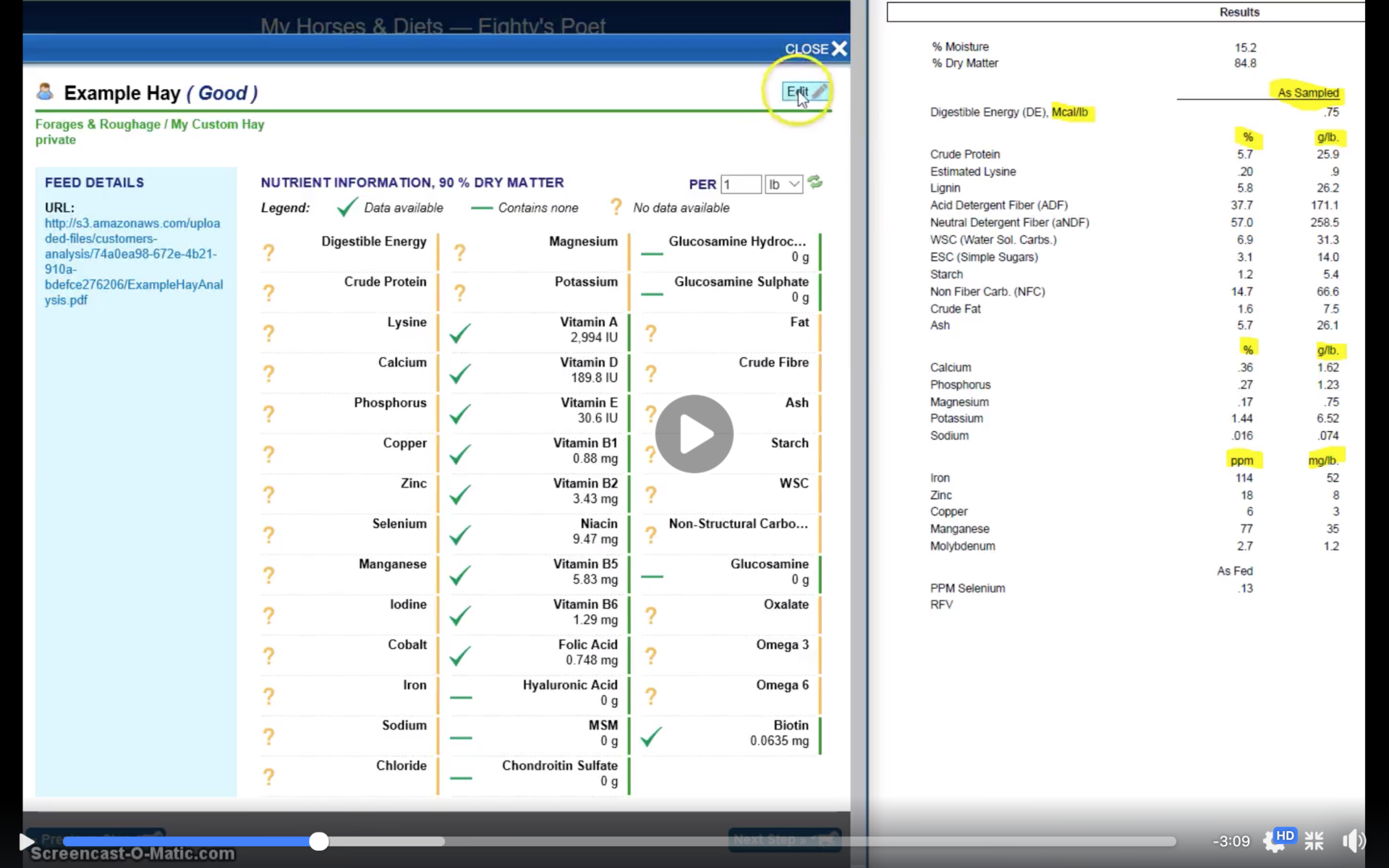
FeedXL allows you to balance diets accurately for horses recovering from illness or injury. Simply choose ‘Horse Recovering from Illness or Injury’ or ‘Growing Horse Recovering from Illness or Injury’ when entering your horse’s details.
Severe burns cause:
Thus, a severely burnt horse’s requirements for these nutrients as well as fluid and calories can be increased up to 100% above maintenance needs.
The diet for these horses should be:
If you are not sure where to start with feeding a sick or injured horse, seek professional help. We can certainly help on the FeedXL Members Facebook Group. Feeding a horse the wrong thing when sick or failing to recognise that your horse has special requirements can slow the healing process, suppress your horse’s immune system, and expose your horse to secondary disease and infections. It is important to get it right.
Not yet a Member of FeedXL?
Get EVEN MORE practical and personalised feeding guidance when you sign up to FEEDXL.
SIGNUP TO FEEDXL NOW
We would love to welcome you to our FeedXL Horse Nutrition Facebook Group. Ask questions and have them answered by PhD and Masters qualified equine nutritionists and spend time with like-minded horse owners. It’s free!
Click here to join the FeedXL Horse Nutrition Facebook Group