Winter can be a tricky time of year for feeding horses, especially if you have older horses or horses that lose weight easily. Feeding the right diet during winter will help keep your horses healthy and in good body condition. Here are some tips on how you can do it:
Use late summer and autumn while the temperatures are still comfortable and the pasture and hay quality still high to get your horse in good shape for winter. All horses during this period need to be fed a balanced diet (more on this soon) to make sure they are generally healthy and their immune systems fully functional.
If your horse tends to lose weight over winter it can be fed a little more than normal during this time to get a bit of extra condition on them, so if they lose weight during winter, they won’t end up being too skinny.
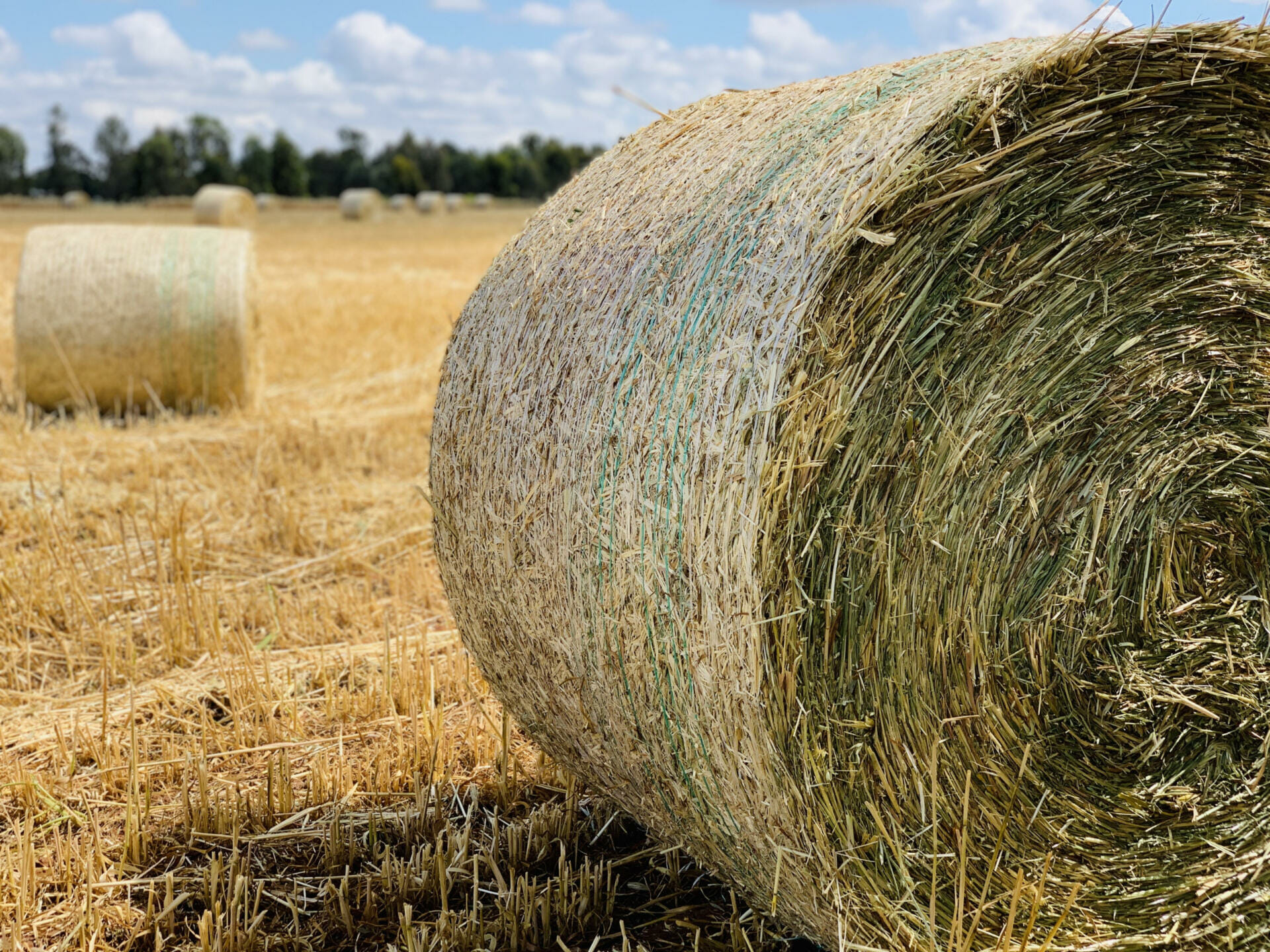
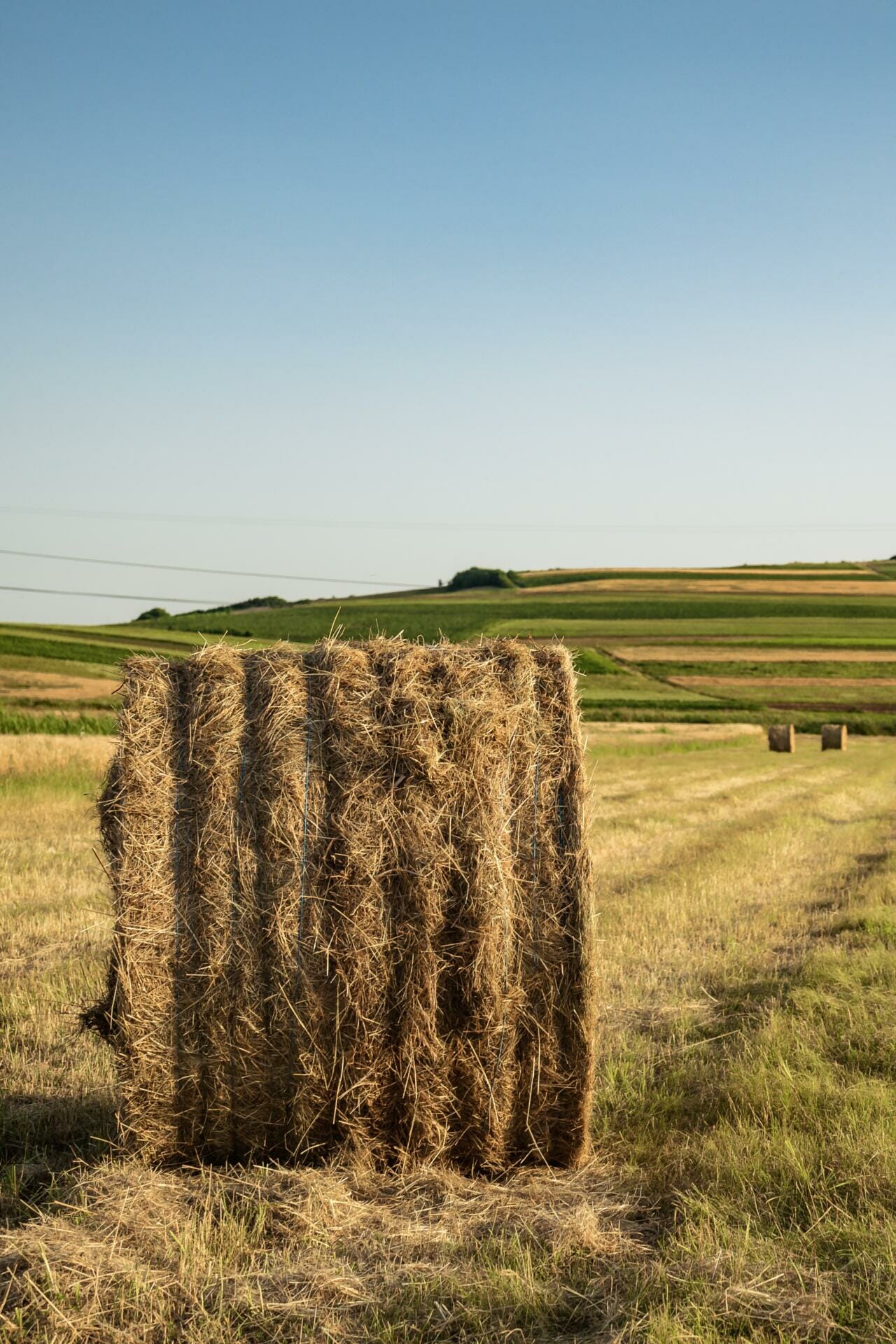
You should also be looking to buy hay in summer as availability and quality are high but demand is lower meaning you will get a good quality product for less than you will pay in winter.
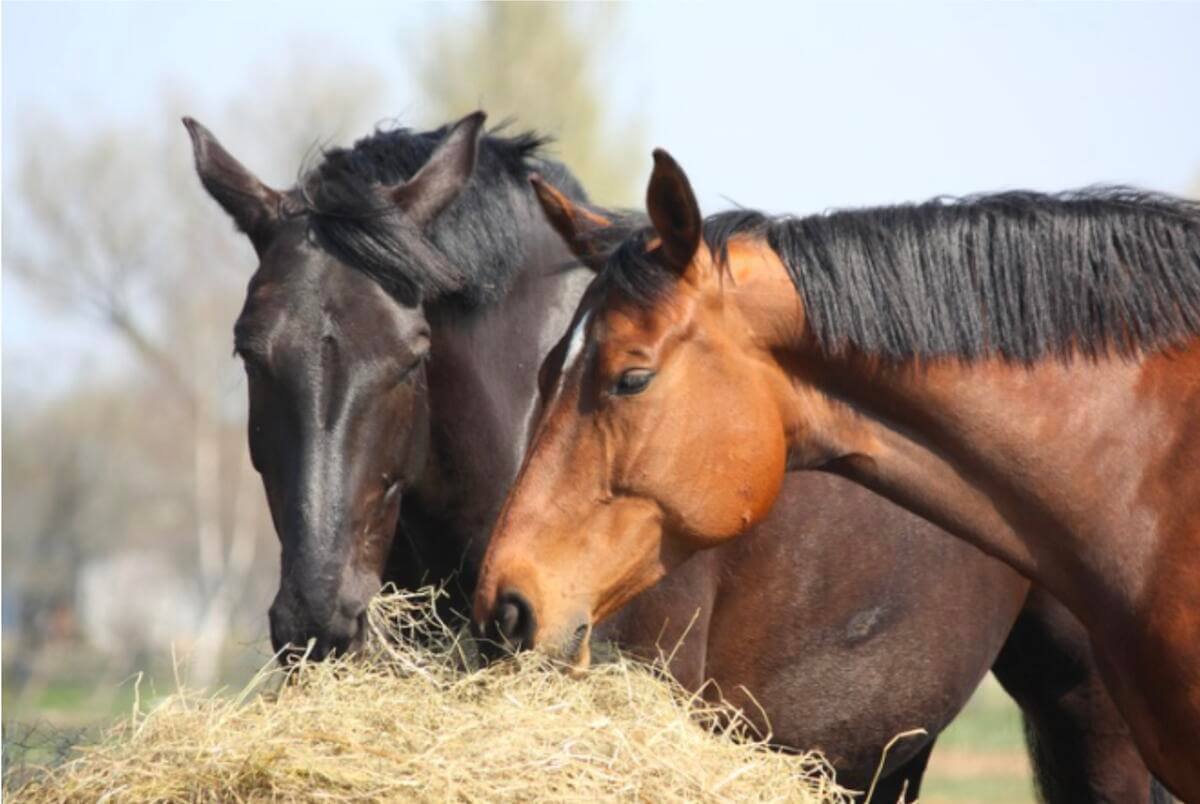
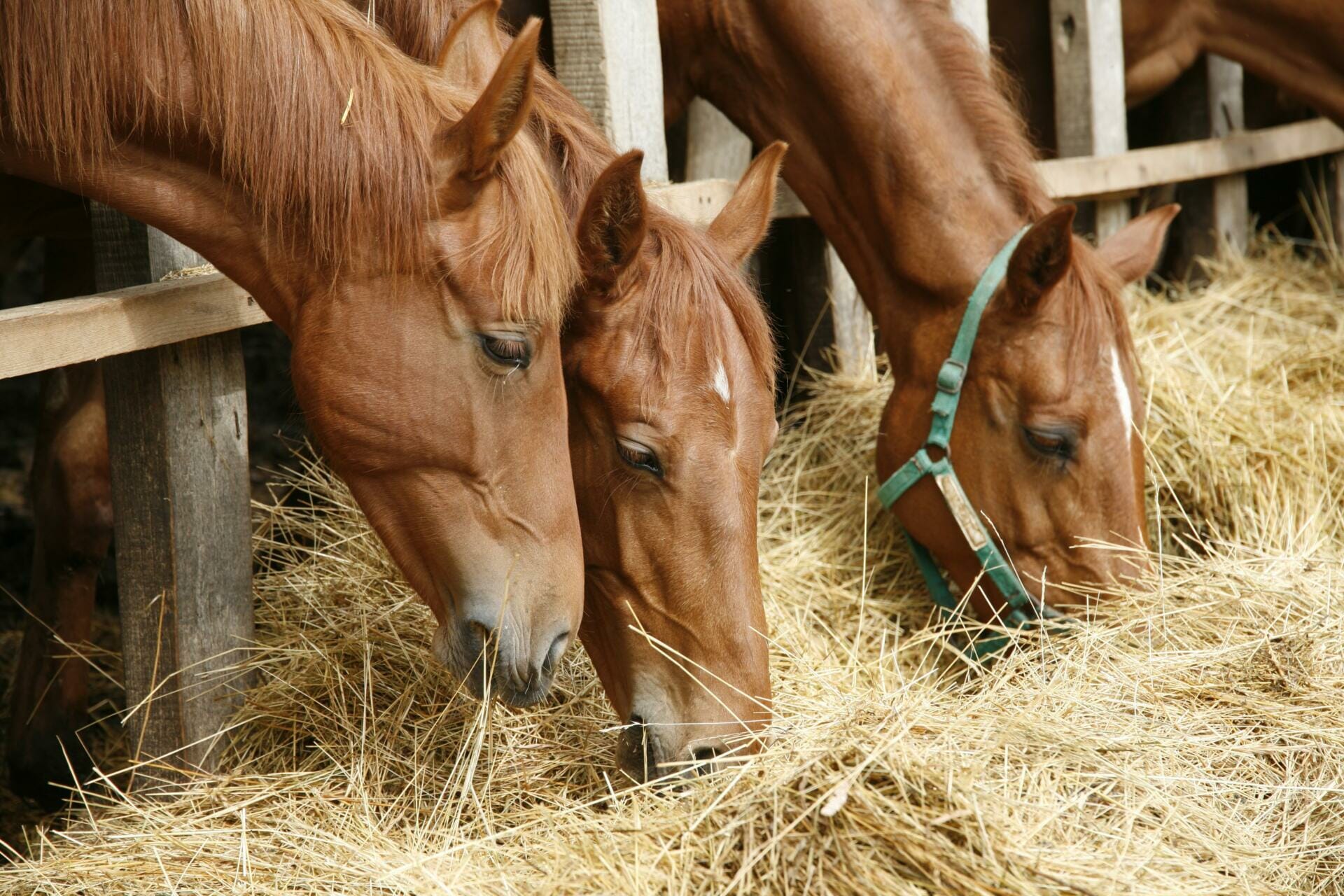
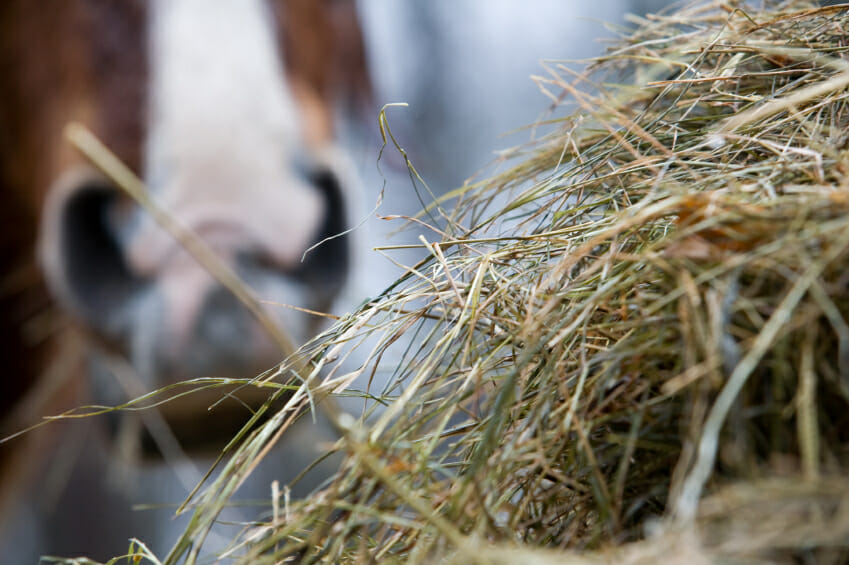
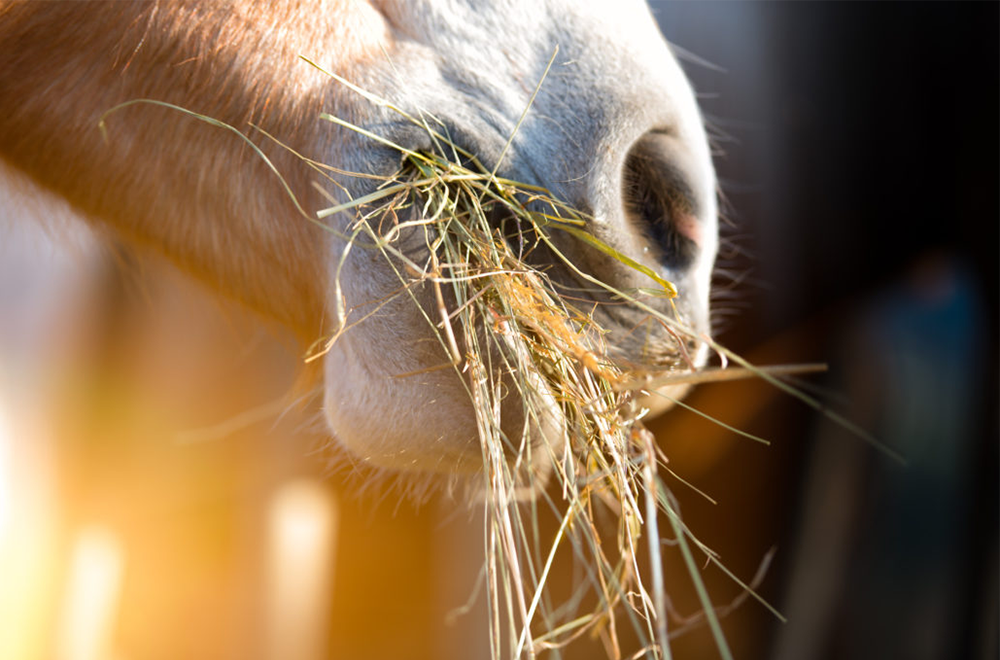
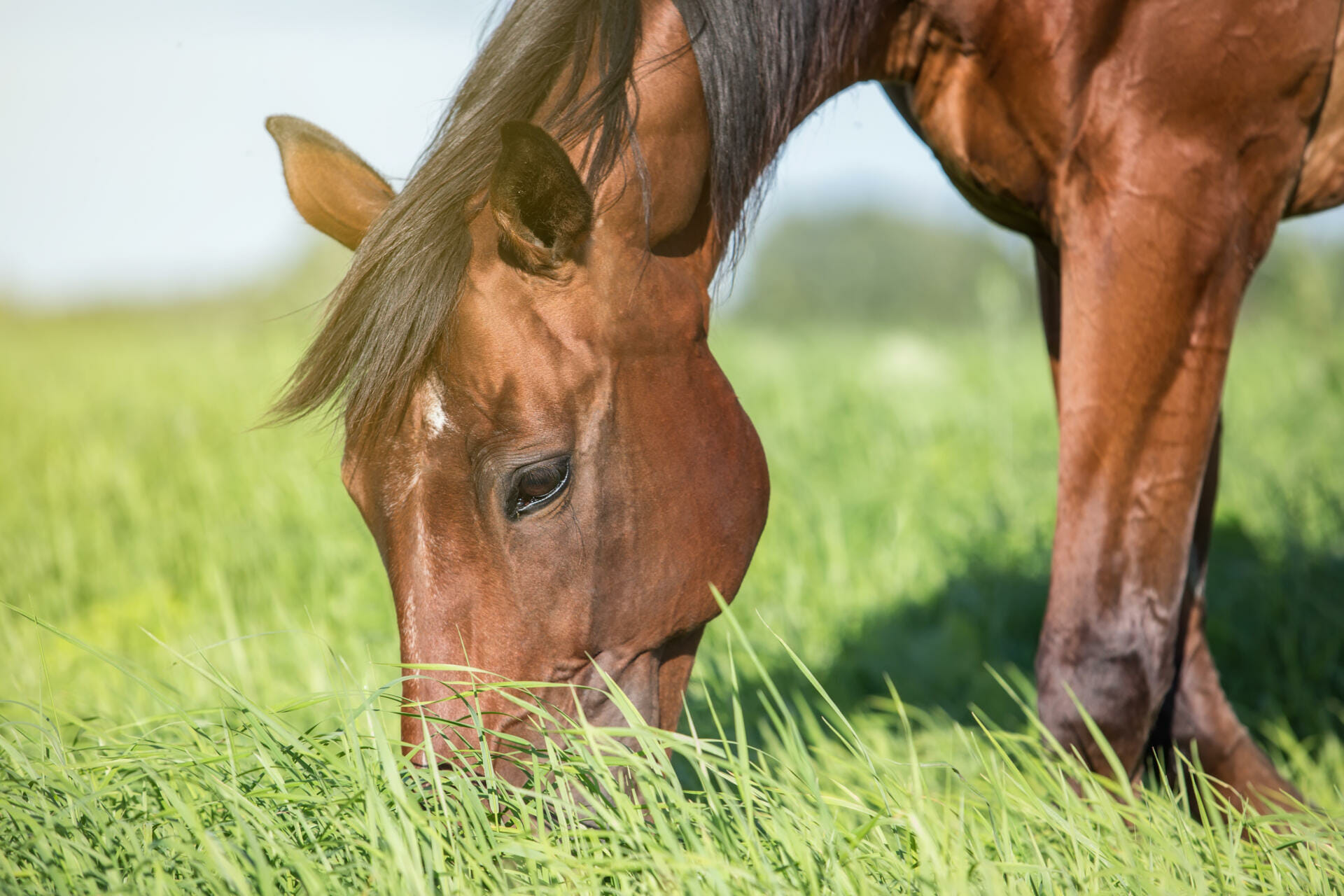
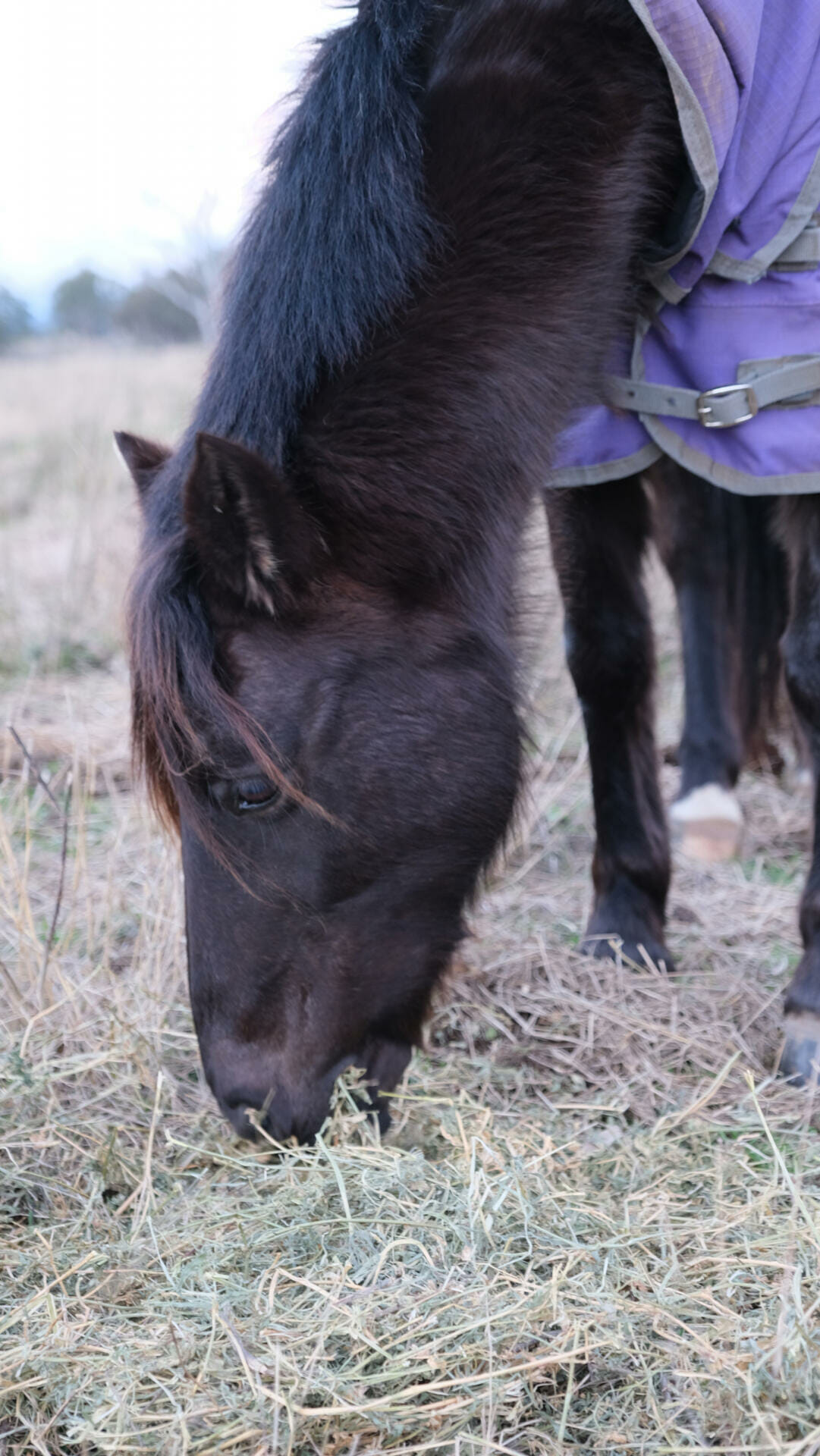
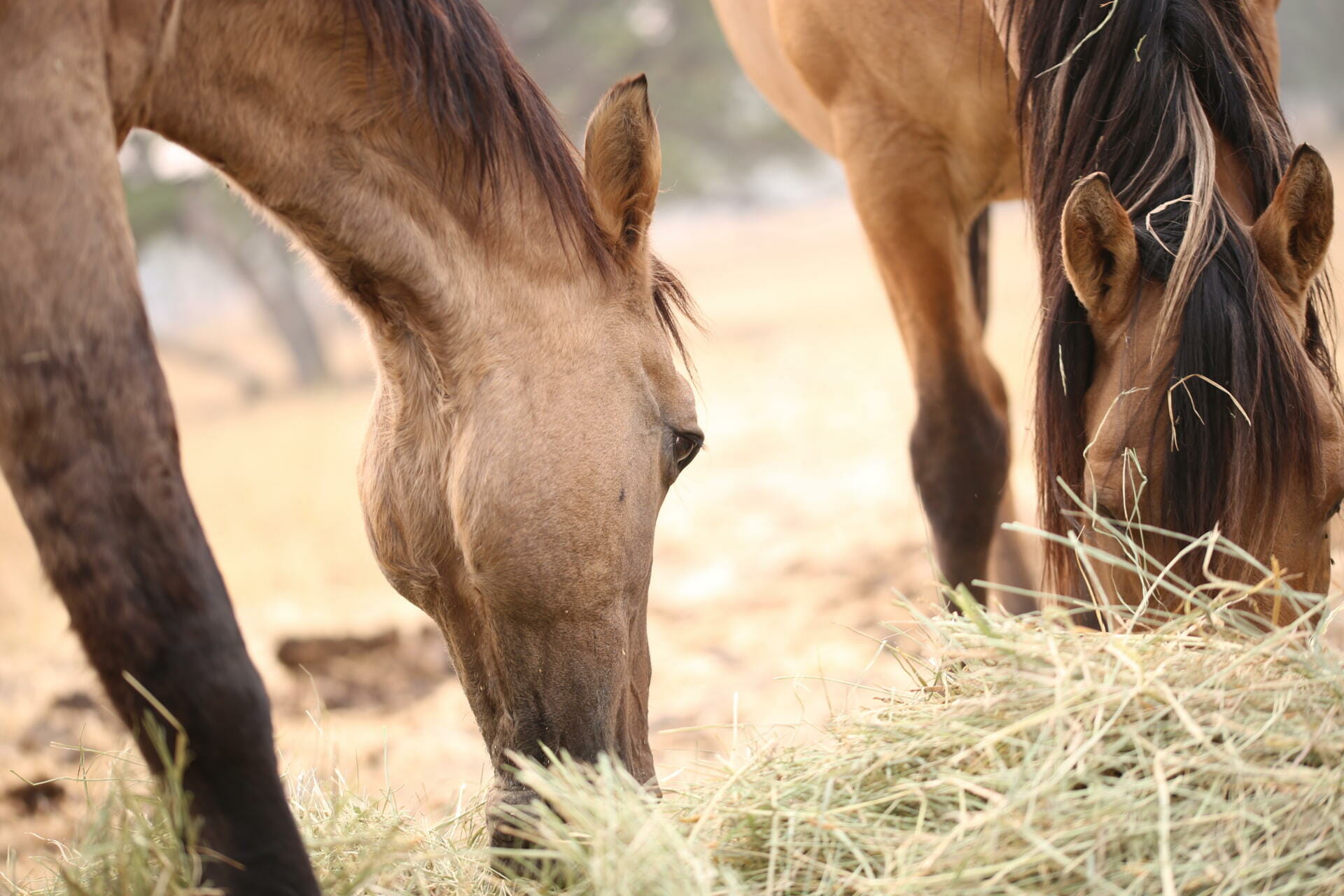
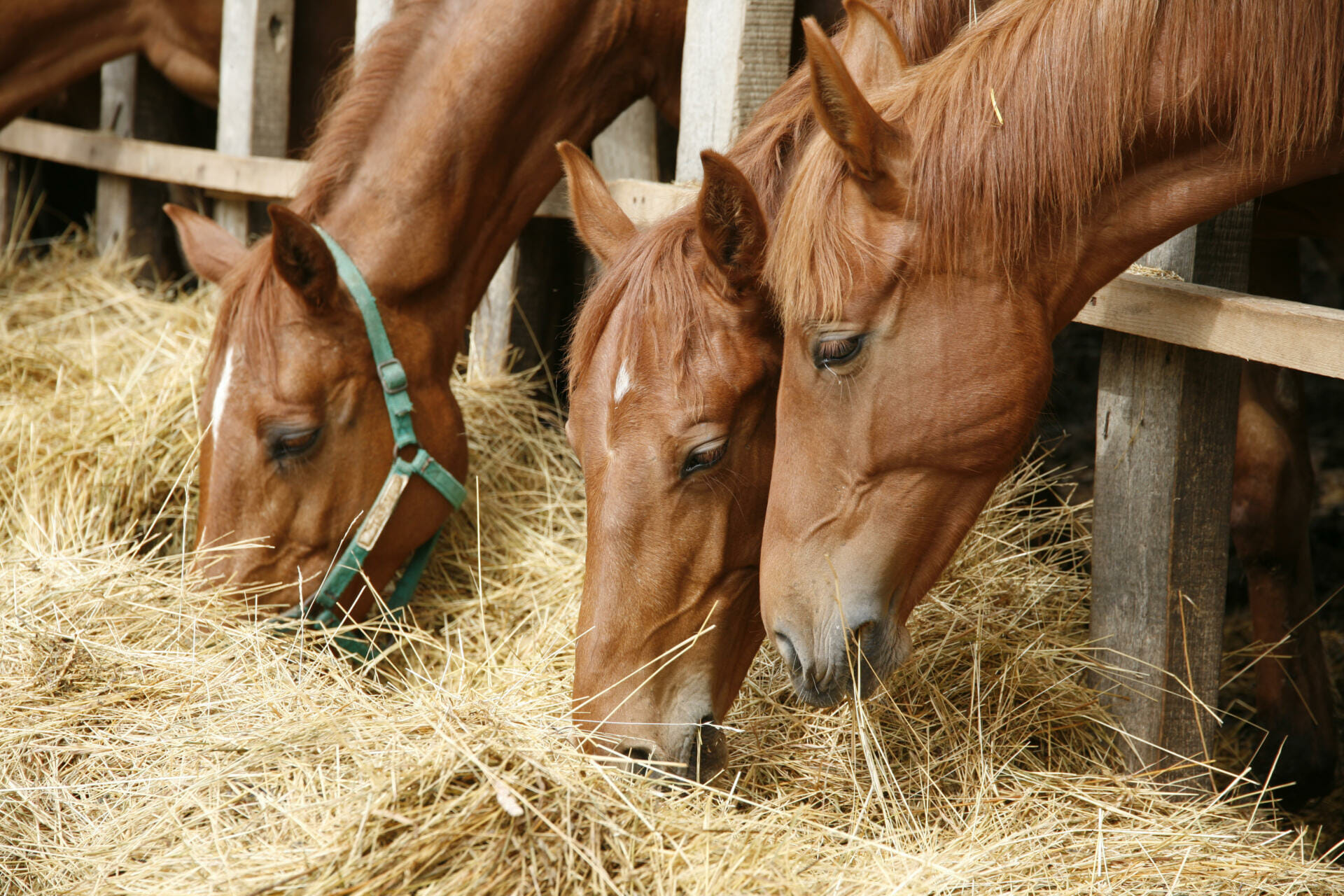
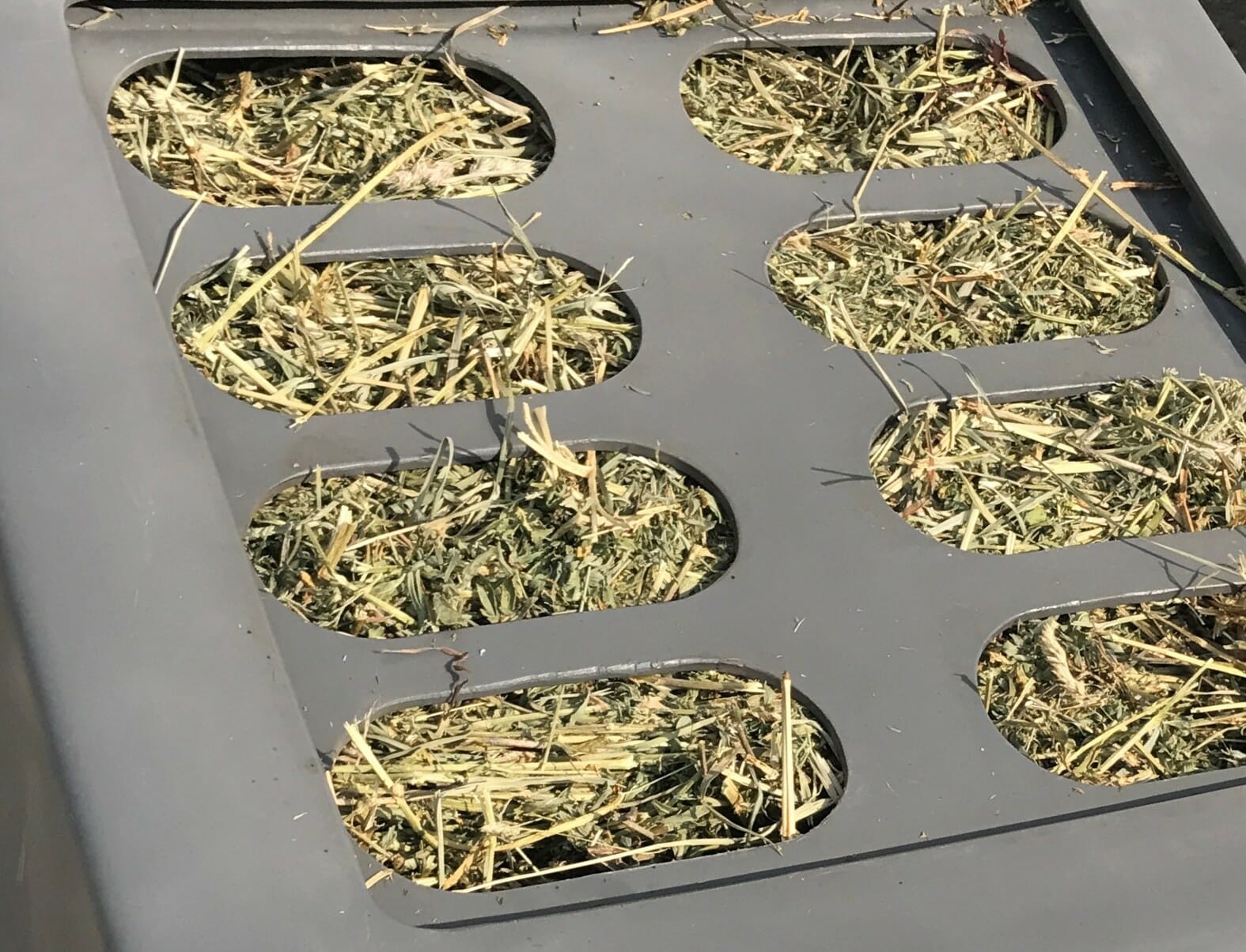
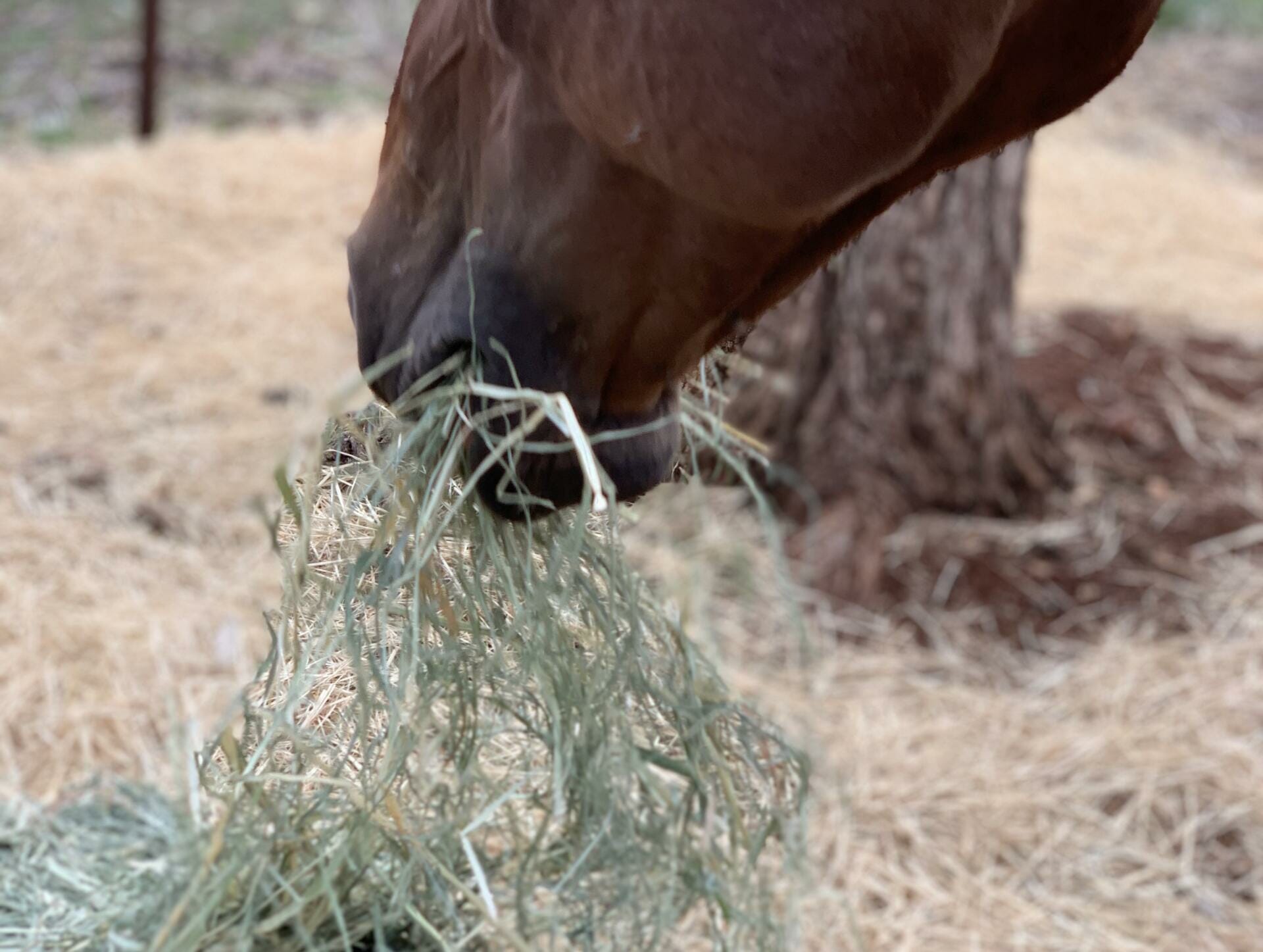
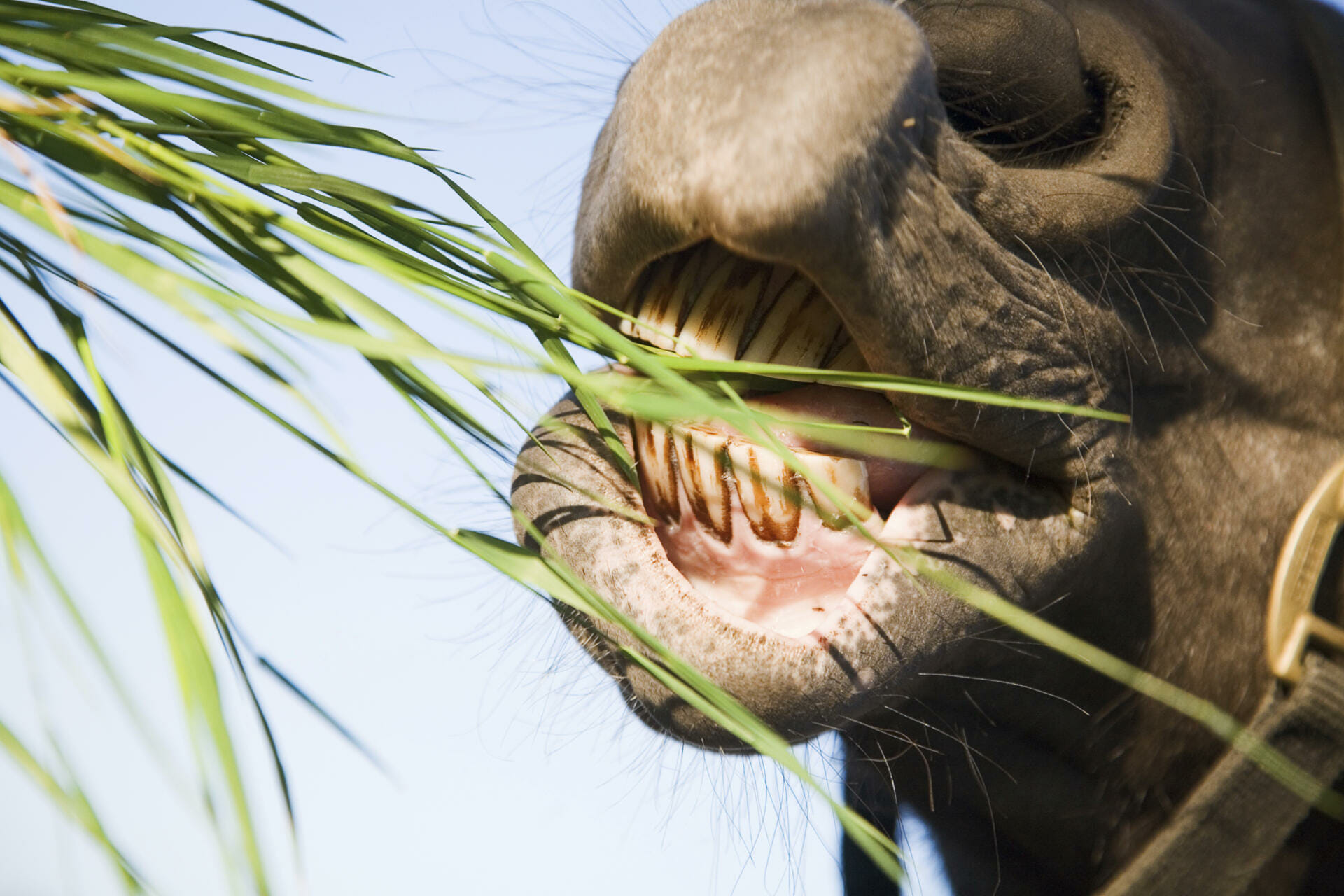
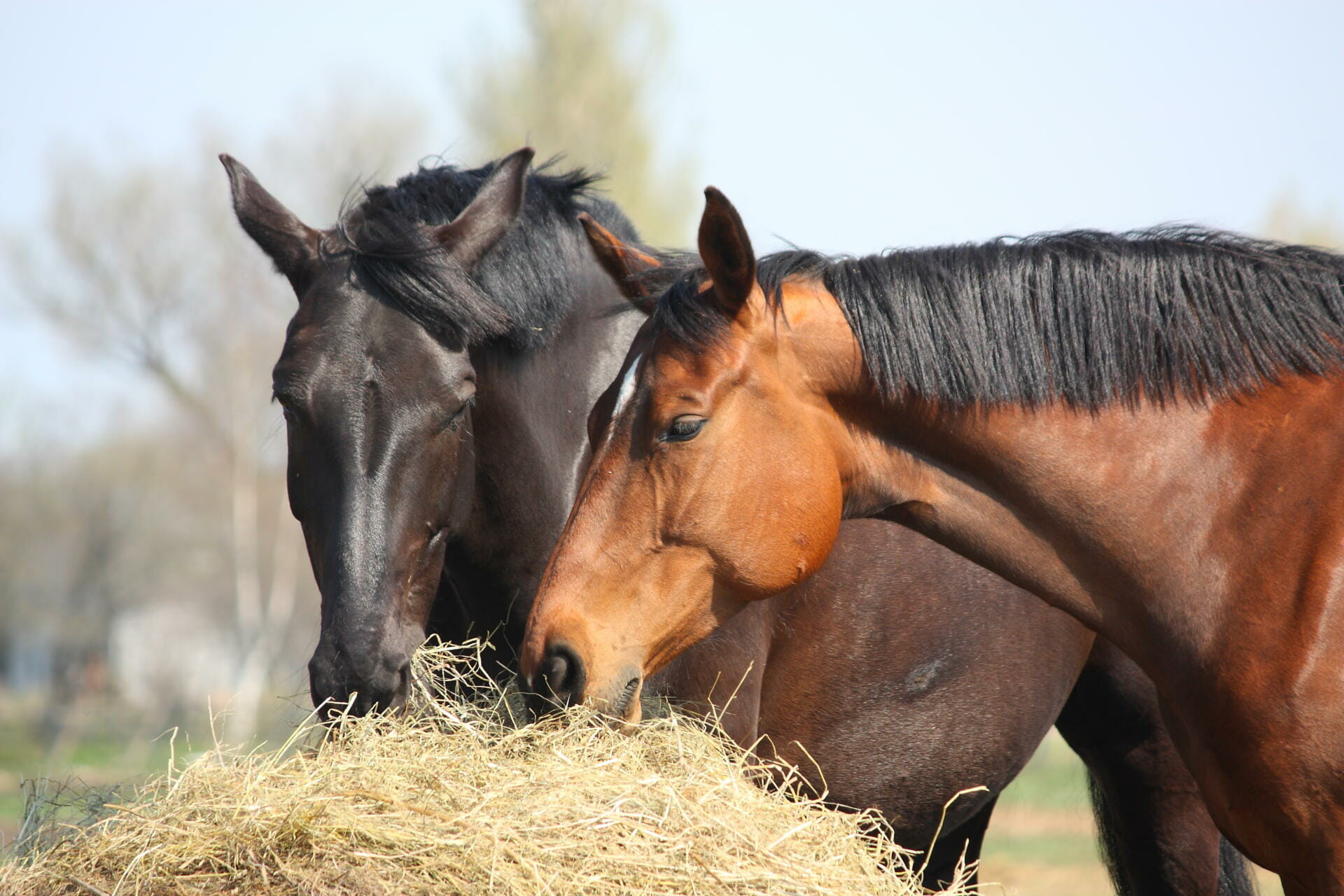
Forage (hay, chaff and pasture) provides your horse with many of the calories they will need to maintain weight during winter. Aside from that, forage will keep your horse warm in winter. During the digestion of forages in the horse’s gut, bacteria ferment the fibrous portions. One of the ‘by-products’ of this fermentation is heat, and it is this heat that really helps a horse to stay warm during winter.
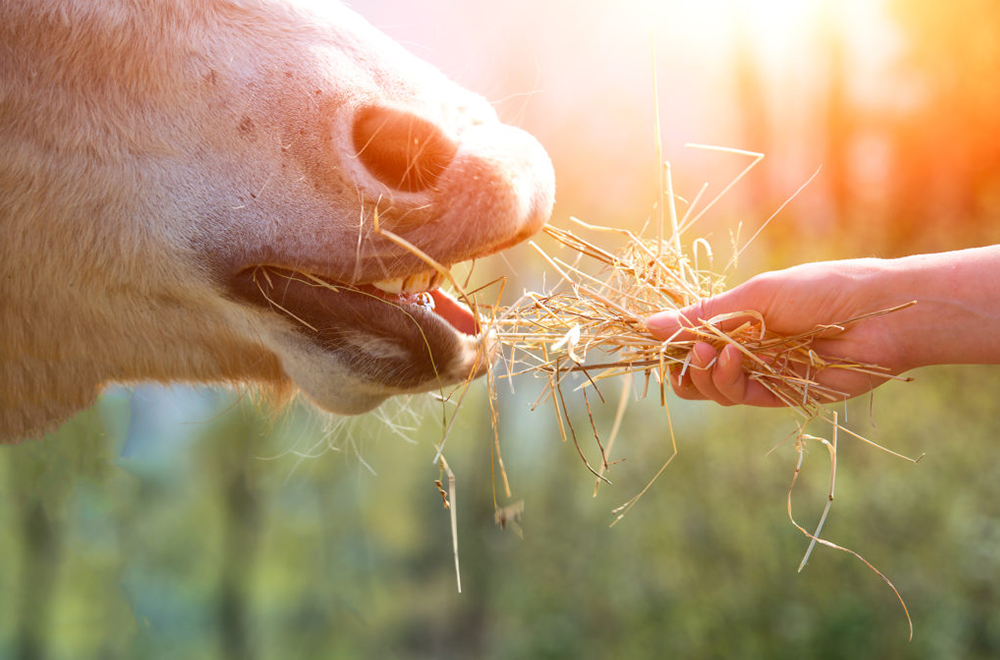
Because of the ‘warming’ properties of forage, your horse will benefit more from an additional feed of hay than an extra feed of grain, pellets or sweetfeed in very wet, cold weather.
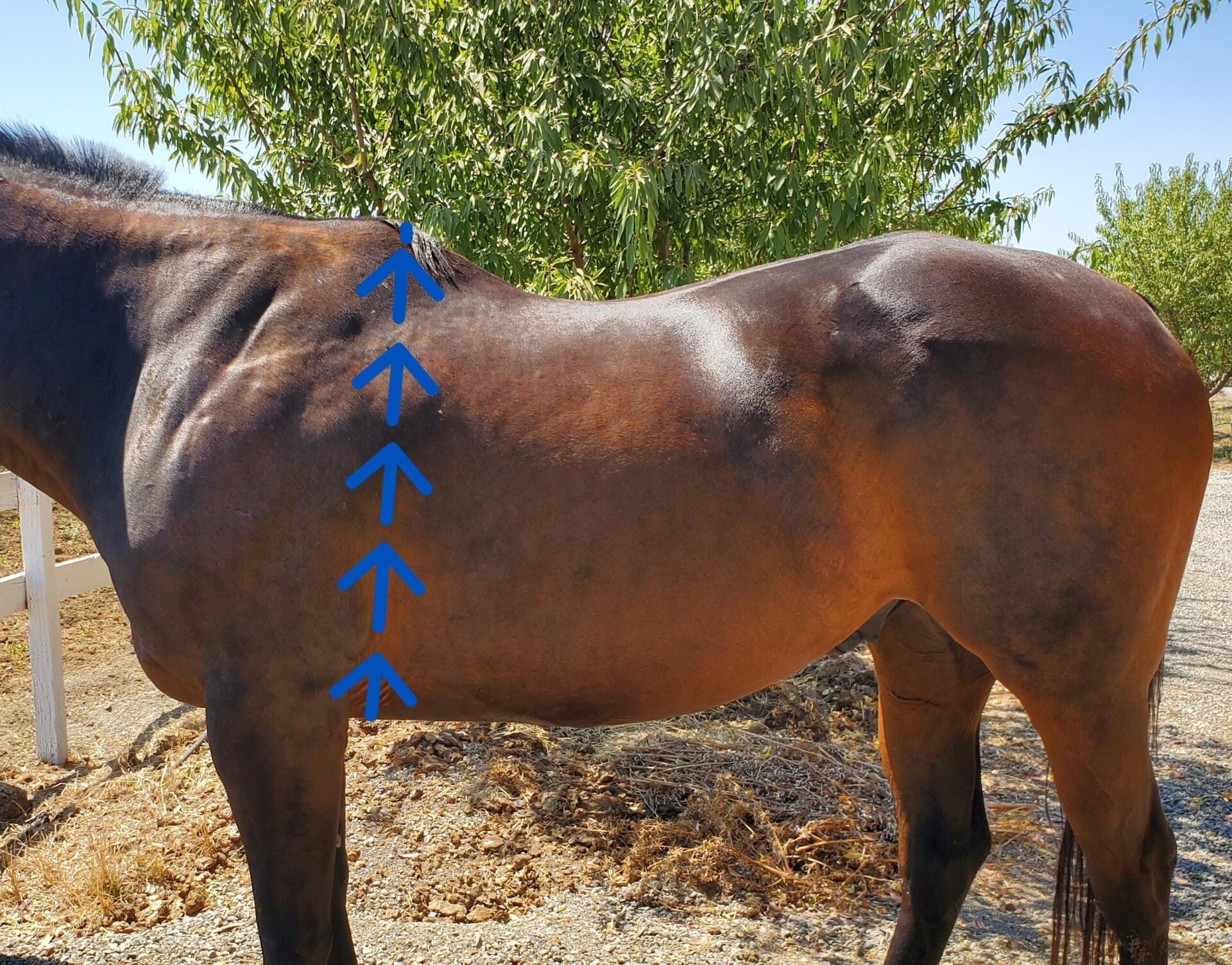
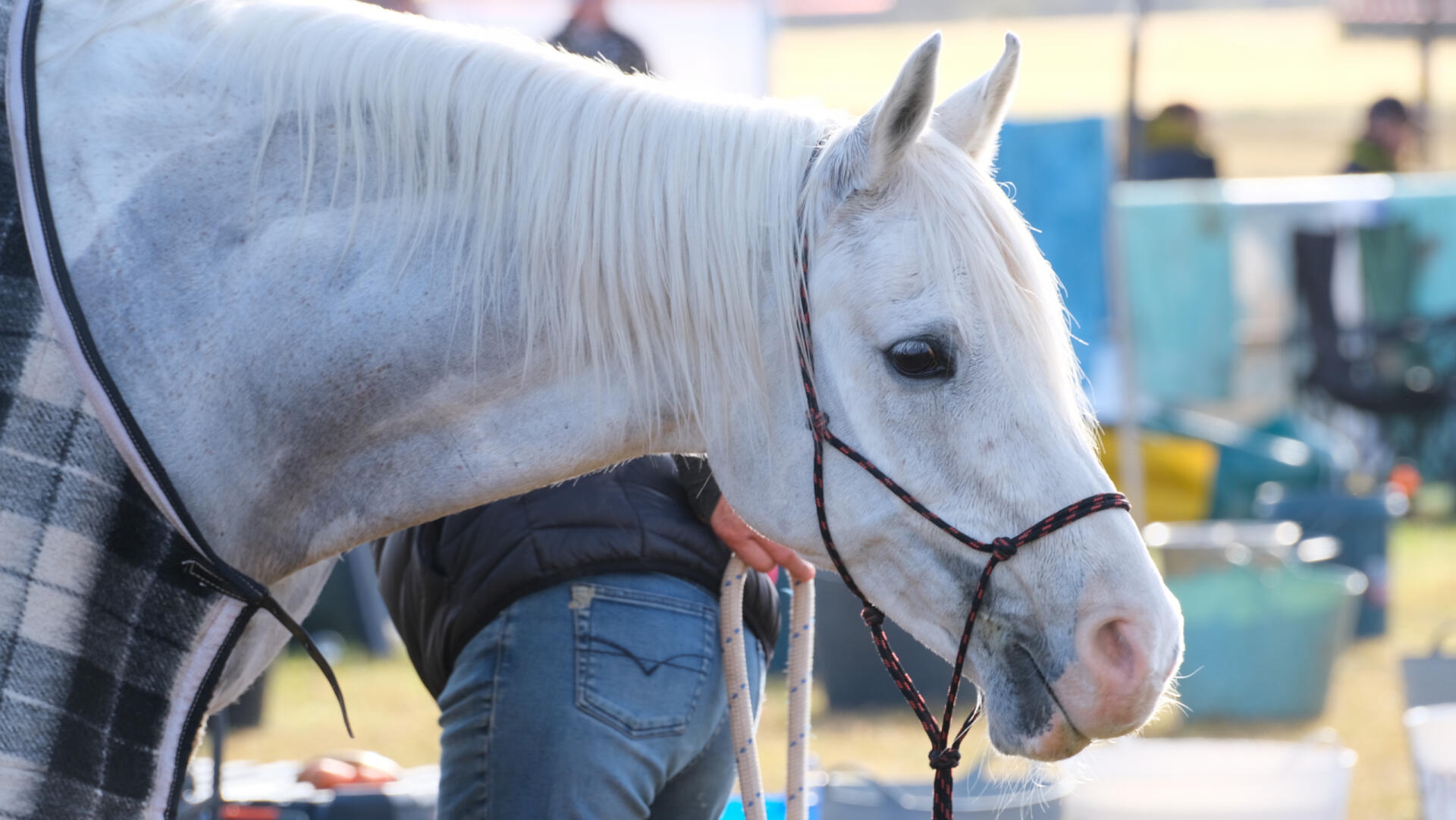
Don’t throw a rug on your horse in winter and leave it on for weeks on end without taking it off to check your horse’s body condition (and of course that it doesn’t have any injuries or sores that are covered by the rug). Condition scoring involves looking at areas on your horse’s body such as the top of the neck, the wither, over the ribs and over the loin to assess the amount of body fat (which we call body condition) your horse is carrying. For more information on Body Condition Scoring, click here to see our post ‘Why Body Condition Score’.
At the very least, take your horse’s rug off every week so you can check to see if your horse is losing, maintaining or gaining weight.
Because you will be condition scoring your horse regularly you will know if your horse is maintaining, gaining or losing weight. Depending on what you want your horse to be doing, you may need to adjust the diet to keep your horse at the bodyweight and condition you want.
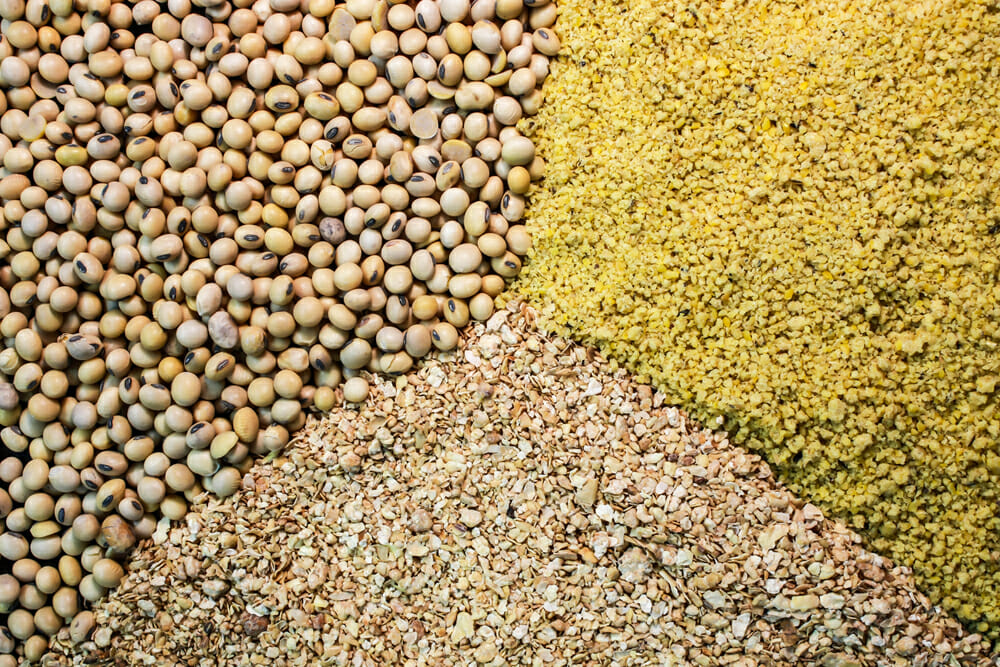
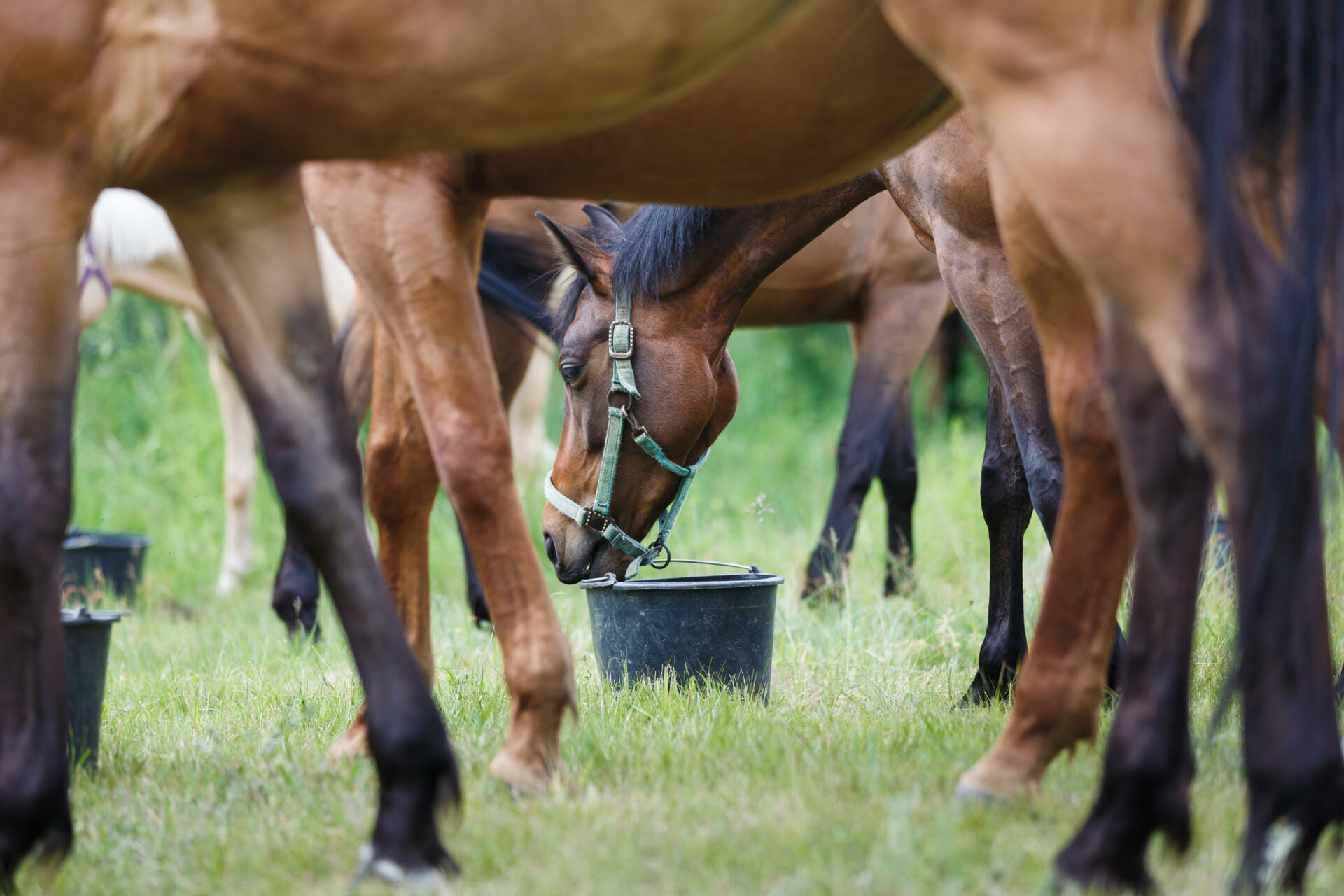
If your horse is gaining unwanted weight, you will need to reduce or remove high energy feeds like grains, pellets, sweetfeeds or oils in the diet. If your horse is losing weight that you don’t want him to lose, you may need to feed more calories in the diet. You can do this by:
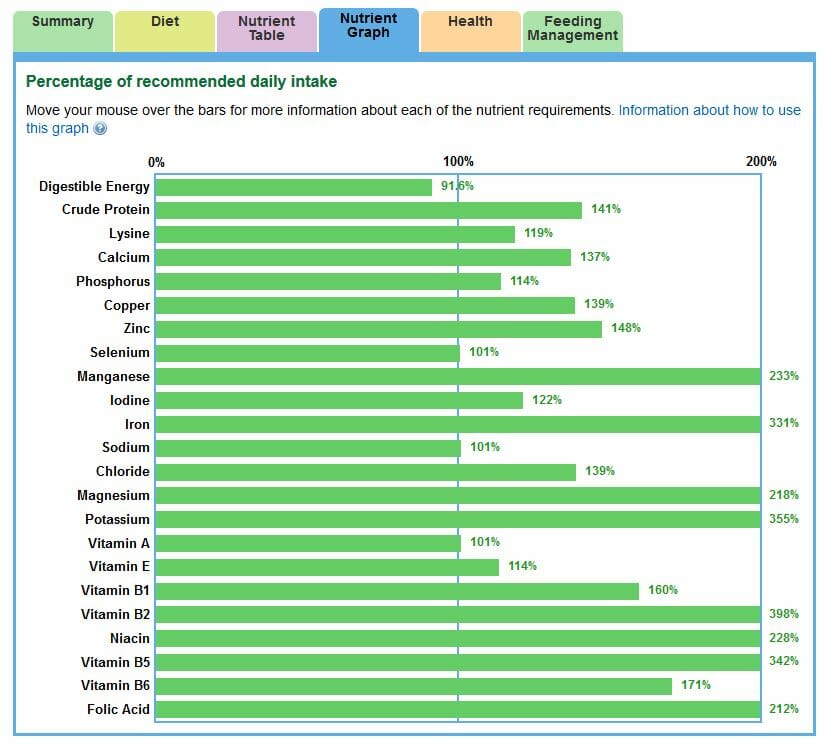
An unbalanced diet doesn’t meet your horse’s requirements for each of energy, protein, vitamins and minerals so your horse won’t be as healthy as he could or should be. Nutrient deficiencies can lead to:
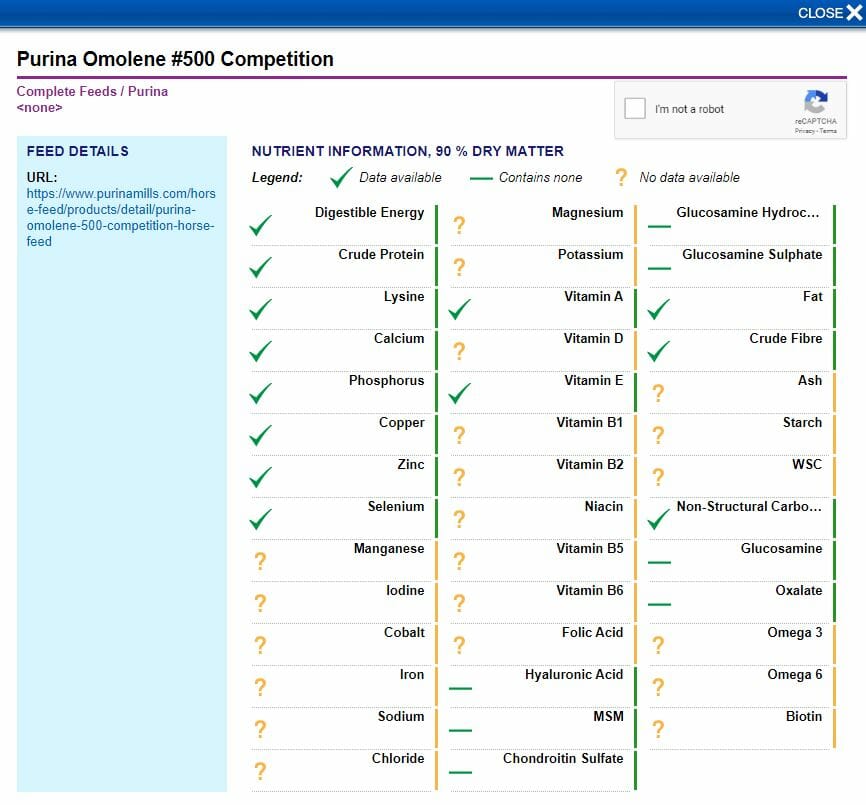
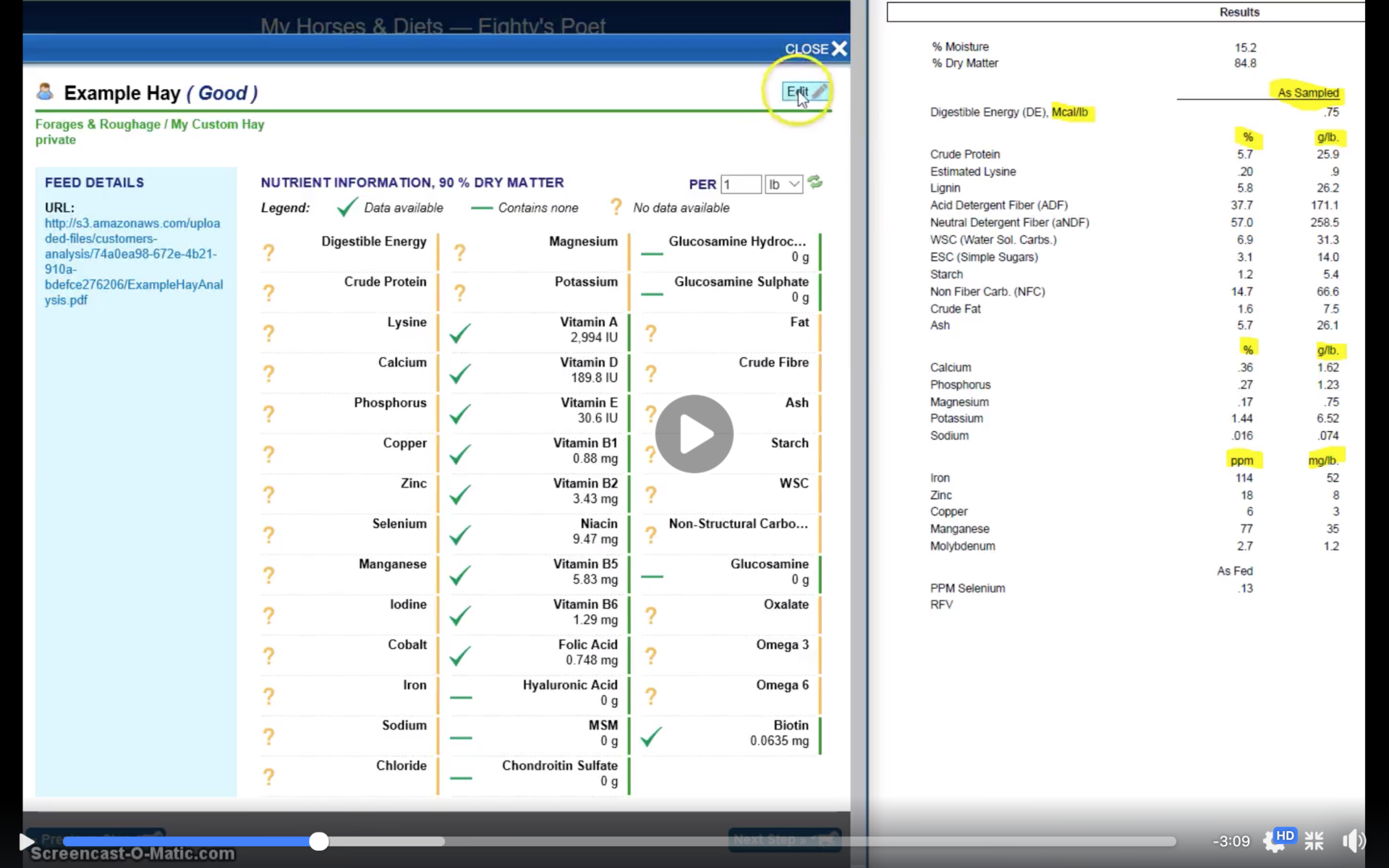
While traditionally, knowing if what you were feeding was meeting your horse’s requirements was quite hard, the FeedXL Horse Nutrition Calculator makes it very easy to see if what you are feeding is the right thing for your horse. FeedXL will also help you manage your horse’s bodyweight. Click here to learn more and get started now!
For horses susceptible to laminitis (including overweight horses, horses with Cushing’s Disease or those who have previously had laminitis) winter can be a danger period.
If your horse is at risk, you should:
Beware: Most feeds that claim to be grain free are NOT. Read the label of all feeds carefully. If they contain anything like bran, pollard, millmix or millrun do not feed them to a horse prone to laminitis. By ticking the ‘Laminitis’ box on your horse’s details page in FeedXL, all of the unsuitable feeds that contain grains or grain by-products will be coloured red and you will be warned not to use them.
To learn more about feeds labelled ‘grain free’ that are actually not, click here to read our post ‘Grain Free Horse Feed: What Does It Actually Mean?‘
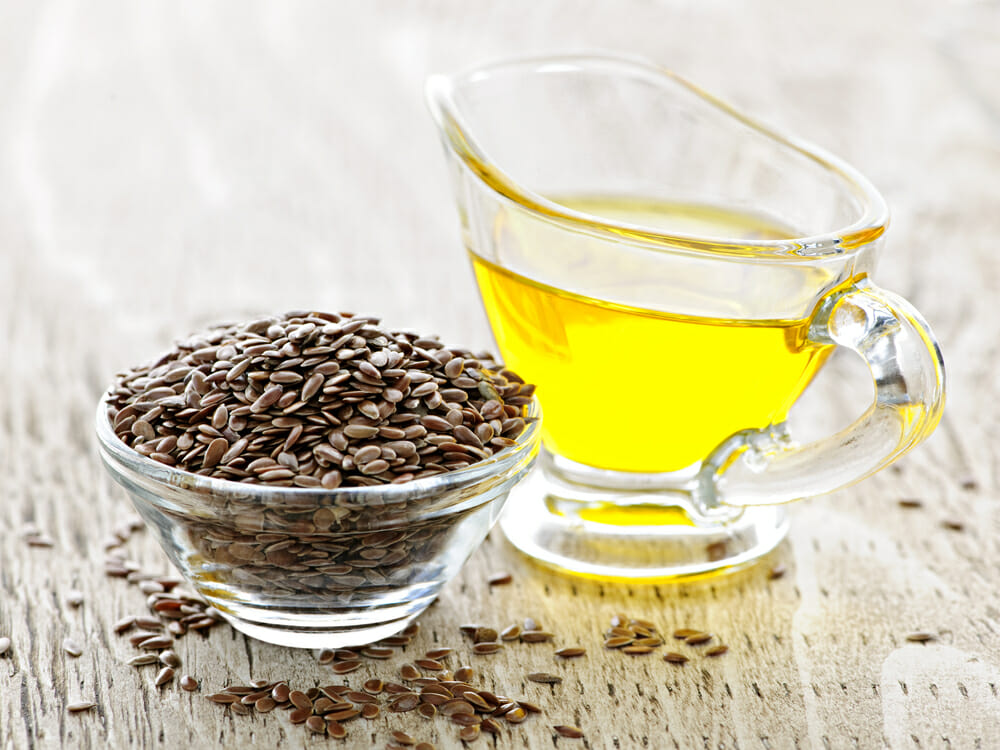
A horse’s coat can become dry and dull during winter. To help keep the coat and skin healthy, add 1/4 cup of oil to the diet.
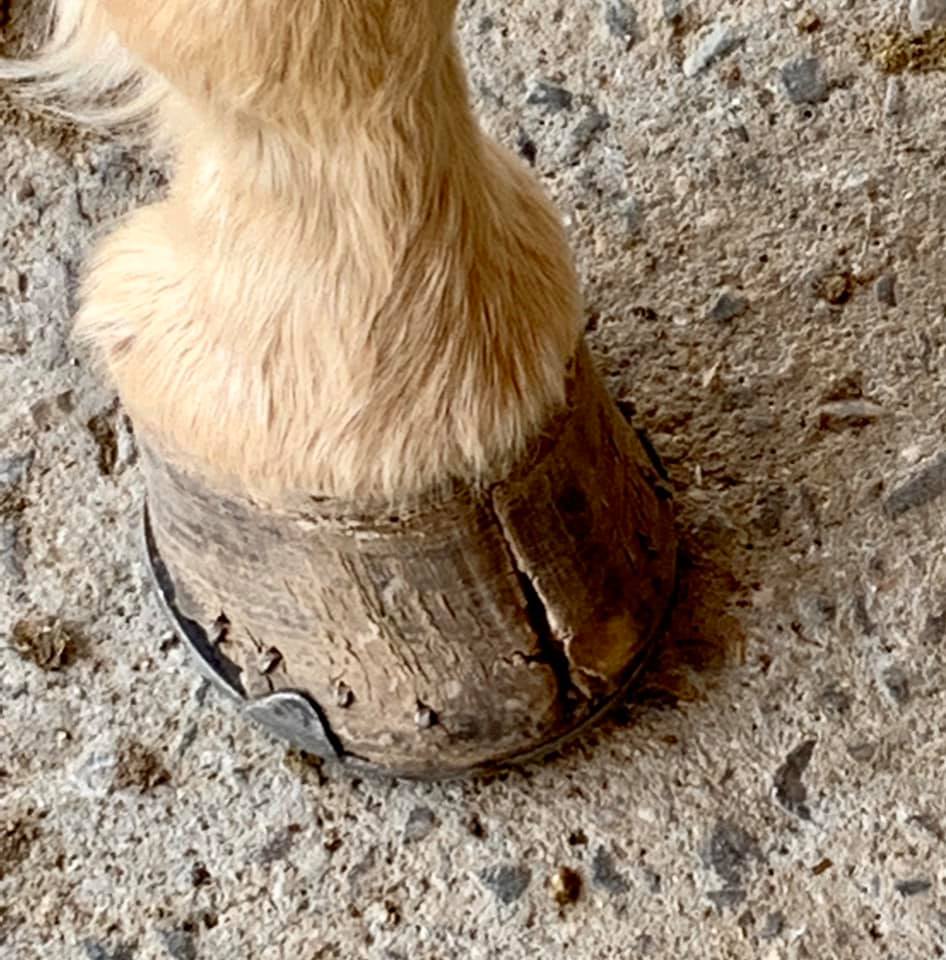
Of course, all the normal rules of good horse husbandry apply in winter. Feeding a well-balanced diet in conjunction with good dental, hoof and veterinary care as well as a strict worming regime will help keep your horses in top shape over winter.
Join FeedXL today and take control of your horse’s nutrition
Get EVEN MORE practical and personalised feeding guidance when you sign up to FEEDXL.
SIGNUP TO FEEDXL NOW
We would love to welcome you to our FeedXL Horse Nutrition Facebook Group. Ask questions and have them answered by PhD and Masters qualified equine nutritionists and spend time with like-minded horse owners. It’s free!
Click here to join the FeedXL Horse Nutrition Facebook Group