Bighead is a disease resulting from long term calcium deficiency in the diet. Bighead has severe effects on your horse, making movement painful and lameness a constant issue. Luckily though, it is a condition that is easily avoided by carefully balancing your horse’s diet.
Bighead, correctly known as nutritional secondary hyperparathyroidism, is a severe calcium deficiency resulting from a horse not absorbing enough calcium from its diet. During these periods of calcium shortage, horses will mobilise calcium (and phosphorus) from their bones to keep blood calcium levels ‘normal’.
When this state of calcium deficiency occurs for prolonged periods of time horses mobilise so much calcium and phosphorus from their bones that their bones become fibrous and weak.
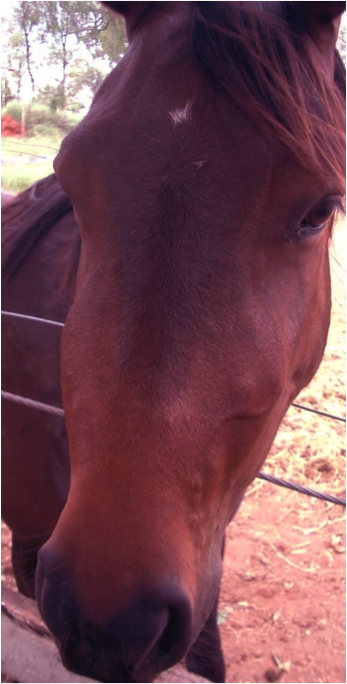
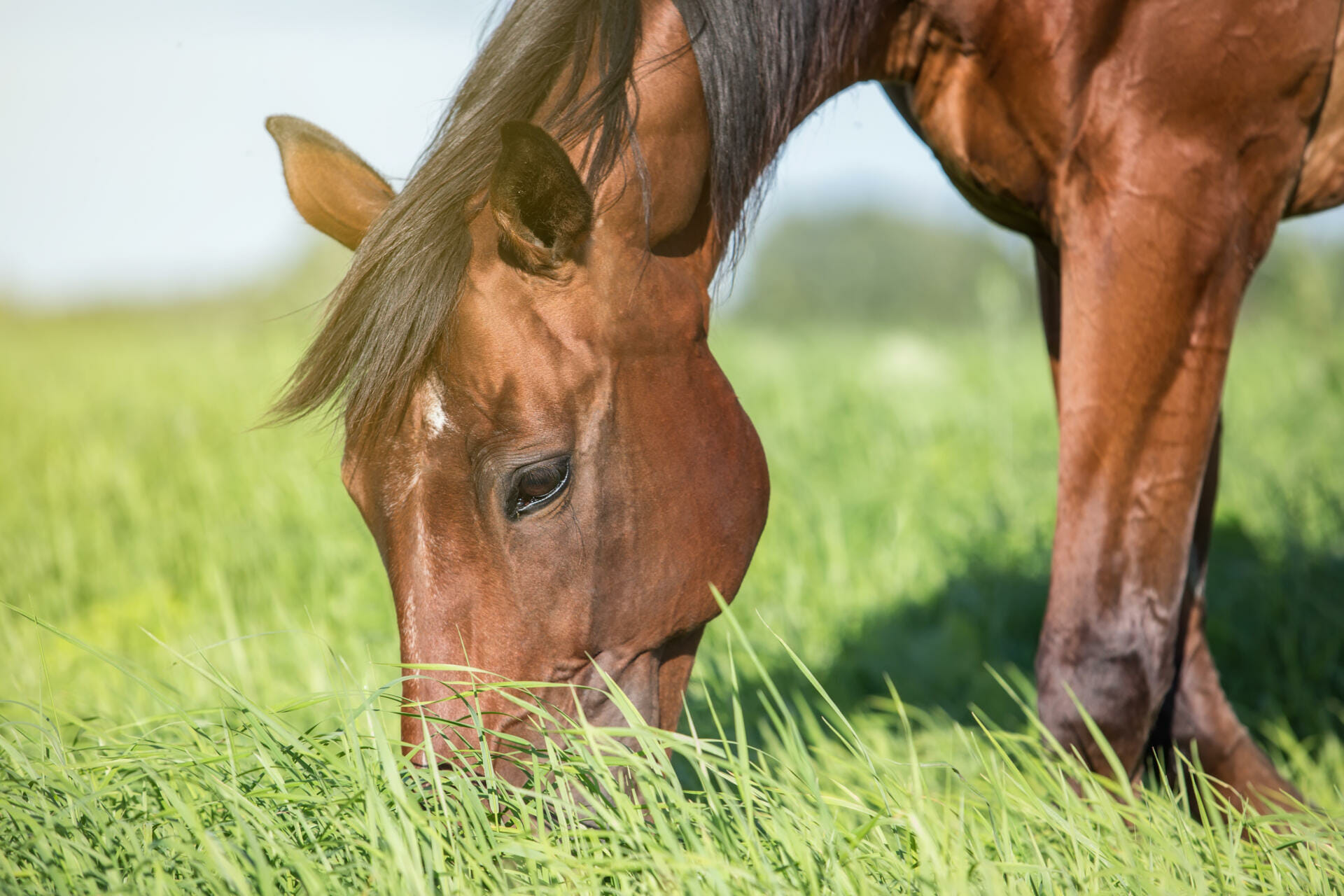
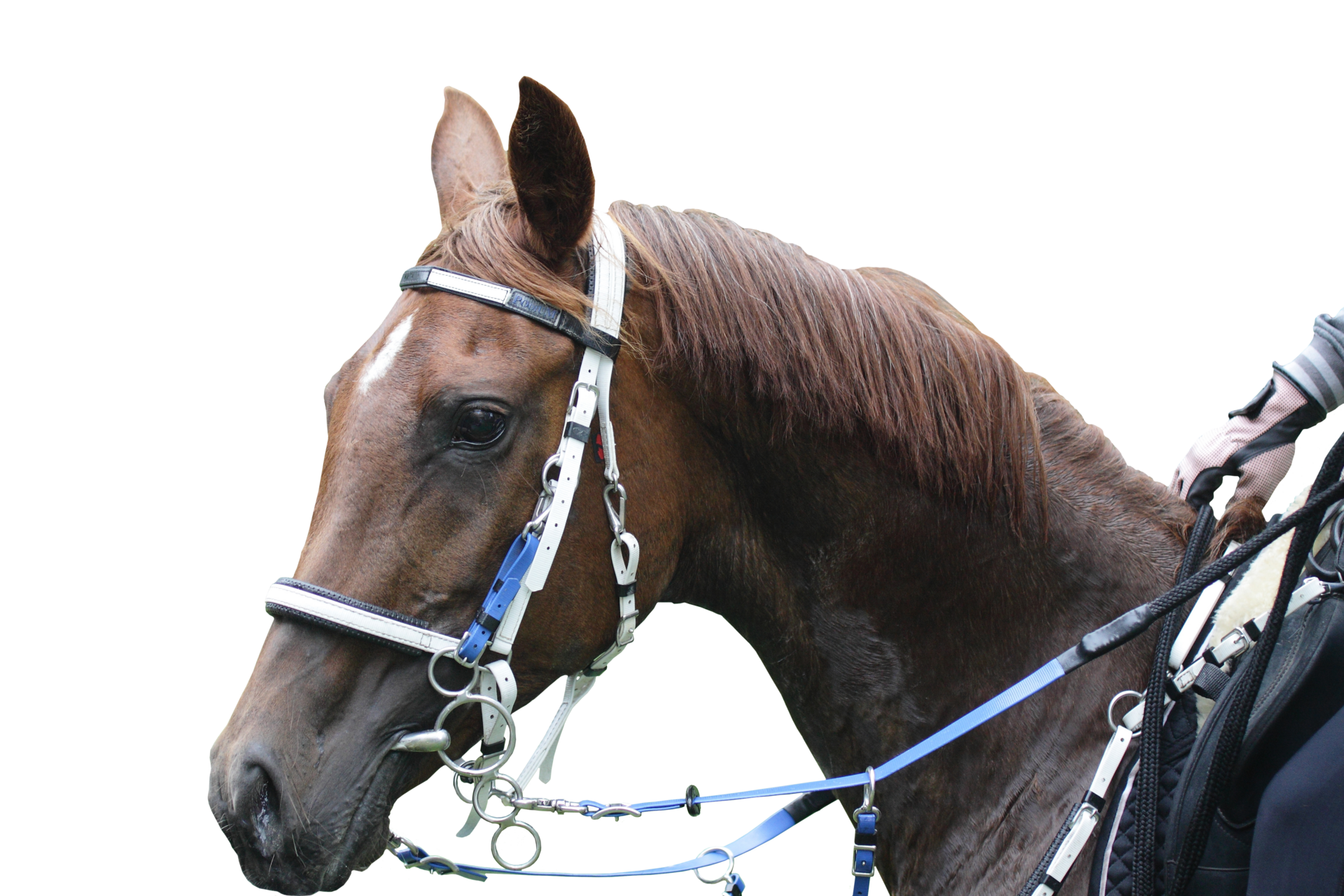
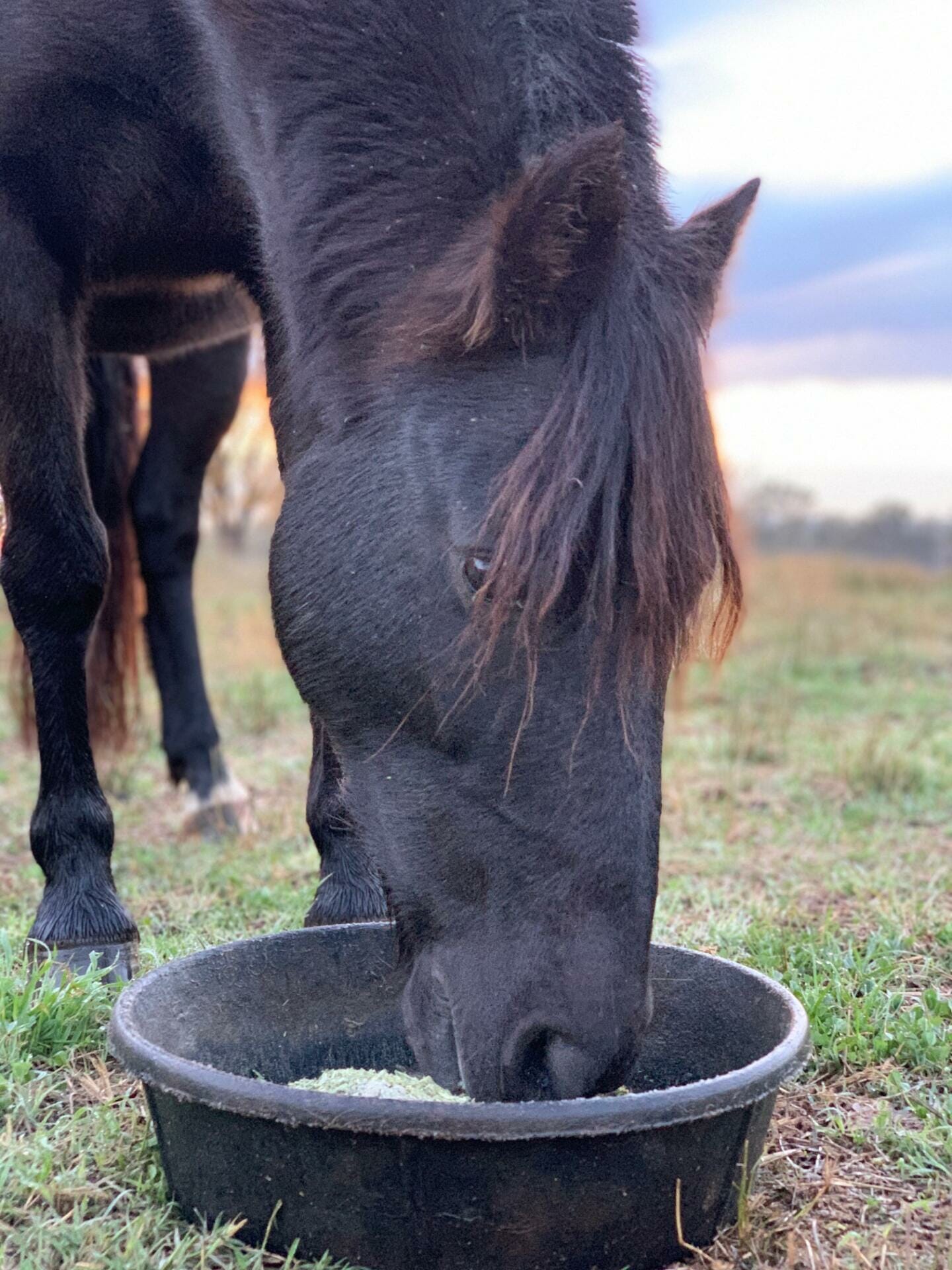
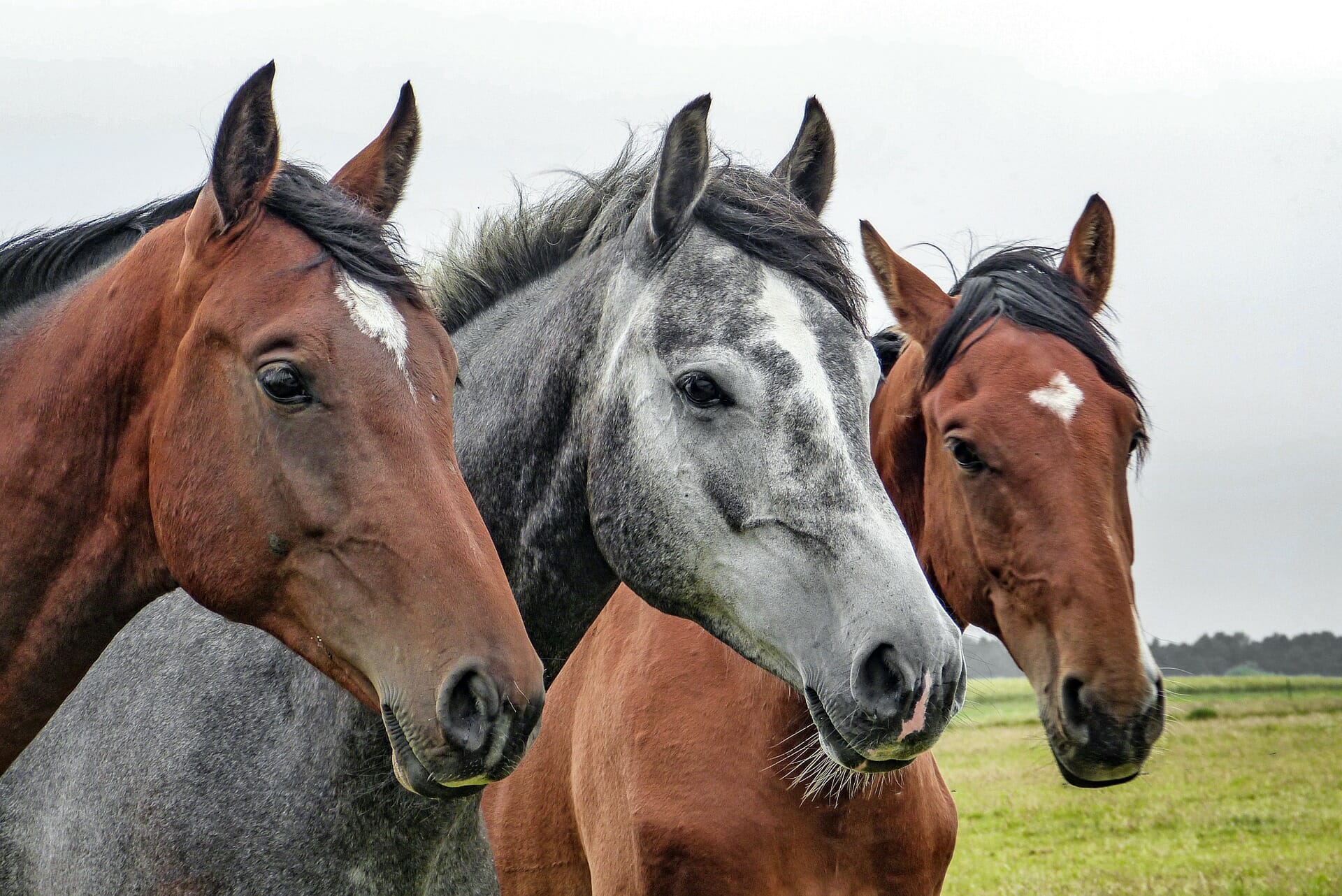
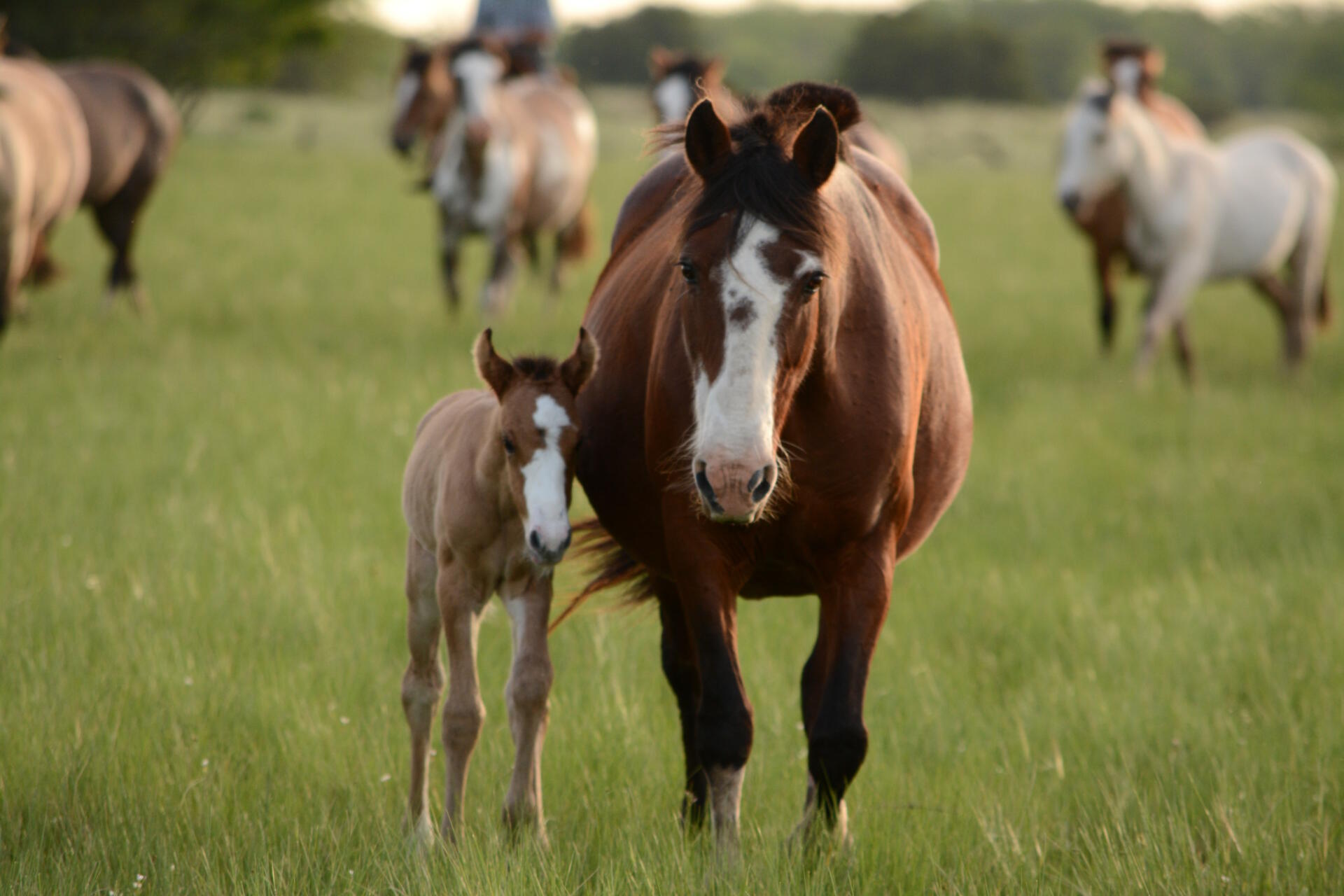
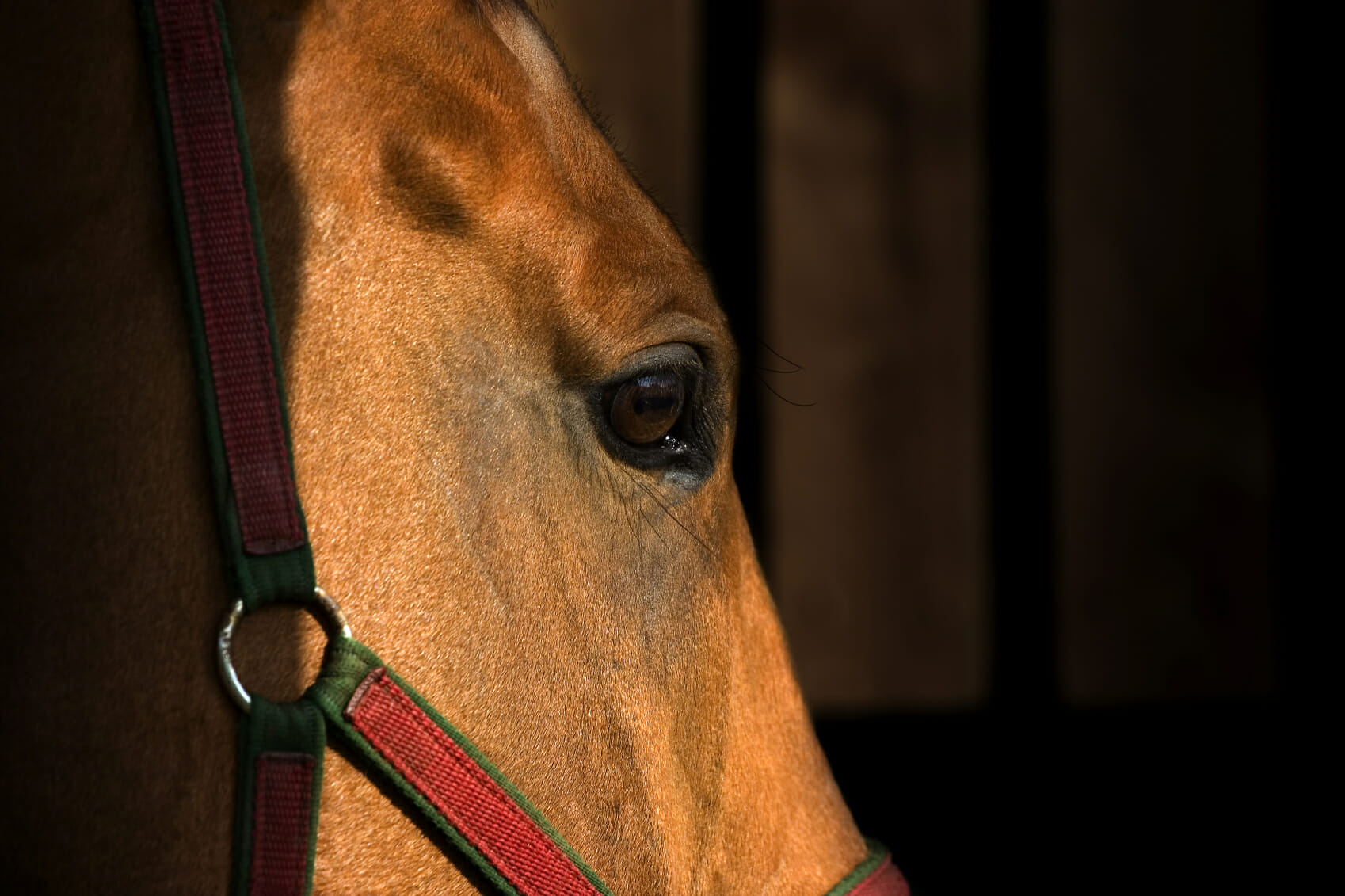
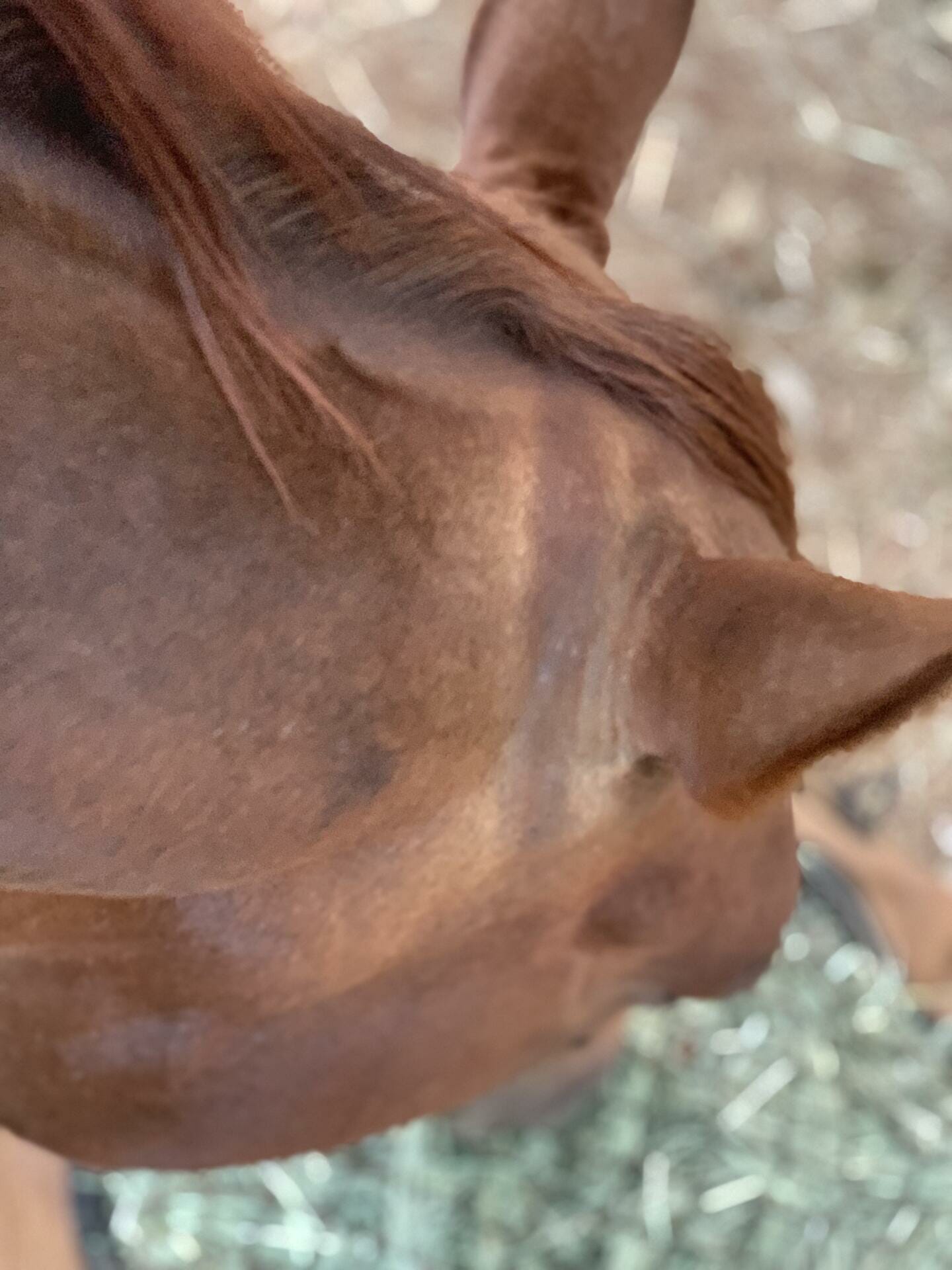
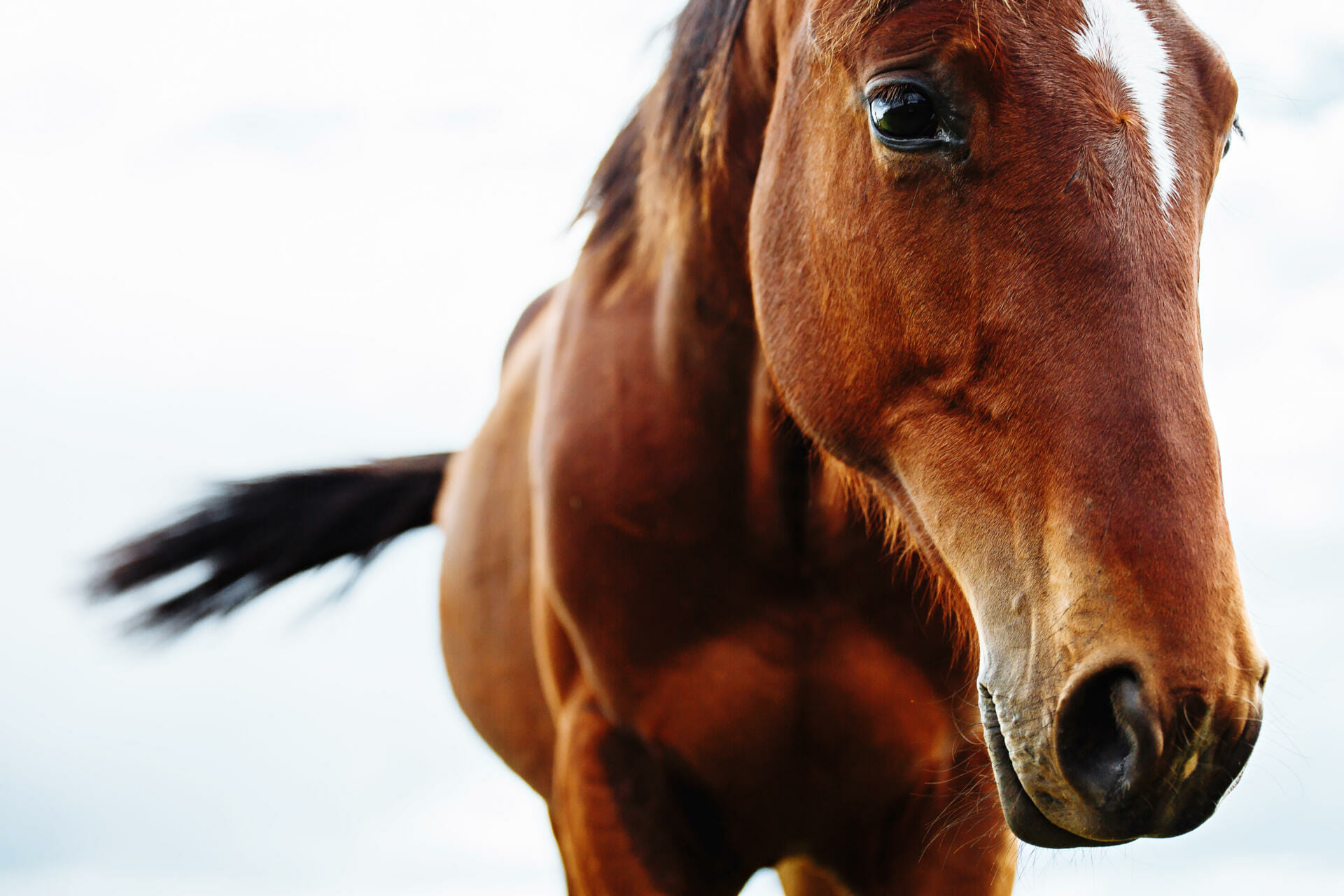
As its name suggests, Bighead results in the horse’s facial bones becoming fibrous and swelling to give the horse a ‘bighead’ appearance as shown in this photo. This facial swelling appears most commonly in young horses whose facial bones haven’t fully formed and hardened, though it is possible for it to occur in mature horses as well.
Because nutritional secondary hyperparathyroidism affects a horse’s entire skeleton it will also result in shifting lameness and generally sore bones and joints. In severe cases horses will be reluctant to move or may move with a ‘hopping rabbit’ gait.
Affected horses also tend to lose weight even though they have access to ample feed. Because of the swelling that occurs in the bones, the upper airways can become obstructed resulting in noisy breathing during exercise and it is also possible for teeth to fall out.
Bighead is literally a severe and long term calcium deficiency. There are two major causes of bighead in horses. These are:
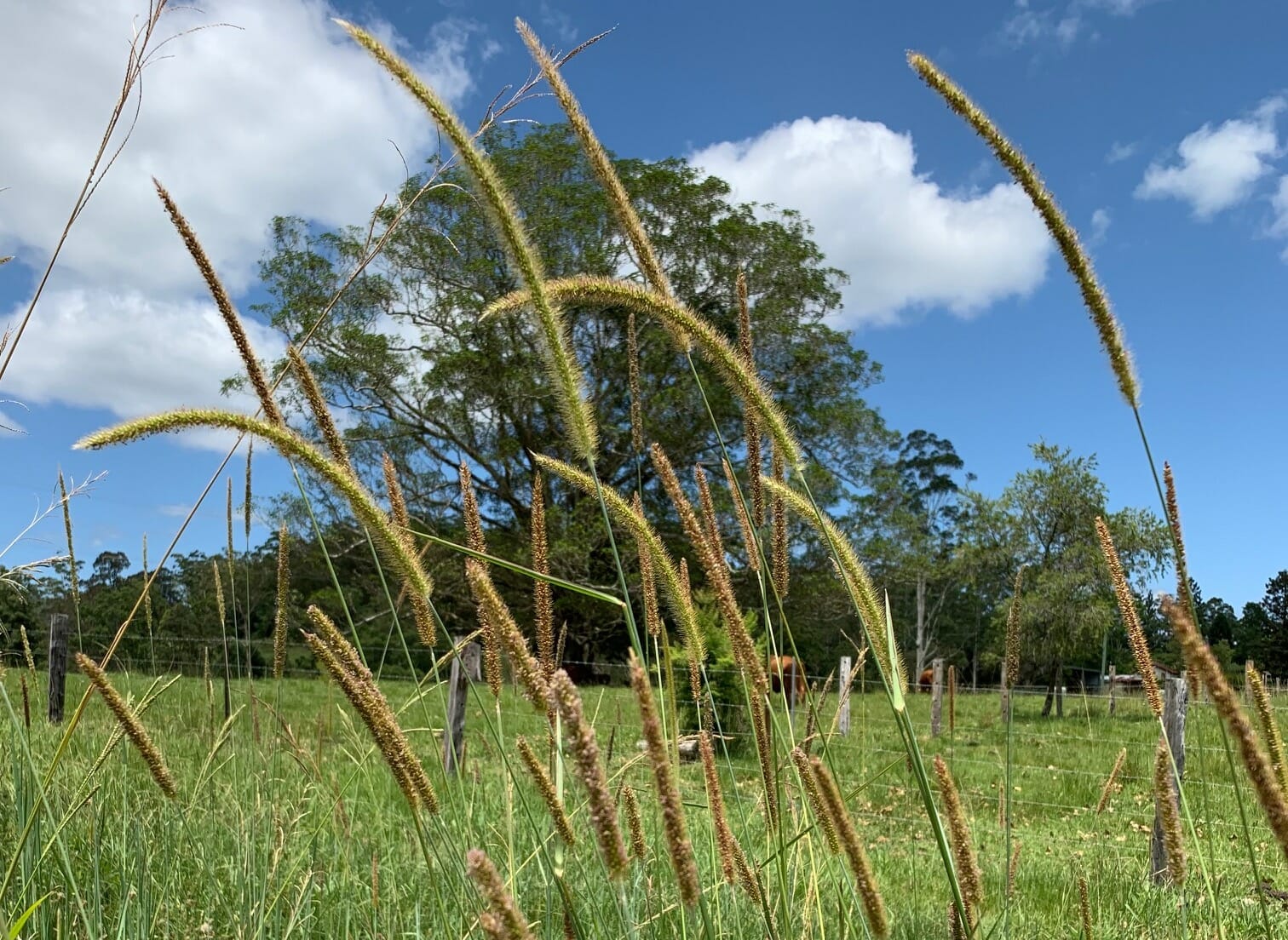
To learn more about these kinds of grasses, read our blog: Identifying Pastures Part 2: Bighead Grasses
Fortunately, bighead is a disease that is easily avoided given the correct nutrition. The strategy to avoid bighead depends on its cause.
If the disease is occurring because of an incorrect calcium to phosphorus ratio, adding additional calcium to the diet to balance the calcium to phosphorus ratio will make sure you avoid this problem. Calcium can be added by feeding calcium supplements like limestone or a branded calcium supplement or calcium intake can be increased by adding high calcium forages like alfalfa/lucerne and clover to the diet. Dolomite is best avoided as a calcium supplement as its calcium bioavailability (the amount of calcium the horse can actually absorb) is low.
The calcium to phosphorus ratio must be kept above 1 part calcium to 1 part phosphorus for all horses. For young horses, the ideal calcium to phosphorus ratio range is 1:1 to 3:1. For mature horses the ideal range is 1:1 to 6:1.
If high oxalate grasses pose a threat to your horse, you must feed enough calcium in the diet to keep the calcium to oxalate ratio above 0.5 parts calcium to 1 part oxalate. The biggest difference between bighead caused by high oxalate pastures and bighead caused by an incorrect calcium to phosphorus ratio is that when adding calcium to the diet of horses on high oxalate pastures, phosphorus must also be added.
To correct the calcium to oxalate ratio of a horse’s diet, you should use a 2 parts dicalcium phosphate to 1 part limestone (calcium carbonate) mixture, adding enough of this to the diet to keep the calcium to oxalate ratio at or above 0.5 parts calcium to 1 part oxalate. Of course you must also make sure the calcium to phosphorus ratio remains balanced.
Are you groaning by now? So much math…
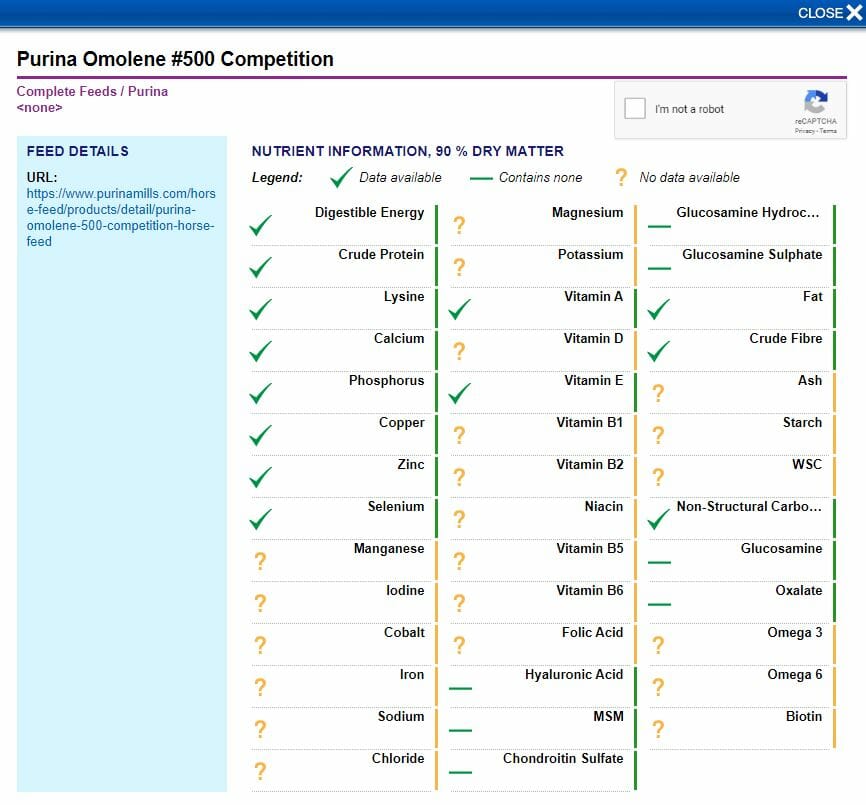
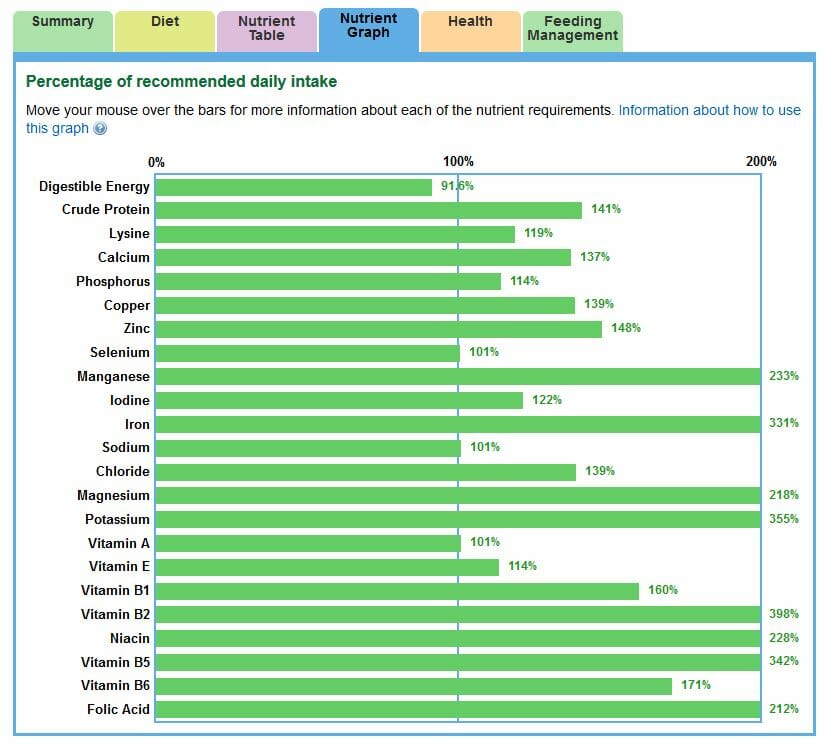
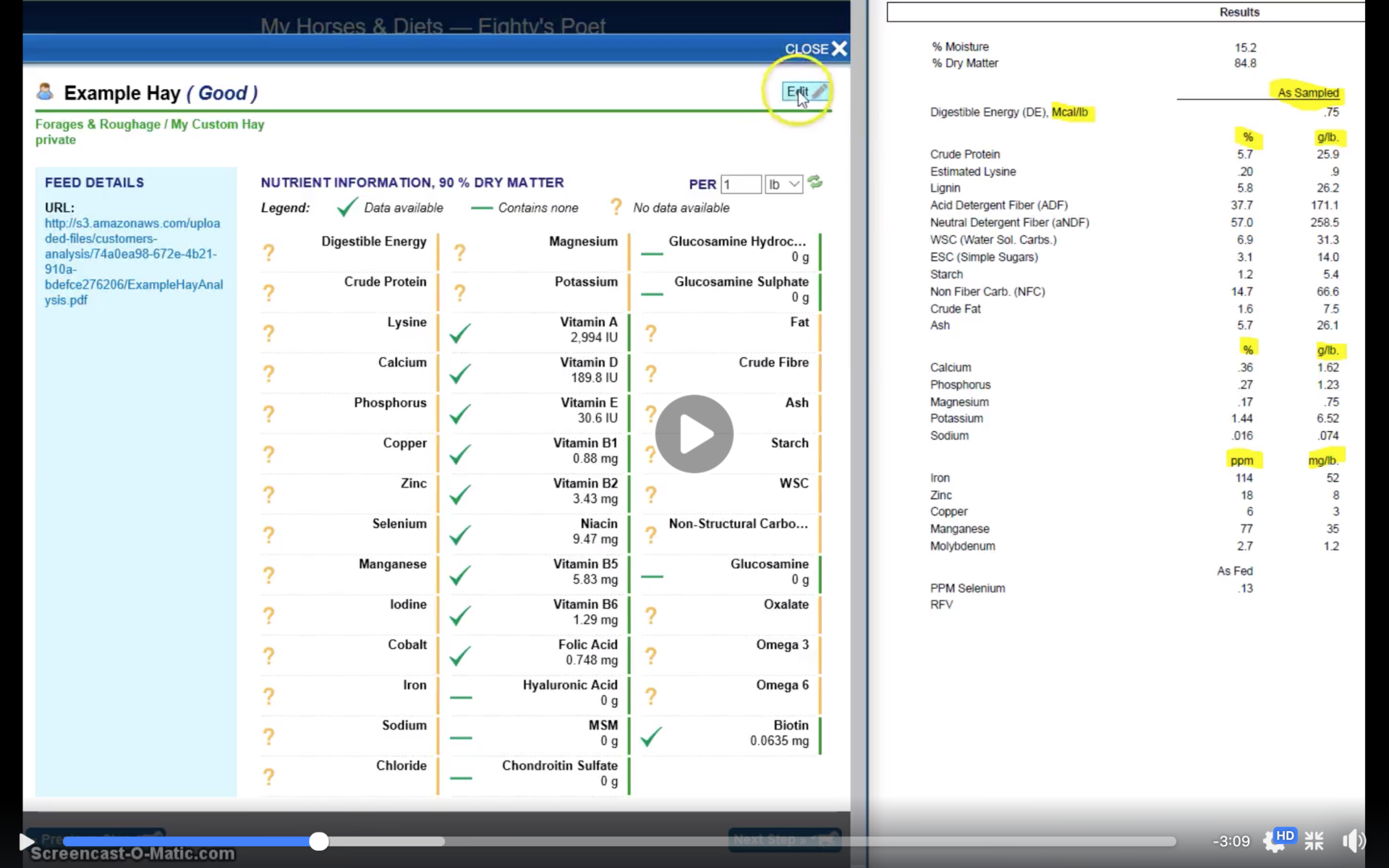
Doing all the maths to work out correct calcium to phosphorus ratios and calcium to oxalate ratios can be tricky, but luckily FeedXL makes it very easy for you. The last section at the bottom of the Nutrient Table in the results section of the FeedXL report shows a number of ratios. The first two are the calcium to phosphorus ratio (shown for all diets) and the calcium to oxalate ratio which is shown only when a horse is grazing a high oxalate pasture or eating high oxalate hay.
FeedXL will warn you when your horse’s diet has an incorrect calcium to phosphorus ratio or if your horse’s diet has a calcium to oxalate ratio that is too low so that your horse is kept out of bighead harm’s way.
Join FeedXL today and take control of your horse’s nutrition
Get EVEN MORE practical and personalised feeding guidance when you sign up to FEEDXL.
SIGNUP TO FEEDXL NOW
We would love to welcome you to our FeedXL Horse Nutrition Facebook Group. Ask questions and have them answered by PhD and Masters qualified equine nutritionists and spend time with like-minded horse owners. It’s free!
Click here to join the FeedXL Horse Nutrition Facebook Group